|
Hey,
Your daily briefing is ready. You can finally take a break from the AI firehose.
Our algos spent the night splitting signal from noise and pulled the top news, models, papers, and repos.
Here’s the must-read:
|
|
Together with:
|

|
|

|
Today's Author
Lior Alexander. Founder of AlphaSignal and former ML Engineer.
Previously built ML systems at Iguazio, Guesty, Enphase, Mila.
|
|
Top News
|
|
|
|
Google releases Gemini Embedding 2, a multimodal embedding model mapping text, images, video, audio, and PDFs together
|
|
21,753 Likes
|
|
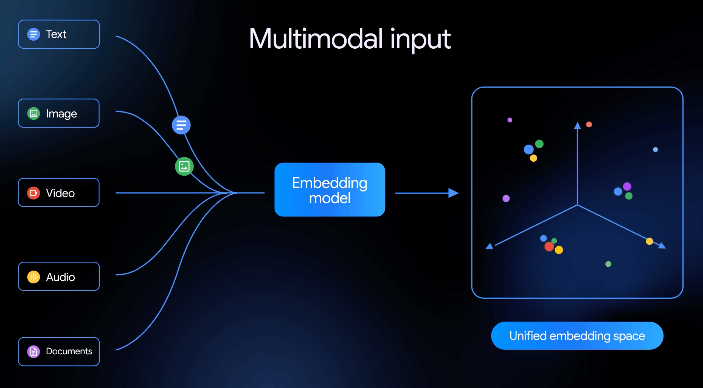
Embeddings convert data into numerical vectors so systems can compare meaning instead of exact words or pixels. This model places text, images, video, audio, and documents into the same semantic space, which allows systems to search and retrieve information across different media types.
Key features
The model uses techniques designed to control embedding size and cost.
-
Uses Representation Learning, which stores information across nested vector dimensions.
-
Default embeddings use 3,072 dimensions for full semantic representation.
-
You can truncate vectors while retaining most encoded meaning.
-
Supports interleaved multimodal input, such as sending image and text in one request.
What the model supports
The model accepts multiple data types and converts them into comparable vector representations.
-
Processes text inputs up to 8,192 tokens and captures semantic relationships between sentences and queries.
-
Accepts up to six images per request, supporting common PNG and JPEG formats.
-
Embeds video clips up to 120 seconds using MP4 and MOV file formats.
-
Converts raw audio directly into embeddings, without speech-to-text preprocessing.
-
Processes PDF documents up to six pages, embedding document content as vectors.
|
|
|
|
Presented by Lambda
|
|
Open-weight arrivals: Lambda's benchmark results
|
|
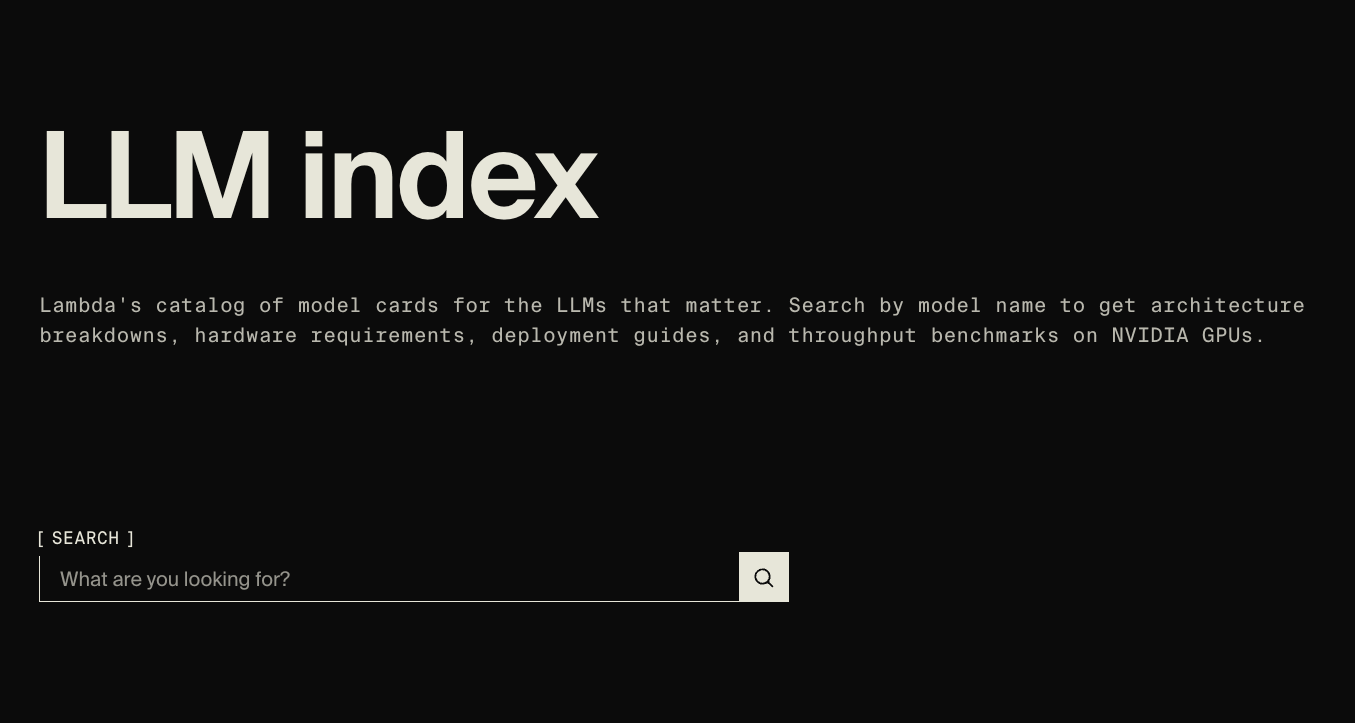
Lambda model cards are clean, single-page reports of the metrics you actually track in production. Each card includes:
-
Model overview and specifications to help you evaluate fit
-
Sustained tok/s and P99 latency on NVIDIA A100, NVIDIA H100, and NVIDIA B200 GPUs, measured with code-assistant completion rates
-
Side-by-side comparisons for vLLM and SGLang
-
Exact launch commands and benchmark scripts so you can reproduce results on your own cluster
|
|
|
|
partner with us
|
|
Top News
|
|
|
|
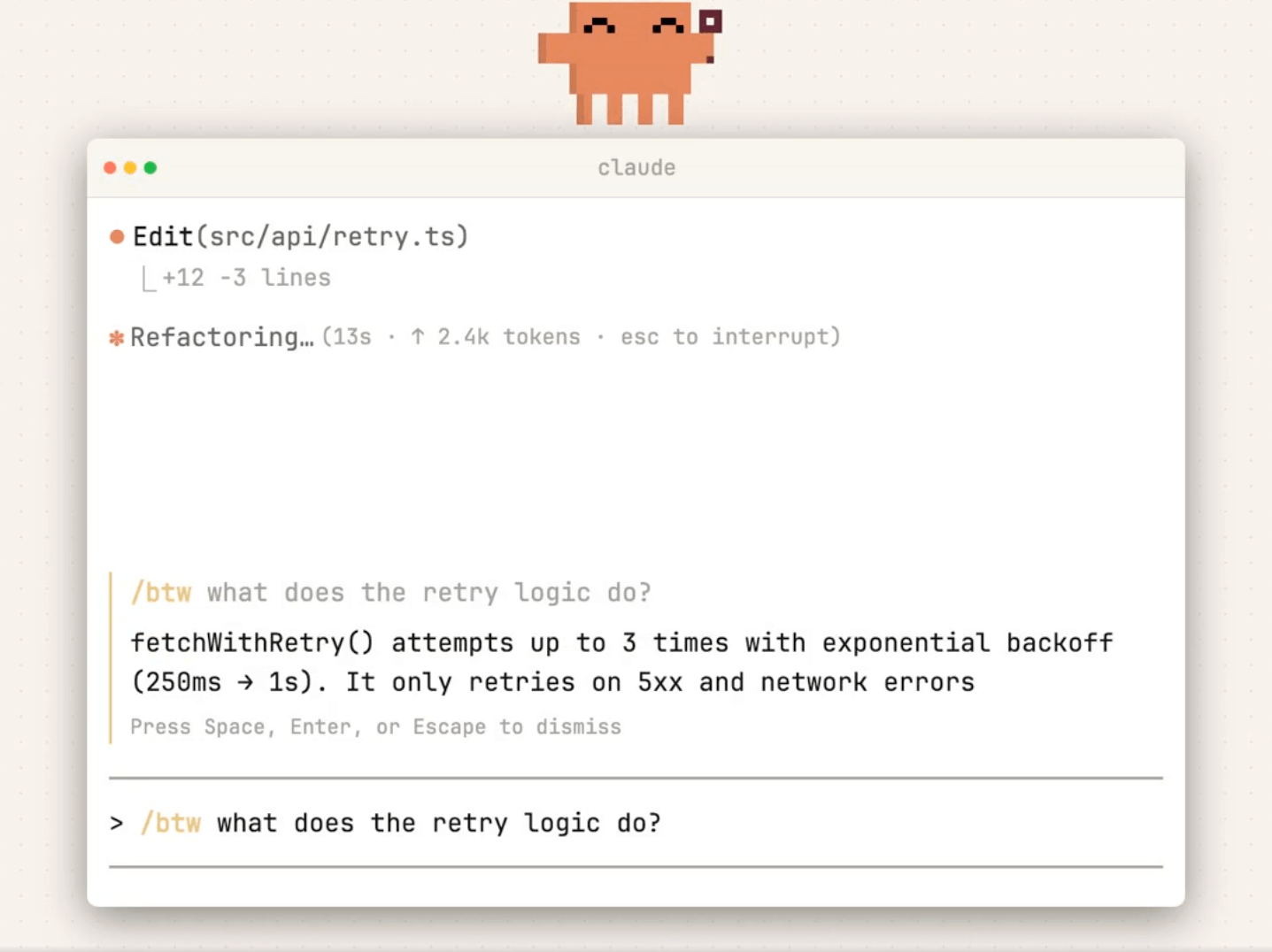
Anthropic introduces /btw, letting you ask contextual questions without interrupting Claude Code tasks
|
|
20,248 Likes
|
|
Embeddings convert data into numerical vectors so systems can compare meaning instead of exact words or pixels. This model places text, images, video, audio, and documents into the same semantic space, which allows systems to search and retrieve information across different media types.
Key features
The model uses techniques designed to control embedding size and cost.
-
Uses Representation Learning, which stores information across nested vector dimensions.
-
Default embeddings use 3,072 dimensions for full semantic representation.
-
You can truncate vectors while retaining most encoded meaning.
-
Supports interleaved multimodal input, such as sending image and text in one request.
What the model supports
The model accepts multiple data types and converts them into comparable vector representations.
-
Processes text inputs up to 8,192 tokens and captures semantic relationships between sentences and queries.
-
Accepts up to six images per request, supporting common PNG and JPEG formats.
-
Embeds video clips up to 120 seconds using MP4 and MOV file formats.
-
Converts raw audio directly into embeddings, without speech-to-text preprocessing.
-
Processes PDF documents up to six pages, embedding document content as vectors.
|
|
|
|
Top News
|
|
|
|
Hume AI presents TADA, a open-source speech model that that reduces hallucinations and generates speech 5× faster
|
|
2,328 Likes
|
|
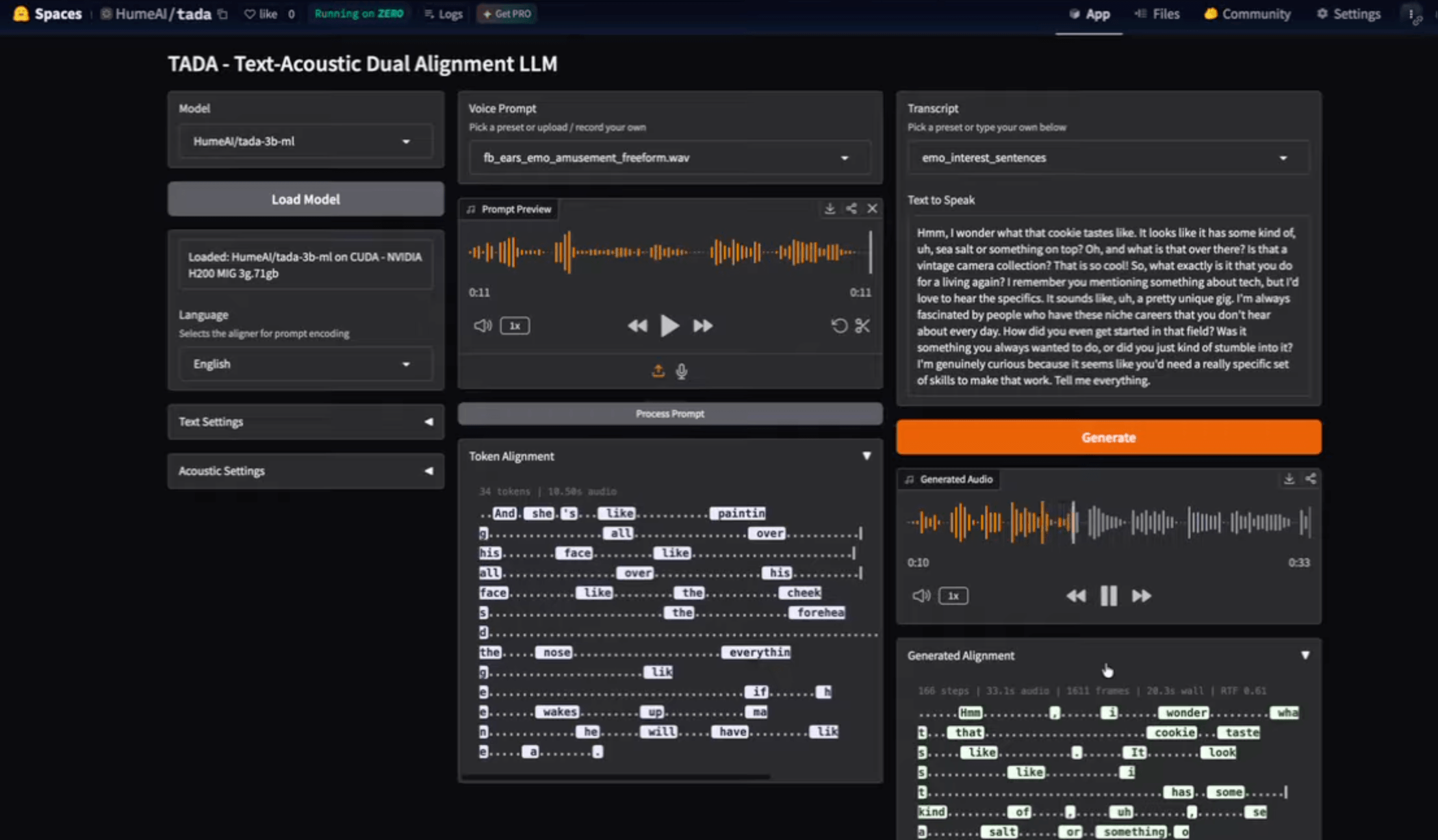
Hume AI released TADA (Text-Audio Dual Alignment), an open-source speech-language model that generates text and speech in one synchronized stream.
The design removes common issues in LLM-based text-to-speech systems such as skipped words, hallucinated content, and slow inference.
TADA aligns each text token with a single acoustic representation, so speech and text progress step-by-step through the model.
Key Features
-
Text–audio synchronization: Generates text tokens and acoustic features together in a single unified stream.
-
Zero hallucinations in tests: Produced no content errors across more than 1,000 LibriTTSR samples.
-
Faster generation: Real-time factor of 0.09, roughly 5× faster than comparable LLM-based TTS systems.
-
Long audio support:2,048 tokens represent ~700 seconds of speech, compared to ~70 seconds in conventional systems.
-
Automatic transcript: Produces a text transcript alongside audio with no extra latency.
Availability
-
Open-source release on Hugging Face and GitHub.
-
Two pretrained models available: 1B (English) and 3B (multilingual).
-
Includes the full tokenizer, decoder, and training components.
-
Public demo available for testing the model.
|
|
|
At Alpha Signal, our mission is to build a sharp, engaged community focused on AI, machine learning, and cutting-edge language models, helping over 200,000 developers stay informed and ahead. We’re passionate about curating the best in AI, from top research and trending technical blogs to expert insights and tailored job opportunities. We keep you connected to the breakthroughs and discussions that matter, so you can stay in the loop without endless searching. We also work closely with partners who value the future of AI, including employers and advertisers who want to reach an audience as passionate about AI as we are.
Our partnerships are based on shared values of ethics, responsibility, and a commitment to building a better world through technology.Privacy is a priority at Alpha Signal. Our Privacy Policy clearly explains how we collect, store, and use your personal and non-personal information. By using our website, you accept these terms, which you can review on our website. This policy applies across all Alpha Signal pages, outlining your rights and how to contact us if you want to adjust the use of your information. We’re based in the United States. By using our site, you agree to be governed by U.S. laws.
|
|
|
Looking to promote your company, product, service, or event to 250,000+ AI developers?
|
|
|
|
|
