| Hey | Welcome to AlphaSignal, the most read source of news by AI engineers and researchers.
Every day, we identify and summarize the top 1% of news, papers, models, and repos, so you’re always up to date.
Here’s today’s roundup: |
|
|
|
Top News
| | Anthropic launches browser-based Claude Code, supporting parallel tasks, sandboxing, and automatic GitHub pull requests
|
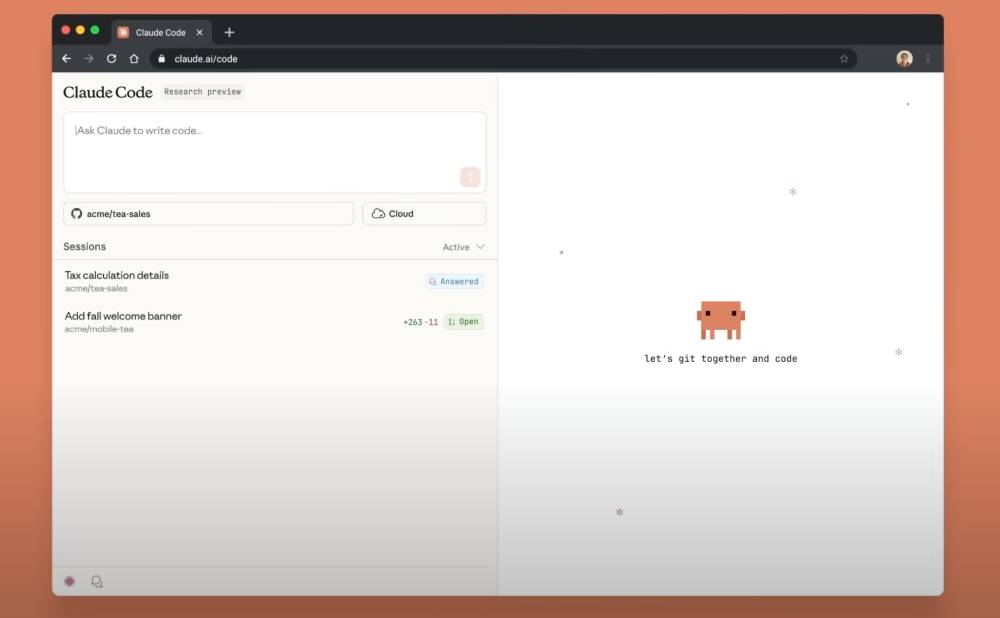
| Anthropic introduced a browser-based interface for delegating coding tasks. The feature, now in beta as a research preview, lets you assign multiple tasks to run on Anthropic-managed cloud infrastructure, with built-in sandboxing and GitHub integration.
Key Features Parallel sessions: Run multiple coding tasks across different repos simultaneously. Automatic outputs: Get PRs with change summaries after each task. Interactive control: Track real-time progress and guide tasks mid-run. Cross-platform: Available on web and iOS for cloud-based coding. Secure sandboxing: Isolated execution with restricted network/filesystem access. How It Works
Connect your GitHub repositories from the Claude Code web interface. Describe coding tasks directly in the browser. Each task runs in a sandbox with configurable network rules. Claude Code applies test-driven development for backend changes. Results are returned as pull requests with summaries of modifications. Possible Use Cases
Bug fixes and routine tasks: Handle backlogs and well-defined issues. Repository Q&A: Answer questions about project structure and mapping. Backend changes: Use test-driven workflows to validate modifications. Parallel development: Assign multiple subtasks across repositories. Access & Availability
Availability: Research preview for Pro and Max users. Access point: Visit claude.com/code to connect a repository. Mobile: Early preview available on the Claude iOS app. Limits: Sessions share usage quotas with existing Claude Code workflows. | |
| Try now
|
|
|
|
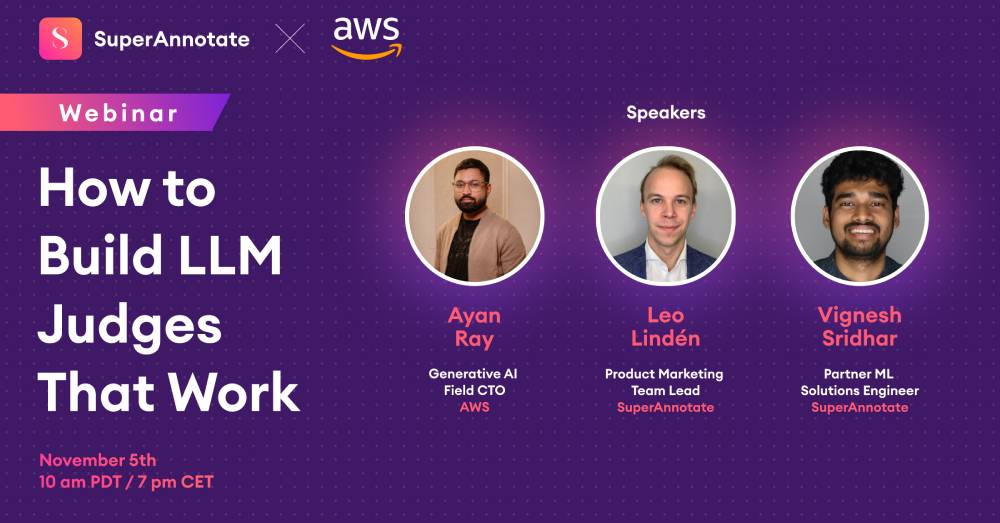
| Build LLM Judge Systems That Scale: Practical Insights from SuperAnnotate & AWS |
SuperAnnotate and AWS host a webinar showing exact steps for robust LLM judge systems. See how teams use AWS Bedrock models and human-in-the-loop annotation to refine accuracy.
Learn to balance speed, cost, and quality in evaluation. View workflows for scalable LLM judge deployment. Hear from speakers with direct experience in model evaluation. Get detailed examples using AWS Bedrock and SuperAnnotate. Access practical calibration tips and best practices. Increase the accuracy of AI evaluations while scaling efficiently. |
| Register for the webinar
| partner with us |
|
|
|
Signals
| |
|
3,204 Likes | |
|
1,482 Likes | |
|
1,114 Likes | |
|
2,689 Likes | |
|
|
1,845 Likes | | |
|
|
|
|
Tutorials
| |
|
676 Likes | The guide explains how to use ChatGPT, Claude, and Gemini effectively. It advises prioritizing workflow, context, and interaction style over model choice, emphasizing reliability, iteration, and oversight when applying AI in practice. |
|
|
528 Likes | This blog post describes how GitHub uses Markdown as a source-specification for apps: write the logic in main.md, use a prompt (compile.prompt.md) and let AI like GitHub Copilot generate executable Go code. |
|
|
|
2,529 Likes | The blog frames Skills as a shift in agent design. Instead of relying on constant tool calls, Claude can selectively extend itself with well-scoped, reusable capabilities for complex tasks.
| | |
|
|
|
|
Deep Dive
| |
A Simple Look at How Text Diffusion Actually Works |
5,283 Likes |
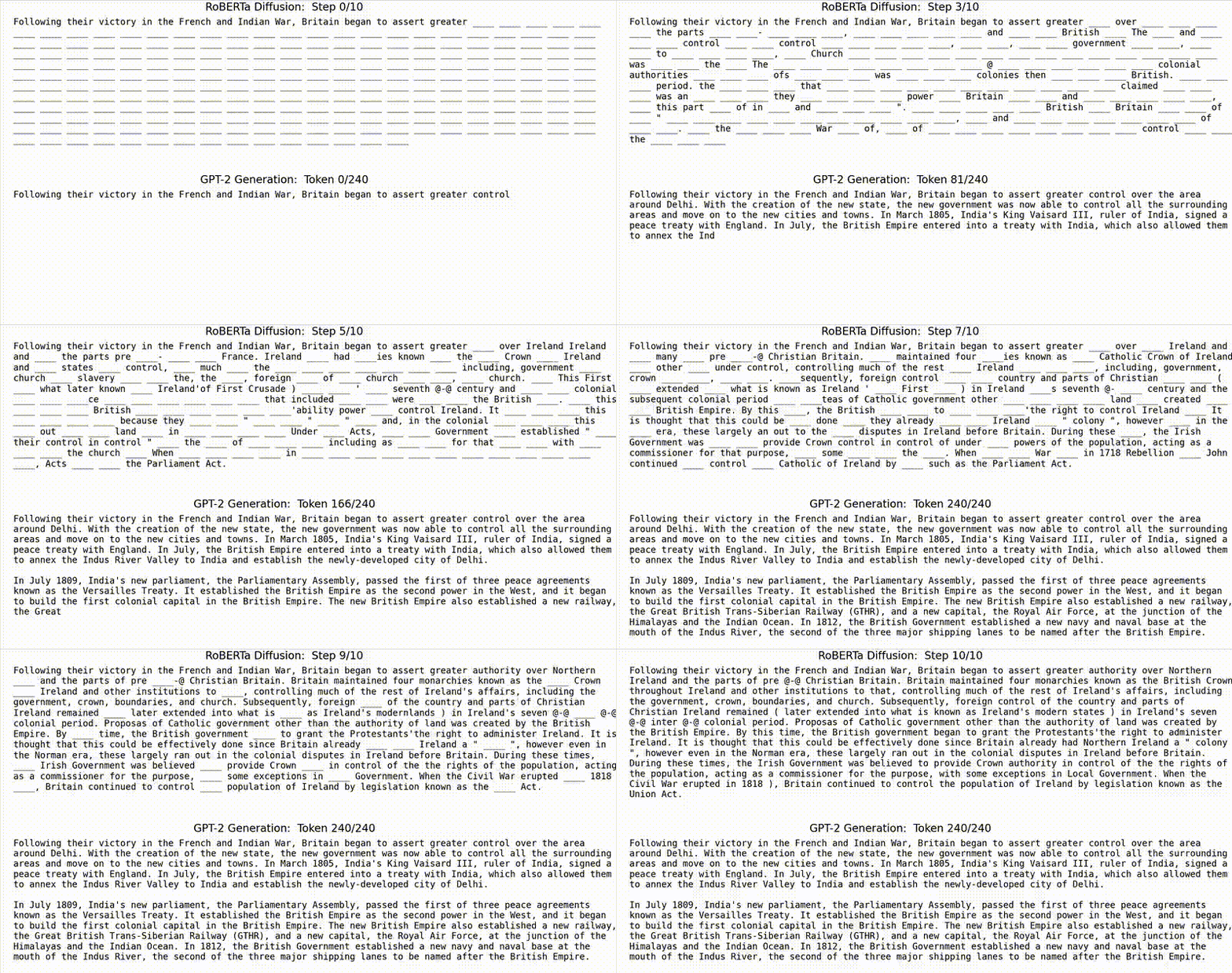
| Text diffusion models work by re-sampling all tokens at once. Instead of adding one token at a time, they refresh the whole text repeatedly. Each step removes noise and predicts cleaner tokens.
They use bi-directional attention, so every token sees the entire context. This makes them powerful but slower to train. The process looks like image diffusion but uses discrete tokens.
Think of it as a full-text rewrite loop instead of token-by-token writing. It connects ideas from diffusion, flow matching, and transformers. Many researchers now explore this to move beyond standard autoregressive models.
If you want to see how this works in code, read the post. It breaks down text diffusion step by step and shows how simple the core idea really is. |
| Read now
|
|
|
|
At Alpha Signal, our mission is to build a sharp, engaged community focused on AI, machine learning, and cutting-edge language models, helping over 200,000 developers stay informed and ahead. We’re passionate about curating the best in AI, from top research and trending technical blogs to expert insights and tailored job opportunities. We keep you connected to the breakthroughs and discussions that matter, so you can stay in the loop without endless searching. We also work closely with partners who value the future of AI, including employers and advertisers who want to reach an audience as passionate about AI as we are.
Our partnerships are based on shared values of ethics, responsibility, and a commitment to building a better world through technology.Privacy is a priority at Alpha Signal. Our Privacy Policy clearly explains how we collect, store, and use your personal and non-personal information. By using our website, you accept these terms, which you can review on our website. This policy applies across all Alpha Signal pages, outlining your rights and how to contact us if you want to adjust the use of your information. We’re based in the United States. By using our site, you agree to be governed by U.S. laws. |
|
|
|
Looking to promote your company, product, service, or event to 250,000+ AI developers?
|
| Work with us
|
|
|
|
|
