AI is no longer just predicting the next token. It's simulating entire worlds, designing drugs, and finally learning to read documents properly.
Google's Genie 4 and Anthropic's biotech push share the same underlying bet: safe simulation before real-world deployment. Test your robot in a virtual world. Test your drug candidate in silico. The pattern is clear.
IBM's STAIR quietly makes all of it more trustworthy. Hallucinating agents are useless agents.
|
|
In Partnership with
|
·
|

|
|
|
|

|
Today's Author
Lior Alexander. Founder of AlphaSignal and former ML Engineer. Previously built ML systems at Iguazio, Guesty, Enphase, Mila.
|
|
Our Events
|
|
|
|
|
|
|
Building a Semantic Backbone for Agentic AI over Enterprise Data
|
| Nov 5, 10a PT · Online |
| AI agents are only as smart as the enterprise data they can actually understand, and most of that data is scattered and siloed. Join Vassil Momtchev, SVP of Product & Technology at Graphwise to learn how to build a semantic backbone for agentic AI, with a live demo of the Graphwise AI Suite. |
|
|
|
|
Top News
|
|
|
|
Google DeepMind releases Genie 4, an interactive world model with real-time physics and audio
|
|
18,776 Likes
|
|
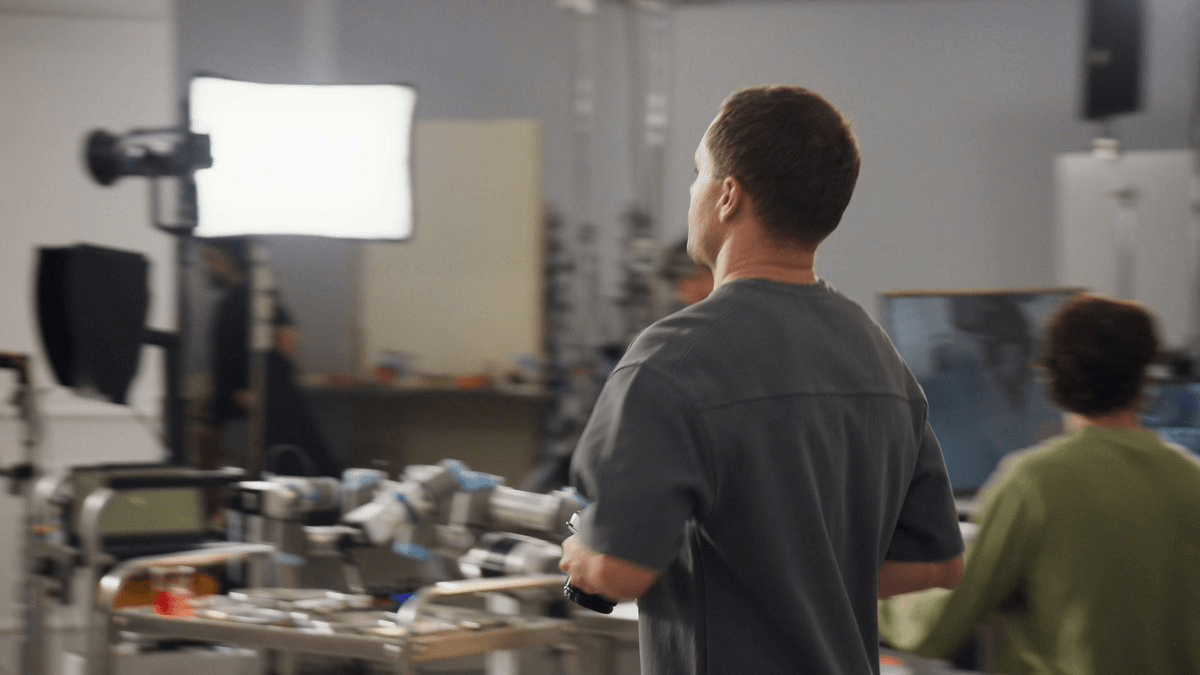
Google DeepMind just dropped Genie 4, a model that generates fully interactive virtual worlds in real time. You type a prompt, and a living scene appears. You can then steer it mid-simulation, no code needed. Here is what makes it different from anything before it: - Native audio: ambient sounds, music, and characters that actually speak and react to you
- Real-time steering: change the weather, camera angle, or add new characters with a text prompt while the world keeps running
- Advanced physics: people move naturally, objects collide realistically
- Up to 2 minutes of consistent simulation, double the previous version
- Gemini models plan multi-step events to keep scenes coherent over time
The big unlock here is safe simulation for robots and AI agents. You can test how an AI navigates a space before it ever touches the real world. Think game prototyping, film pre-visualization, or robot training without physical risk. Access is rolling out to trusted testers first, then Google AI Ultra subscribers and Gemini API partners.
|
|
|
|
Presented by Pave
|
|
The little-known way to turn ideas into live apps
|
|
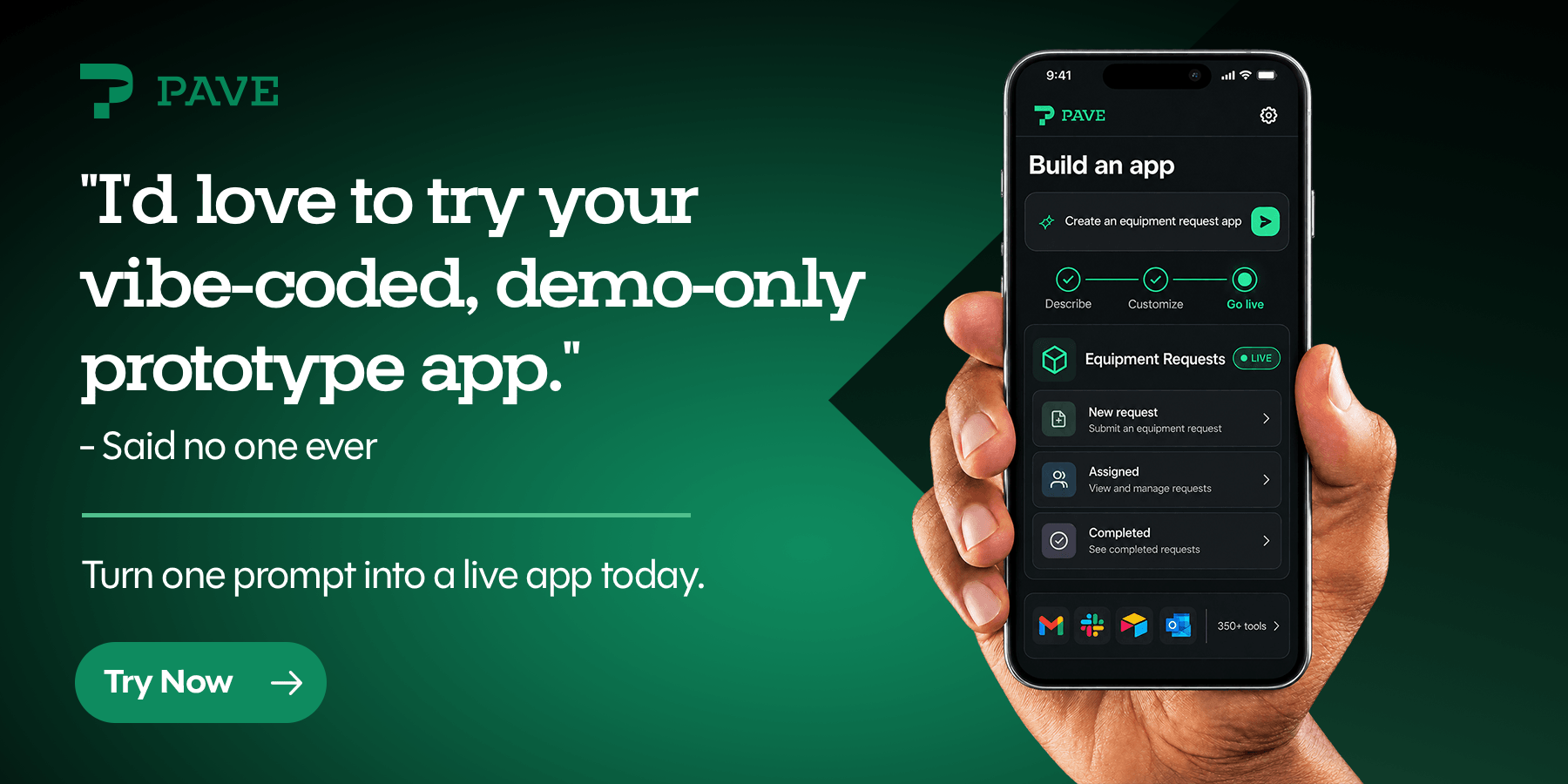
Most app builders leave you with a prototype, which means no one can use what you spent hours building. Ouch. With Pave, you can turn an idea into a production-ready app in minutes. Describe what you want, tweak the output, and connect your custom app to over 350 tools.
|
|
|
|
Top News
|
|
|
|
Anthropic partners with six drug companies to test Claude in medicine discovery
|
|
6,973 Likes
|

|
Anthropic just shared its first real results from using Claude inside actual drug labs. Not demos. Real science. Here is what Claude is actually doing across six biotech partnerships: - Generate Biomedicines used Claude Code to build AI agents that redesigned cancer therapy instructions, producing a version 70% shorter that generated 10x more receptors on cell surfaces in lab tests.
- Divergence Labs used Claude to generate roughly 35,000 antibody designs targeting food allergies.
- Bristol Myers Squibb is using Claude for clinical trial planning, including predicting whether trials will succeed.
- The Column Group used Claude for operational work while spinning up a new biotech from scratch.
Anthropic also acquired Mithril Medicine and is now running its own drug programs targeting rare childhood diseases and cancer. The tool making this possible is Claude Science, a workbench that connects biology tools like PubMed and Jupyter so researchers can go from literature review to protein structure in one place, no switching apps. Everything here is still preclinical, meaning no patients yet. But the pipeline is real and moving fast.
|
|
|
|
Presented by Mercor
|
|
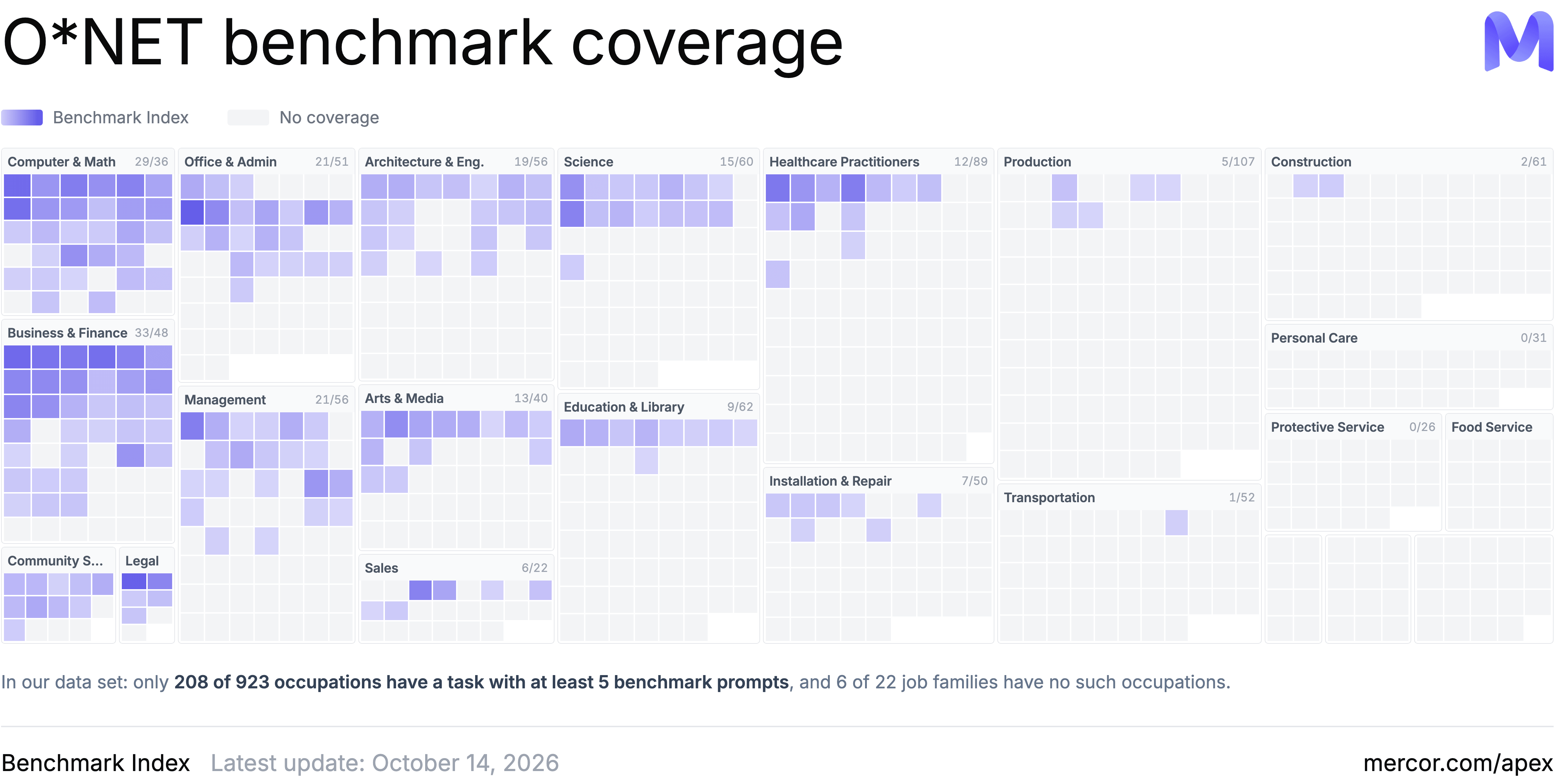
Mercor Research mapped AI benchmarks to US jobs.
|
|
90% of hours worked in the US aren't covered. Only 208 of 923 occupations are represented by existing AI benchmarks. The Benchmark Map of the US Economy is an interactive breakdown of which economic tasks are covered by AI benchmarks. Find out if your job has good benchmark coverage.
|
|
|
|
Top Repo
|
|
|
|
OpenAI models crack a Millennium Prize math problem with a verified QCD proof
|
|
6,944 Likes
|
|
OpenAI just dropped something huge. Its models produced three proofs across math, computer science, and physics, all at once. Here is what got solved: - Kakeya conjecture in all dimensions, a long-open geometry problem in mathematics
- Exponential Time Hypothesis disproved, meaning a widely held assumption about how hard certain computing problems are turns out to be wrong
- Yang-Mills and QCD existence, a proof that the physics equations describing how quarks interact actually make mathematical sense
That last one is part of a Millennium Prize problem, one of seven problems the Clay Mathematics Institute offered $1 million to solve. Only one had ever been cracked before this. The math and CS proofs are already public on GitHub, verified in Lean, a tool that checks proofs like a compiler checks code. The physics proof is being reviewed by a Nobel Prize-winning panel before release. These were not human-guided hints. The models produced the full proofs themselves.
|
|
|
At Alpha Signal, our mission is to build a sharp, engaged community focused on AI, machine learning, and cutting-edge language models, helping over 300,000 developers stay informed and ahead. We're passionate about curating the best in AI, from top research and trending technical blogs to expert insights and tailored job opportunities. We keep you connected to the breakthroughs and discussions that matter, so you can stay in the loop without endless searching. We also work closely with partners who value the future of AI, including employers and advertisers who want to reach an audience as passionate about AI as we are.
Our partnerships are based on shared values of ethics, responsibility, and a commitment to building a better world through technology.Privacy is a priority at Alpha Signal. Our Privacy Policy clearly explains how we collect, store, and use your personal and non-personal information. By using our website, you accept these terms, which you can review on our website. This policy applies across all Alpha Signal pages, outlining your rights and how to contact us if you want to adjust the use of your information. We're based in the United States. By using our site, you agree to be governed by U.S. laws.
|
|
|
Looking to promote your company, product, service, or event to 300,000+ AI developers?
|
|
|
|
|
