AI is eating knowledge work on paper, replacing it in pixels, and now simulating the humans who use it. That's today in a sentence.
Anthropic just modeled three futures where a bigger economy doesn't mean you earn more. Capital wins. OpenAI ships faster image editing that knows what not to touch. Amazon uses LLMs to simulate 1,000 users before a single real one clicks.
The pattern? AI is now predicting, replacing, and optimizing us. Buckle up.
|
|
In Partnership with
|
·
|

|
|
|
|

|
Today's Author
Lior Alexander. Founder of AlphaSignal and former ML Engineer. Previously built ML systems at Iguazio, Guesty, Enphase, Mila.
|
|
Top News
|
|
|
|
Anthropic models three scenarios for how AI reshapes US jobs and wages by 2030
|
|
16,677 Likes
|
|
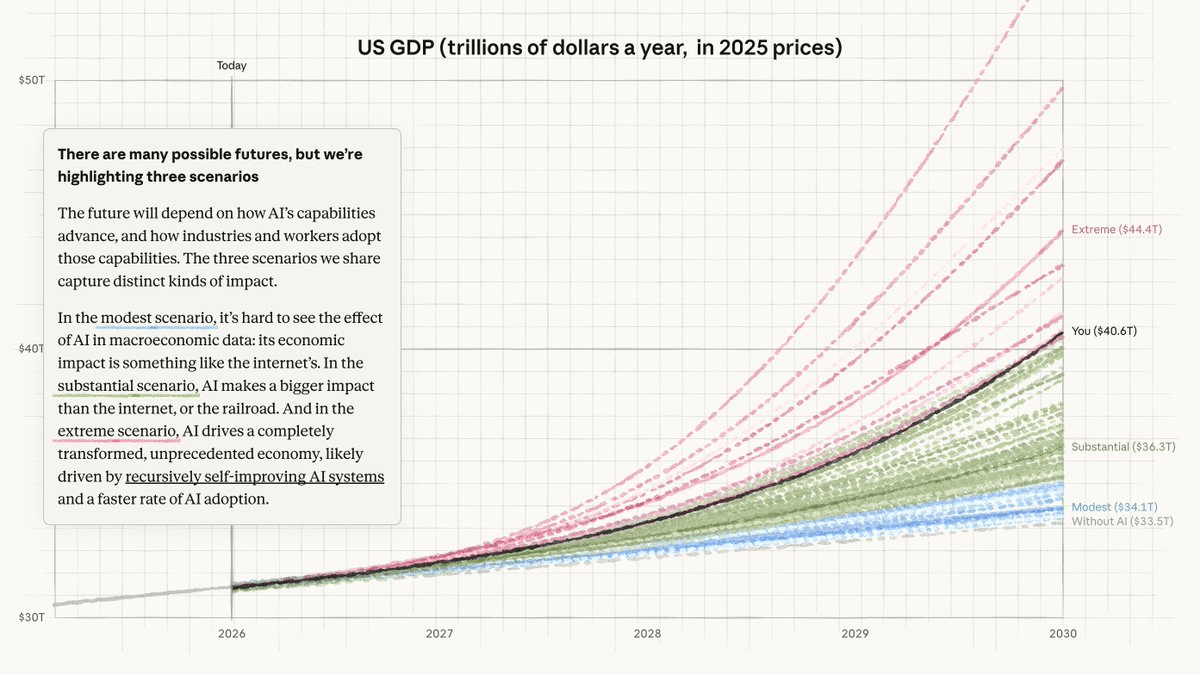
Anthropic just dropped an interactive tool that models what AI could do to the US economy by 2030. It treats every job as a bundle of tasks, then asks: does AI speed up that task, replace it, or create new ones? There are three scenarios to explore: - Modest: AI feels like the internet did. GDP grows just 1.6% above the no-AI path. Wages stay stable.
- Substantial: AI handles about half of knowledge work. GDP jumps 8.3%. But knowledge worker wages flatline, and some people have to switch careers entirely.
- Extreme: Annual growth hits 15%, doubling the economy every 4.5 years. But knowledge worker unemployment hits 17.9%, and labor's share of GDP drops from 60% to 45%.
The tricky part: a bigger economy does not automatically mean you earn more. Capital owners capture most of the gains in the extreme case. You can plug in your own assumptions and see how your view compares to 10,000+ Americans surveyed. Most people land near the substantial scenario. Only about 10% expect the extreme one.
|
|
|
|
Presented by Finest
|
|
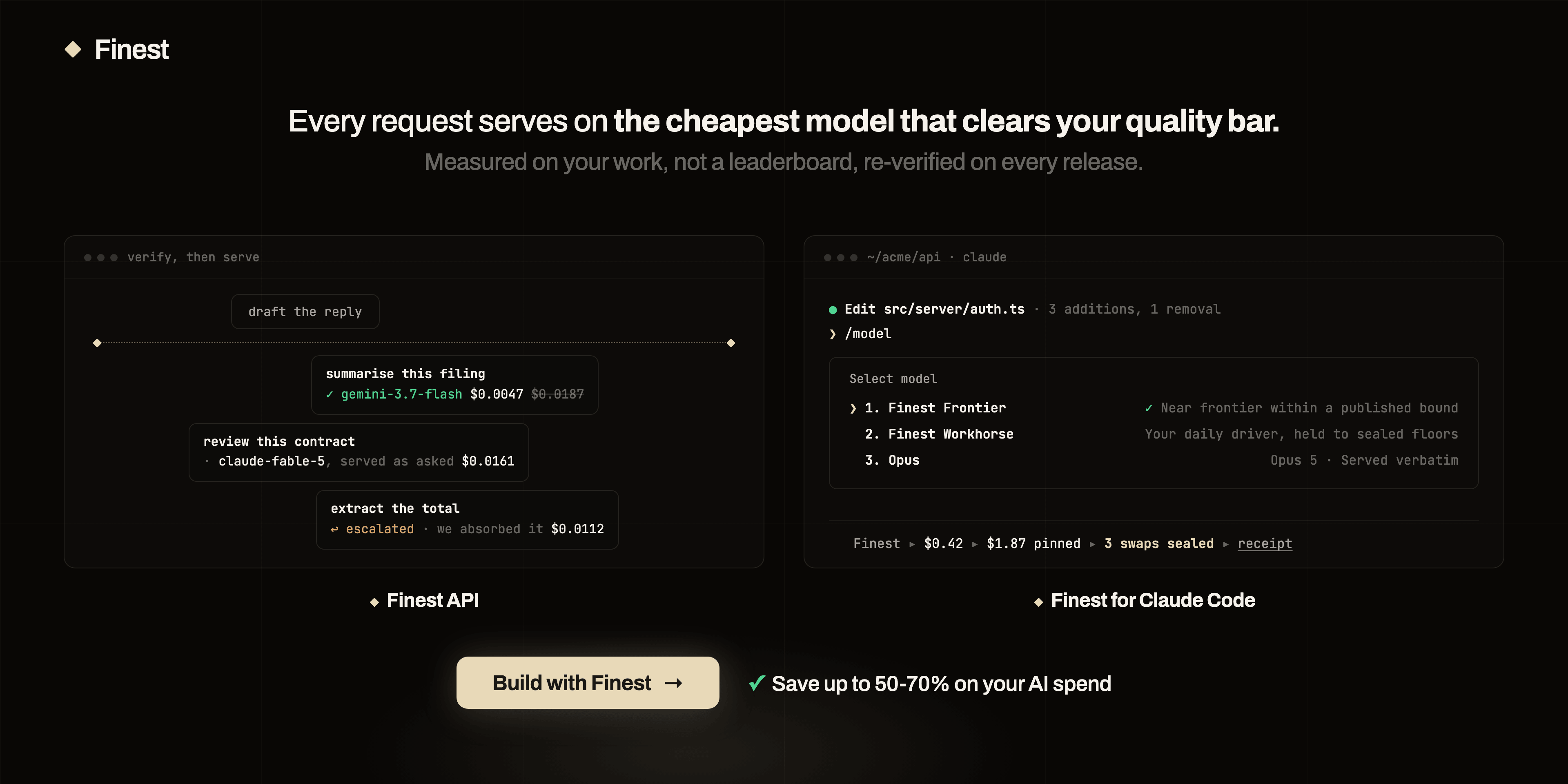
Save up to 70% on AI spend with two lines of code
|
|
Most teams pick an extreme: a frontier model for everything and a bloated bill, or a cheaper model everywhere and weaker output. Finest calibrates against your work. Finest API serves a lower-cost configuration only when it clears your task's quality bar. Otherwise, the model you named serves. Finest Code brings the same evidence-gated approach to Claude Code. Every request carries a receipt showing what served, and both prices.
|
|
|
|
Top News
|
|
|
|
OpenAI ships GPT-Image-2.5 with 50% lower latency and sharper editing control
|
|
4,729 Likes
|
|
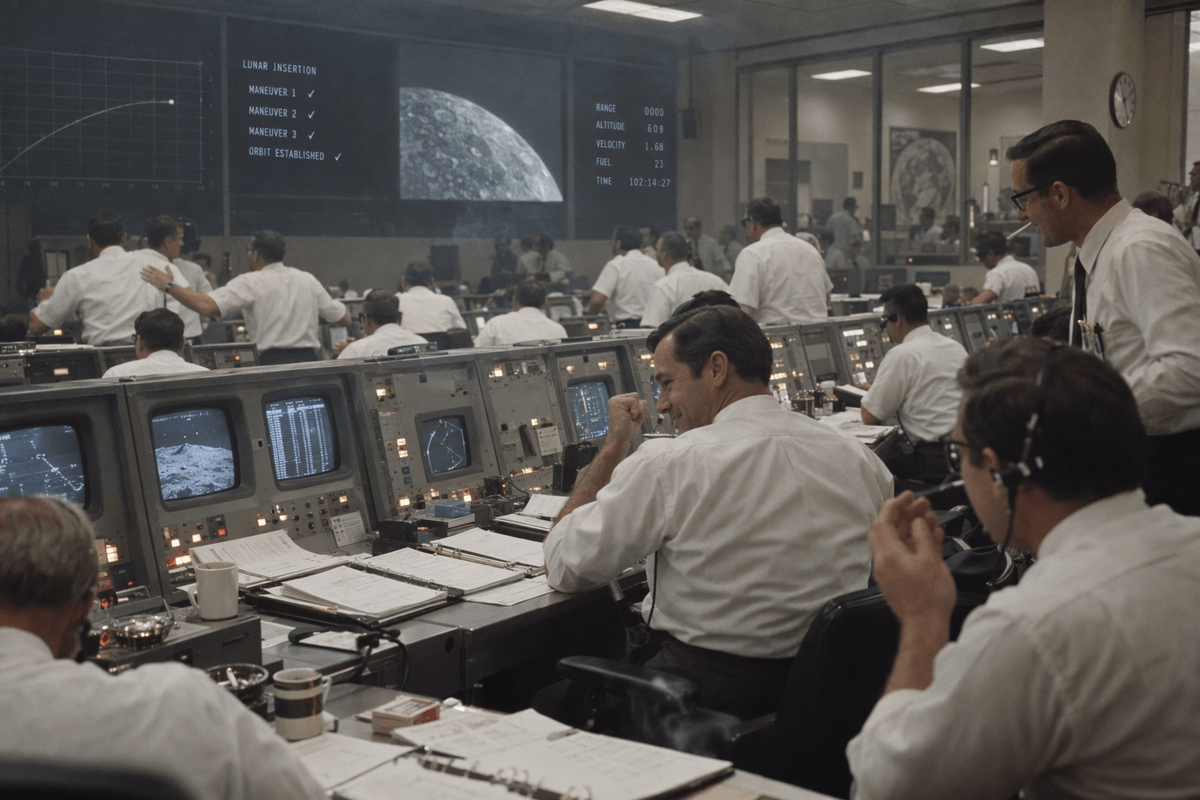
OpenAI just dropped two new image models in the API: GPT-Image-2.5 Flare and GPT-Image-2.5 Sunburst. Think of them as two gears for different jobs. The big upgrade here is smarter editing. The model now understands what not to touch. Swap a jacket, keep the pose. Change a background, keep the product. Fix the text, keep the layout. That kind of surgical control is what makes this useful for real apps. Here is what you can build with this: - AI photo editors that only change what users ask for
- Ecommerce tools that turn product photos into studio-quality shots
- Ad platforms that localize and personalize campaign images at scale
- Design tools that keep brand visuals consistent across edits
Flare is your default: up to 50% faster than GPT-Image-2, great for everyday generation. Sunburst is slower but gives you tighter precision when edits really matter. Both are live in the API now.
|
|
|
|
Presented by Teleport
|
|
What did your AI agent do while you were away?
|

|
Once agents run in production, you need to know what they did, whether it was expected, and what risk comes next.
Teleport helps you:
- Turn 3-hour sessions into 30-second summaries
- Catch workarounds with Agentic Classifiers
- Triage activity with Risk Scoring
Join Ben Arent on September 17.
|
|
|
|
Top Repo
|
|
|
|
Reasoning models produce fractals when solving hard problems, and it explains "overthinking"
|
|
4,433 Likes
|
|
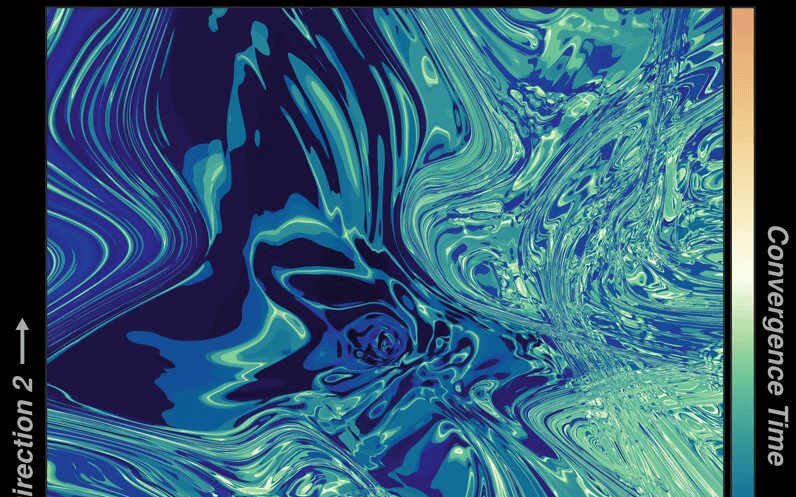
Researchers just found something unexpected: AI reasoning models produce fractals when solving hard problems. Not metaphorically. Actual fractal patterns. Here is what is happening. When a model reasons through a problem, it is basically a system searching for a stable answer. Where it starts that search changes everything. Two nearly identical starting points can lead to wildly different reasoning paths, even if both eventually land on the correct answer. That sensitivity is what creates the fractal shapes. And the harder the problem, the more intense the fractal. Why does this matter to you? It explains something annoying you have probably noticed: - Two similar prompts can produce reasoning traces with 10x differences in length, meaning 10x differences in token cost
- The model gets temporarily stuck near wrong answers before escaping to the right one
- This was confirmed across Sudoku, mazes, math puzzles, and ARC-AGI
The core insight: sensitivity is the cost of hard thinking. You cannot have a model that deeply explores difficult problems without also getting unpredictable inference costs. The code is on GitHub under GilpinLab/loopscape.
|
|
|
At Alpha Signal, our mission is to build a sharp, engaged community focused on AI, machine learning, and cutting-edge language models, helping over 300,000 developers stay informed and ahead. We're passionate about curating the best in AI, from top research and trending technical blogs to expert insights and tailored job opportunities. We keep you connected to the breakthroughs and discussions that matter, so you can stay in the loop without endless searching. We also work closely with partners who value the future of AI, including employers and advertisers who want to reach an audience as passionate about AI as we are.
Our partnerships are based on shared values of ethics, responsibility, and a commitment to building a better world through technology.Privacy is a priority at Alpha Signal. Our Privacy Policy clearly explains how we collect, store, and use your personal and non-personal information. By using our website, you accept these terms, which you can review on our website. This policy applies across all Alpha Signal pages, outlining your rights and how to contact us if you want to adjust the use of your information. We're based in the United States. By using our site, you agree to be governed by U.S. laws.
|
|
|
Looking to promote your company, product, service, or event to 300,000+ AI developers?
|
|
|
|
|
