|
Hey,
Your daily briefing is ready. You can finally take a break from the AI firehose.
Our algos spent the night splitting signal from noise and pulled the top news, models, papers, and repos.
Here’s the must-read:
|
|
Together with:
|
|
|

|
Today's Author
Lior Alexander. Founder of AlphaSignal and former ML Engineer.
Previously built ML systems at Iguazio, Guesty, Enphase, Mila.
|
|
Top News
|
|
|
|
Google releases Nano Banana 2, tops benchmarks, delivers Pro-level quality at Flash speed for half the cost
|
|
15,638 Likes
|
|
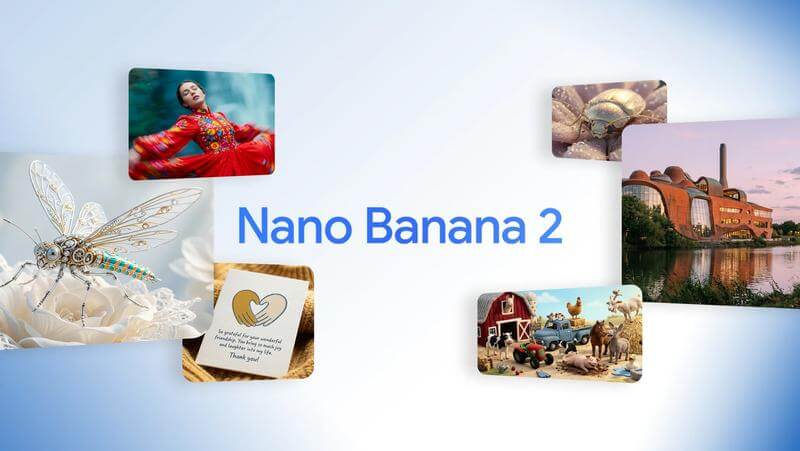
Google released Nano Banana 2 as the new default image model across Gemini and its broader tool ecosystem. It combines the visual quality of Nano Banana Pro with the low latency of Gemini Flash, while cutting the price to about $0.07 per image.
It currently ranks No.1 on major text-to-image leaderboards.
The model solves a common tradeoff in image generation: speed versus fidelity. You now get high-resolution, instruction-accurate images without paying Pro-tier costs.
Key features and results:
-
4K resolution support across multiple aspect ratios
-
Consistent rendering for up to five characters
-
Stable depiction of up to fourteen objects
-
Improved text rendering with translation support
-
Grounding with real-time web search data
-
No.1 ranking on Artificial Analysis and LM Arena
-
~2× lower cost than previous Pro model
How to use it:
-
Access in the Gemini app as default image model
-
Use in Search AI Mode and Lens
-
Call via Gemini API or Vertex AI
-
Specify resolution, aspect ratio, and constraints directly in prompts
|
|
|
|
Presented by Lightfield
|
|
The first CRM built for founders, not admins
|
|
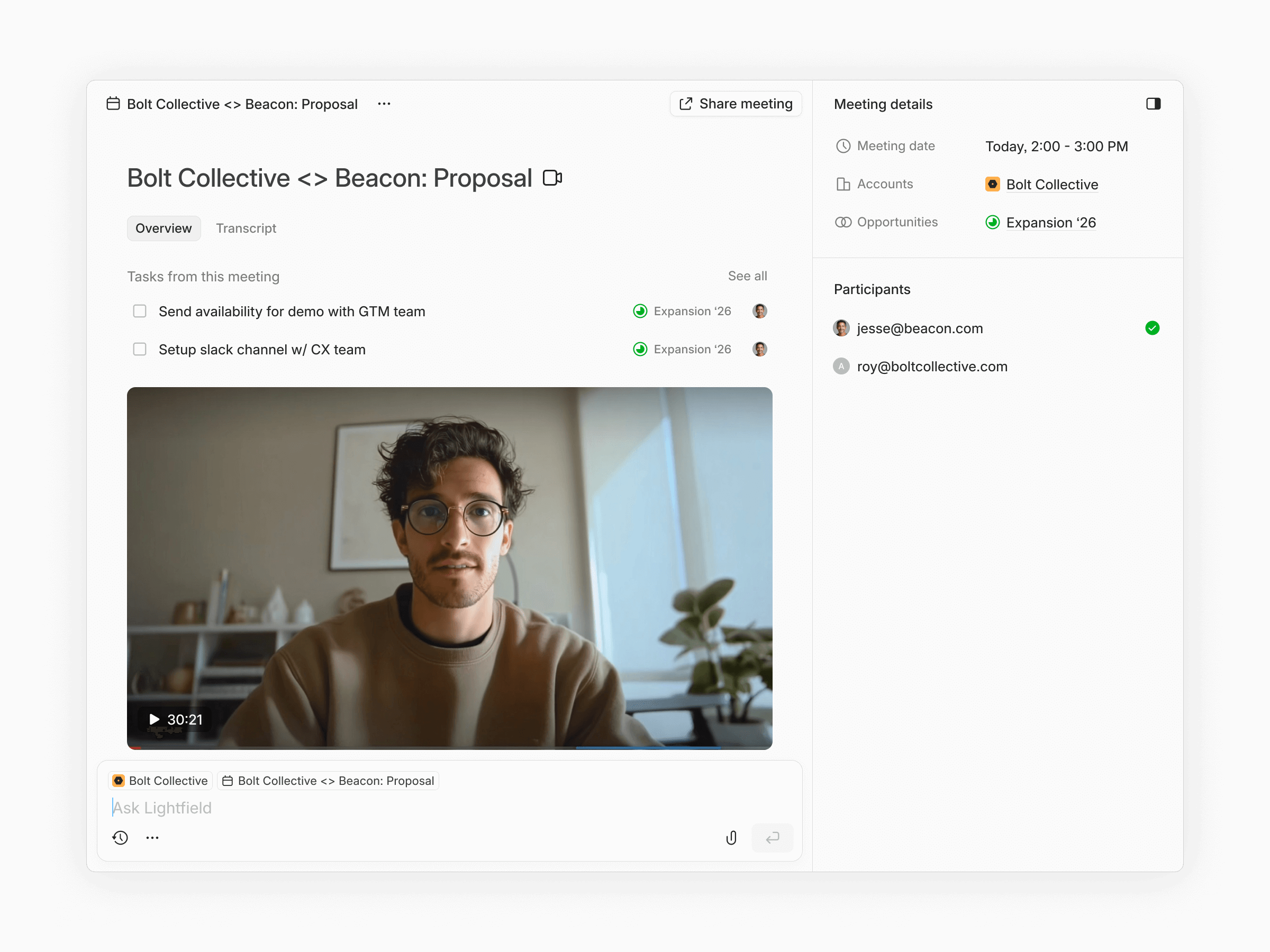
CRMs only work if someone keeps them updated. You don't have time for that. Lightfield is an AI-native CRM with a built-in call recorder that automatically updates every record. No manual data entry, ever.
It handles:
Used by 2,000+ startups. Connect your email and calendar and watch your CRM build itself.
Try free for 3 months with code ALPHASIGNALP13.
|
|
|
|
partner with us
|
|
Top News
|
|
|
|
Anthropic builds Claude Code memory that writes its own notes into MEMORY.md without manual input
|
|
12,482 Likes
|
|
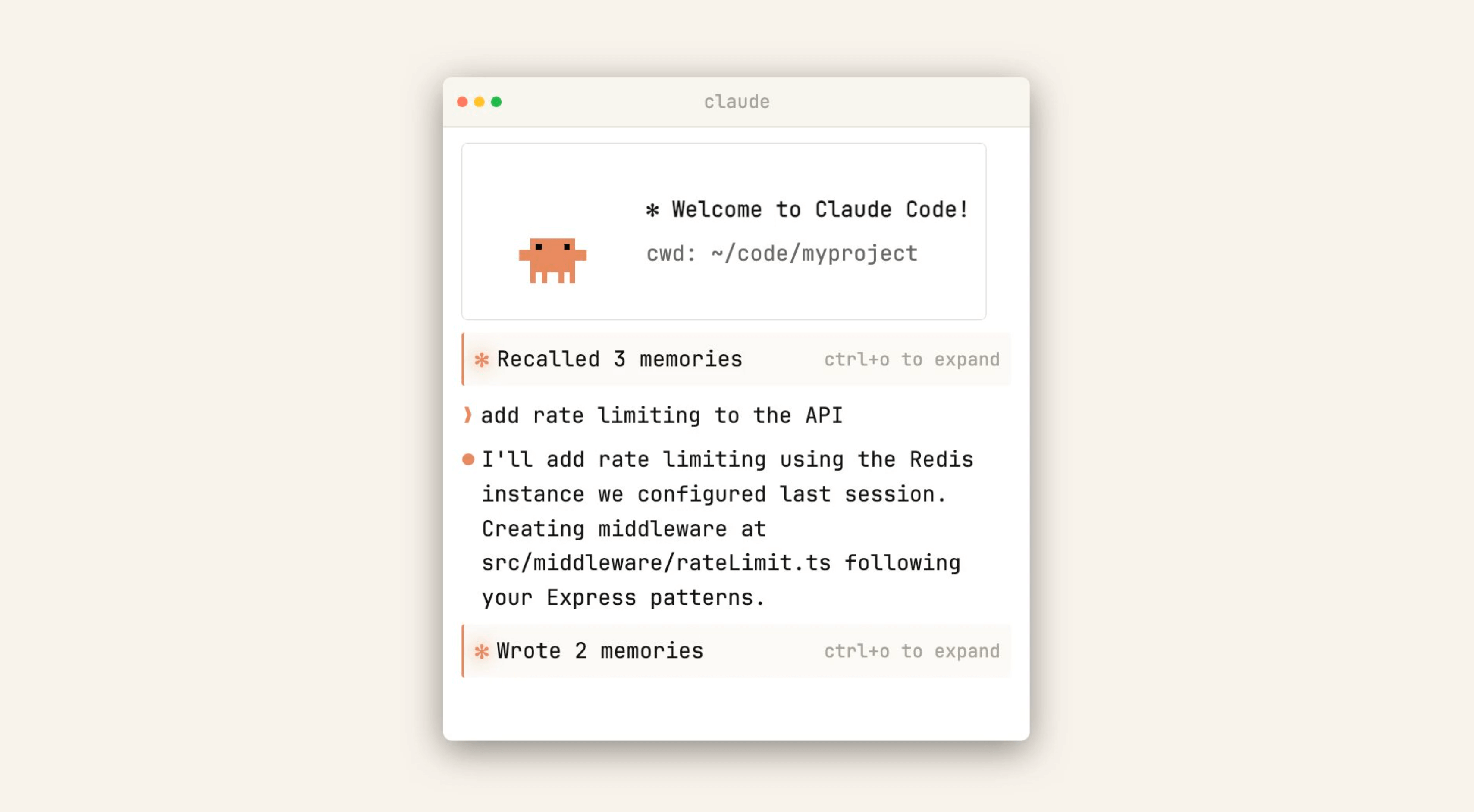
Claude Code now remembers what it learns across sessions. It stores project context, debugging fixes, architecture notes, and your personal preferences automatically. You stop repeating setup instructions every time you restart the tool.
Auto-memory acts like a persistent scratchpad. Claude writes its own notes into MEMORY.md, while you keep writing instructions in CLAUDE.md.
At startup, Claude loads project rules plus the first 200 lines of its memory index, then reads deeper notes only when needed.
Key Features
-
Saves build commands, test workflows, and code style patterns
-
Records debugging insights and recurring error solutions
-
Stores architecture notes and module relationships
-
Tracks personal preferences like pnpm vs npm
-
Organizes memory into topic files for structure
How to Use It
-
Tell Claude: “remember we use pnpm”
-
Run /memory to view or edit memory files
-
Disable globally in~/.claude/settings.json
-
Disable per project in .claude/settings.json
-
Override with CLAUDE_CODE_DISABLE_AUTO_MEMORY
Each git repository gets its own memory folder. This keeps projects isolated and prevents cross-contamination.
|
|
|
|
Presented by Viktor
|
|
The coworker who ships while you sleep
|
|
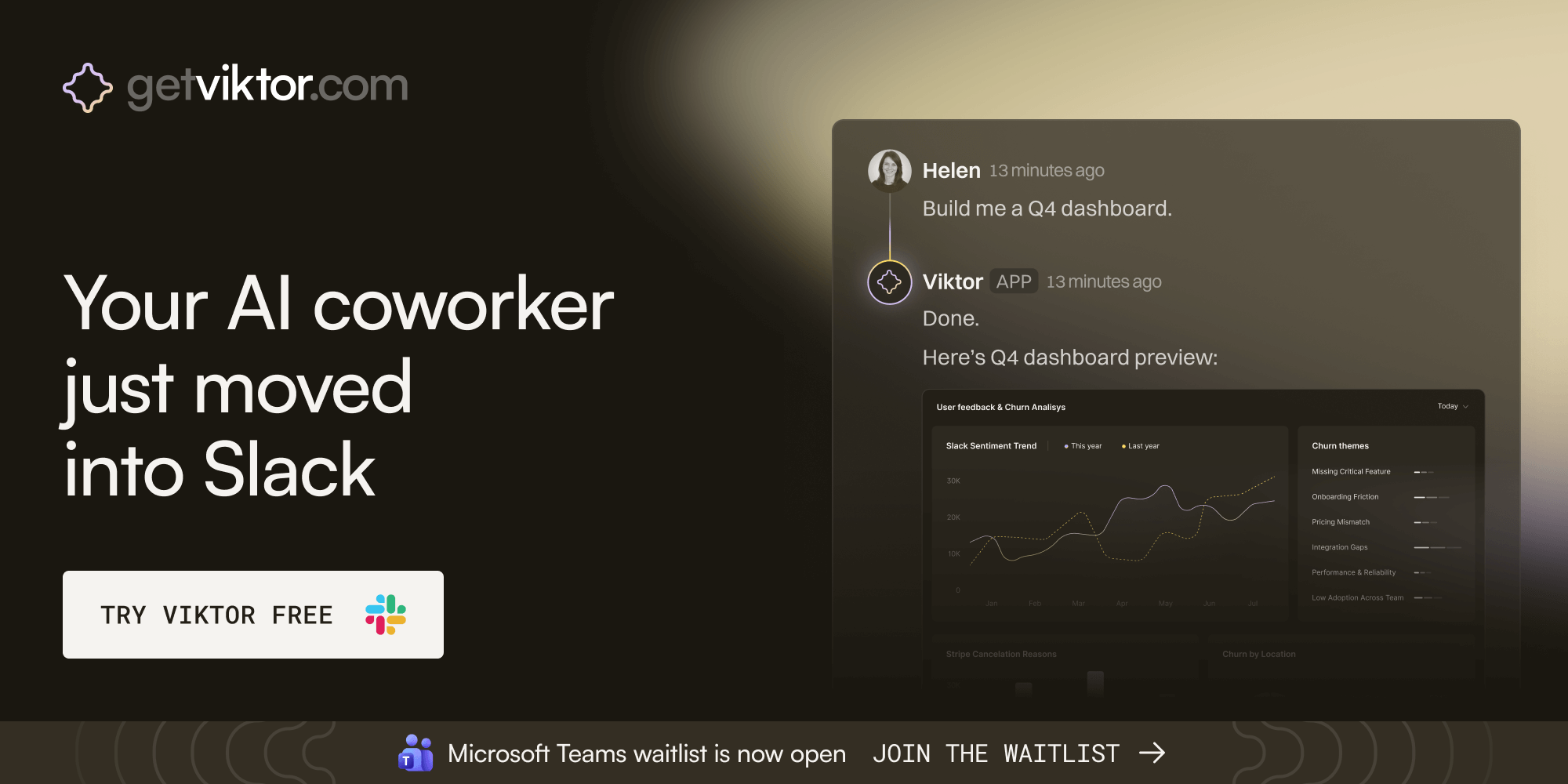
'Build me a competitor tracker.' By morning, it's live. Pulling pricing, features, and changelog updates daily.
Viktor is an AI coworker with its own computer in Slack. Writes code, deploys apps, connects to 3,000+ tools. Not answers. Shipped work.
Free to start. Microsoft Teams coming soon.
|
|
|
|
partner with us
|
|
Top News
|
|
|
|
OpenAI ships Codex-Figma integration, extracting layouts, styles, and components without any manual rewrites
|
|
2,142 Likes
|
|
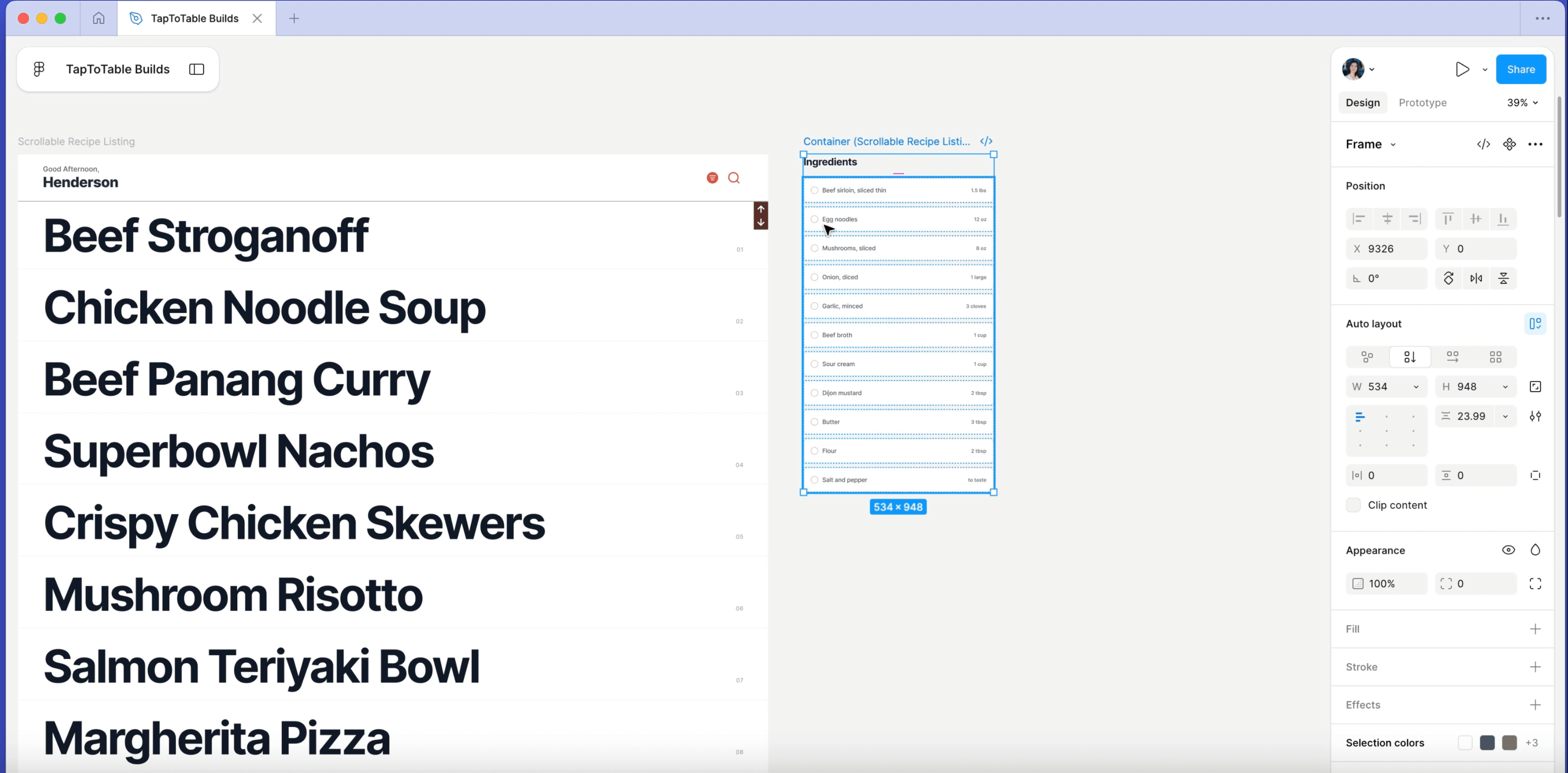
OpenAI Codex now connects directly to Figma through the Figma MCP server.
You generate Figma design files from running code and push design updates back into your codebase without manual rewrites. This creates a two-way workflow between implementation and visual iteration.
MCP (Model Context Protocol) passes structured design data, layouts, styles, components, from Figma into Codex so the agent generates code with real design context.
Key Features
- Generate Figma files from live applications in seconds
-
Extract design context (layouts, fonts, components) into code generation
-
Capture full screens or specific UI elements
-
Update code from refined Figma frames
-
Support Figma Design, Make, and FigJam files
-
Reduce manual rework between designers and developers
How to Use It
Design → Code
-
Copy a frame link from Figma.
-
Paste into Codex with an implementation prompt.
-
Codex calls get_design_context and generates UI code.
|
|
|
At Alpha Signal, our mission is to build a sharp, engaged community focused on AI, machine learning, and cutting-edge language models, helping over 200,000 developers stay informed and ahead. We’re passionate about curating the best in AI, from top research and trending technical blogs to expert insights and tailored job opportunities. We keep you connected to the breakthroughs and discussions that matter, so you can stay in the loop without endless searching. We also work closely with partners who value the future of AI, including employers and advertisers who want to reach an audience as passionate about AI as we are.
Our partnerships are based on shared values of ethics, responsibility, and a commitment to building a better world through technology.Privacy is a priority at Alpha Signal. Our Privacy Policy clearly explains how we collect, store, and use your personal and non-personal information. By using our website, you accept these terms, which you can review on our website. This policy applies across all Alpha Signal pages, outlining your rights and how to contact us if you want to adjust the use of your information. We’re based in the United States. By using our site, you agree to be governed by U.S. laws.
|
|
|
Looking to promote your company, product, service, or event to 250,000+ AI developers?
|
|
|
|
|
