|
Hey,
Your daily briefing is ready. You can finally take a break from the AI firehose.
Our algos spent the night splitting signal from noise and pulled the top news, models, papers, and repos.
Here’s the must-read:
|
|
Together with Augment Code
|

|
|

|
Today's Author
Lior Alexander. Founder of AlphaSignal and former ML Engineer.
Previously built ML systems at Iguazio, Guesty, Enphase, Mila.
|
|
Top News
|
|
|
|
Anthropic releases Claude Sonnet 4.6, approaching Opus-level results at $3/$15 per million tokens
|
|
39,932 Likes
|
|
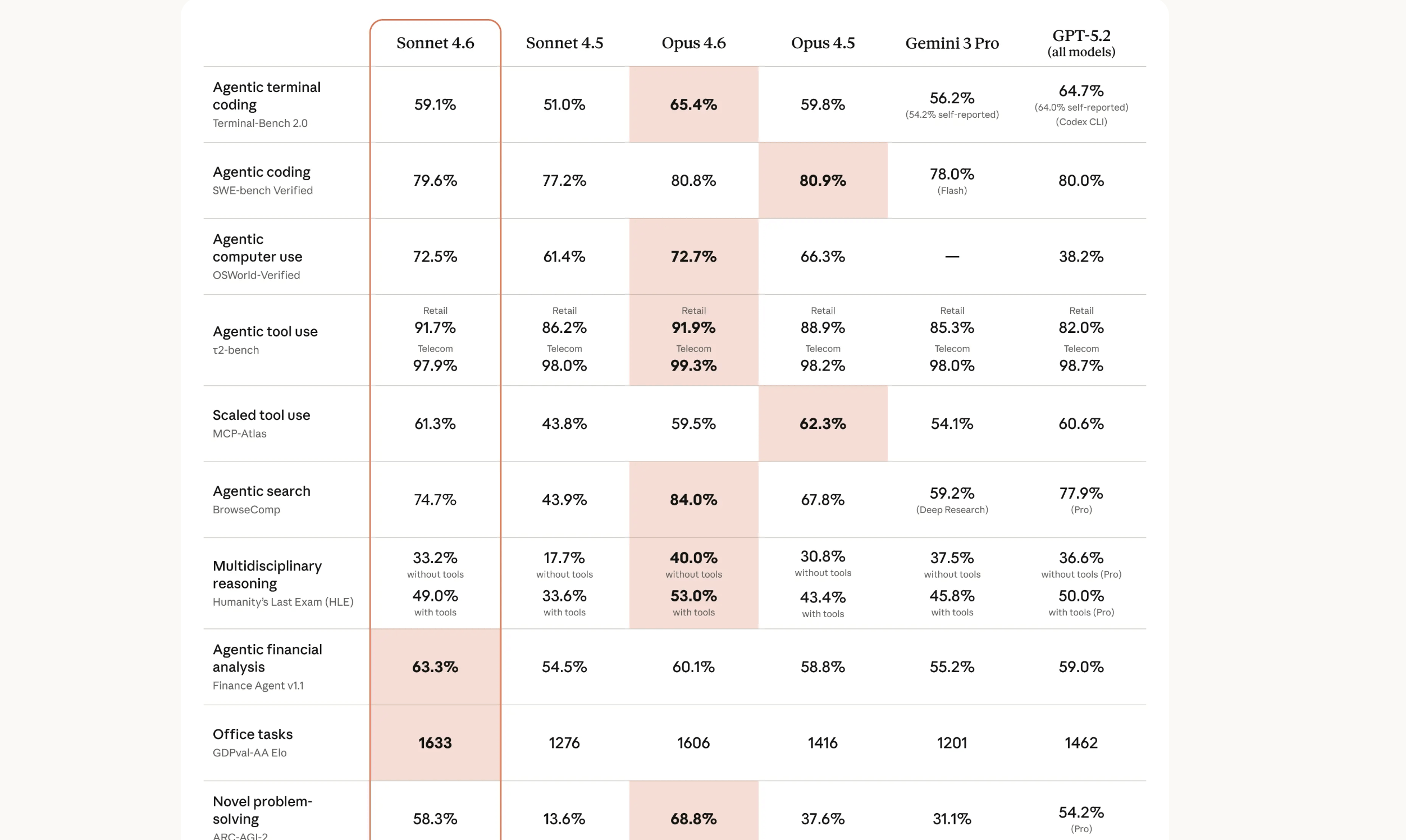
Anthropic just released Claude Sonnet 4.6, a major upgrade to its mid-tier model line.
The headline change is a 1M token context window (beta), large enough to load entire repositories or long research documents into a single request. It keeps the same pricing as Sonnet 4.5 at $3 input / $15 output per million tokens.
Sonnet models target developers who need strong reasoning and coding without Opus-level cost. In internal Claude Code tests, users prefer Sonnet 4.6 over Sonnet 4.5 about 70% of the time, and over Claude Opus 4.5 59% of the time.
Testers report better instruction following and fewer incorrect claims of task completion.
It also improves “computer use,” which means the model interacts with software like a human through virtual mouse clicks and keyboard input instead of APIs. On OSWorld-Verified, it shows major gains and handles complex spreadsheets and multi-step web forms.
Key features and results:
-
1M token context for full-codebase reasoning
-
Improved long-horizon planning on Vending-Bench Arena
-
Web search with automatic code-based filtering
-
General availability of code execution and tool calling
You use it via the claude-sonnet-4-6 model in the Claude API and tune thinking settings based on latency and reliability needs.
|
|
|
|
Presented by Augment Code
|
|
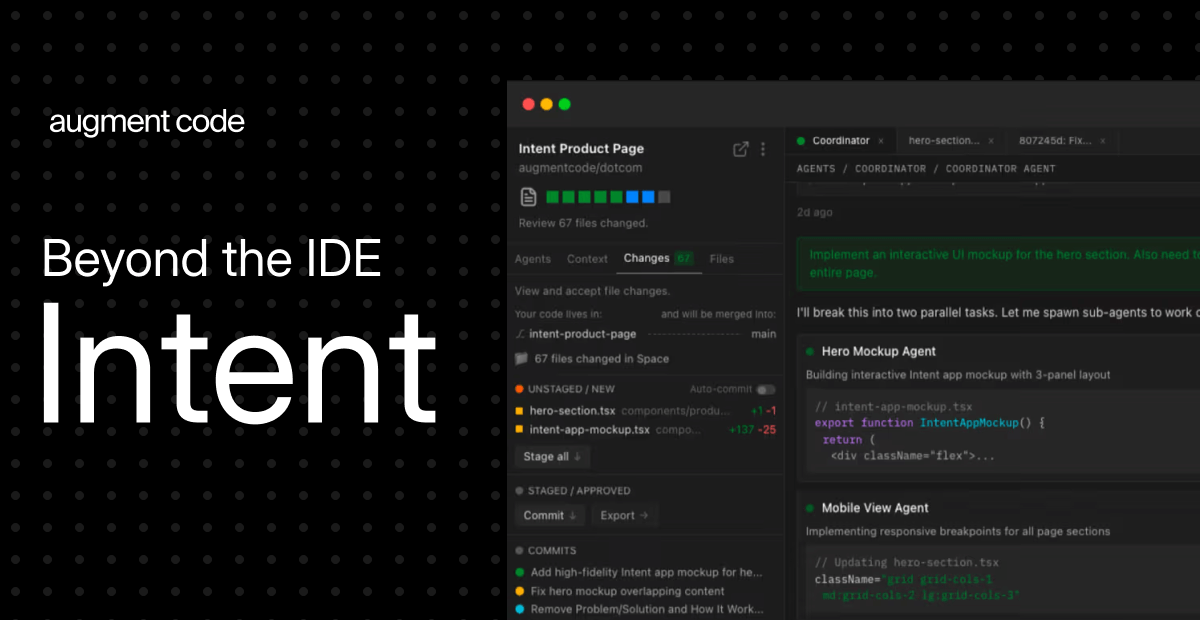
What comes after your IDE? Intent.
|
|
Stop herding AI agents across terminals and branches. Intent bundles each task into a single workspace with a living spec, agent notes, and full change visibility.
Orchestrate agents like a system, not a swarm: direct specialists, keep work aligned, and ship without copy-pasting context.
Works with Augment, Claude Code, Codex, or OpenCode.
|
|
|
|
partner with us
|
|
Top News
|
|
|
|
Figma imports Claude Code UI as editable layers, lets you move from code to canvas without rebuilding layouts manually
|
|
11,492 Likes
|
|
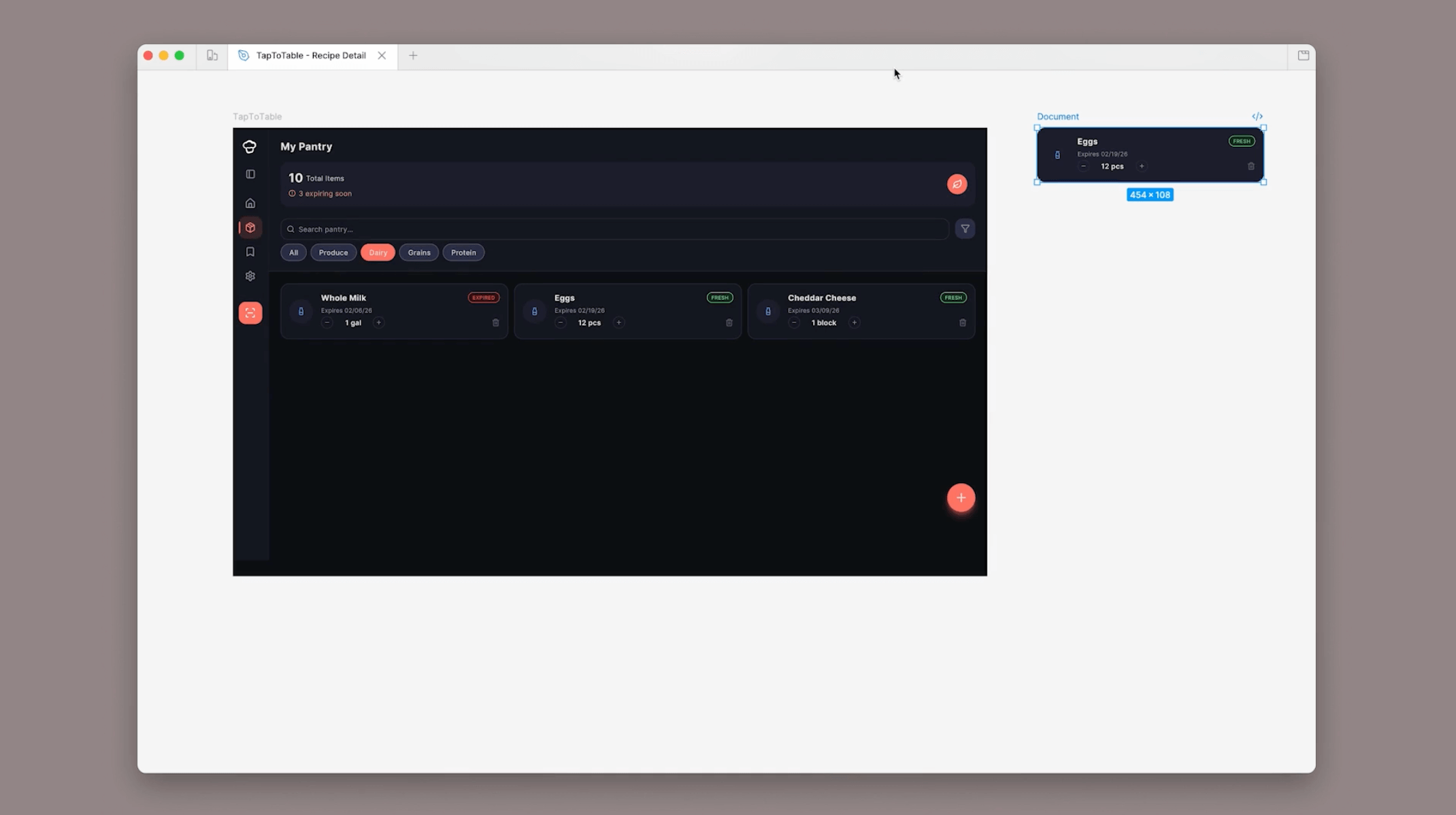
Figma now lets you send UI built in Claude Code straight into the design canvas as fully editable layers. You install the Figma MCP (Model Context Protocol plugin), type “Send this to Figma,” and the rendered browser UI converts into structured Figma frames. No screenshots. No manual redraw.
This solves a common problem: you build fast in code, but stepping back to rethink layout, flow, or UX feels heavy. Now you move between code and visual design without friction.
Key features and results:
-
Convert rendered UI into editable Figma layers
-
Preserve layout structure and text elements
-
View multi-page flows side by side
-
Edit visually with drag-and-drop controls
-
Sync updated designs back into Claude Code
How to use it:
-
Install:
/plugin install figma@claude-plugin-directory
-
Build your UI in Claude Code
-
Type: “Send this to Figma”
-
Edit on the canvas
-
Push changes back into code
|
|
|
|
Presented by Innovating With AI
|
|
Case Study: Dan's 1 Year Transformation To 6-Figure AI Consultant
|
|
Dan spent months tinkering with AI before getting paid for it. His first prospects all said no.
Then he found a system that clicked. Discovery calls, tangible deliverables, warm network outreach.
Within a year he landed a Fractional Chief AI Officer retainer worth $50K-$70K and started building a team.
|
|
|
|
partner with us
|
|
Top Paper
|
|
|
|
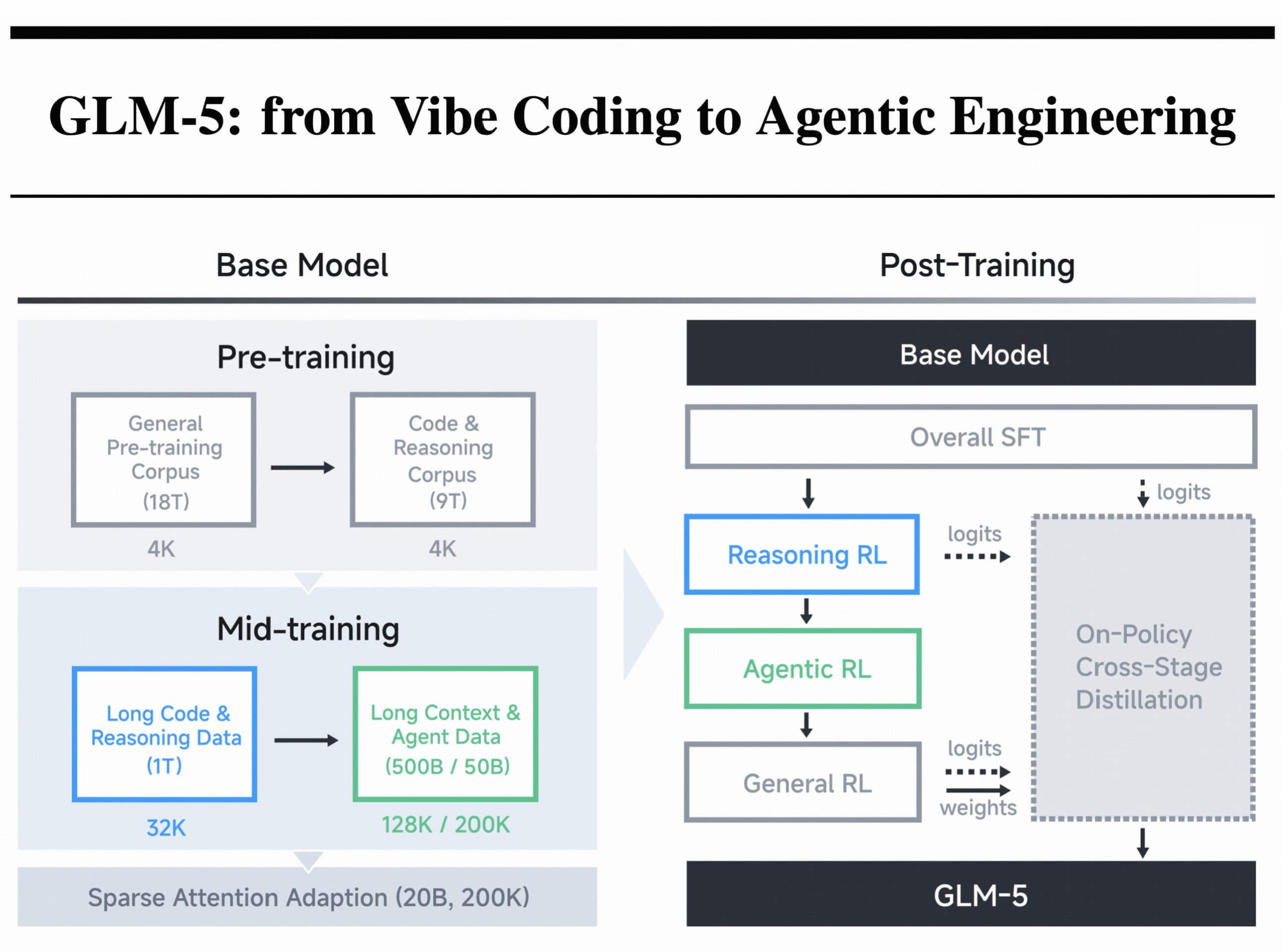
Z.ai publishes GLM-5 technical report detailing sparse attention and asynchronous RL architecture
|
|
1,592 Likes
|
|
GLM-5 launched earlier as a coding-focused foundation model. Now the team releases the full technical report that explains how they built it and why it shifts from simple prompt-based coding to structured, agent-style engineering.
The key change: a new sparse attention design and asynchronous reinforcement learning system that target long, multi-step software tasks.
The problem they address is dense Transformer attention scales quadratically with sequence length, which drives up cost. GLM-5 adopts Deep Sparse Attention (DSA), which limits which tokens attend to each other. This reduces compute while preserving long-context reasoning.
The team also redesigns post-training with asynchronous reinforcement learning. They decouple generation from optimization, which increases throughput across distributed systems. New agent RL algorithms train the model on multi-step trajectories instead of single prompts.
Key Features and Results
-
Deep Sparse Attention reduces training and inference compute cost
-
Asynchronous RL decouples rollout and parameter updates
-
Agent RL trains multi-file edits and debugging workflows
-
Reports state-of-the-art results among open-source models
|
|
|
At Alpha Signal, our mission is to build a sharp, engaged community focused on AI, machine learning, and cutting-edge language models, helping over 200,000 developers stay informed and ahead. We’re passionate about curating the best in AI, from top research and trending technical blogs to expert insights and tailored job opportunities. We keep you connected to the breakthroughs and discussions that matter, so you can stay in the loop without endless searching. We also work closely with partners who value the future of AI, including employers and advertisers who want to reach an audience as passionate about AI as we are.
Our partnerships are based on shared values of ethics, responsibility, and a commitment to building a better world through technology.Privacy is a priority at Alpha Signal. Our Privacy Policy clearly explains how we collect, store, and use your personal and non-personal information. By using our website, you accept these terms, which you can review on our website. This policy applies across all Alpha Signal pages, outlining your rights and how to contact us if you want to adjust the use of your information. We’re based in the United States. By using our site, you agree to be governed by U.S. laws.
|
|
|
Looking to promote your company, product, service, or event to 250,000+ AI developers?
|
|
|
|
|
