
CMU Maps the AI Safety vs Ethics War With 3,550 Papers
A systematic review of 3,550 papers maps where AI safety and AI ethics researchers disagree, agree, and could actually collaborate.
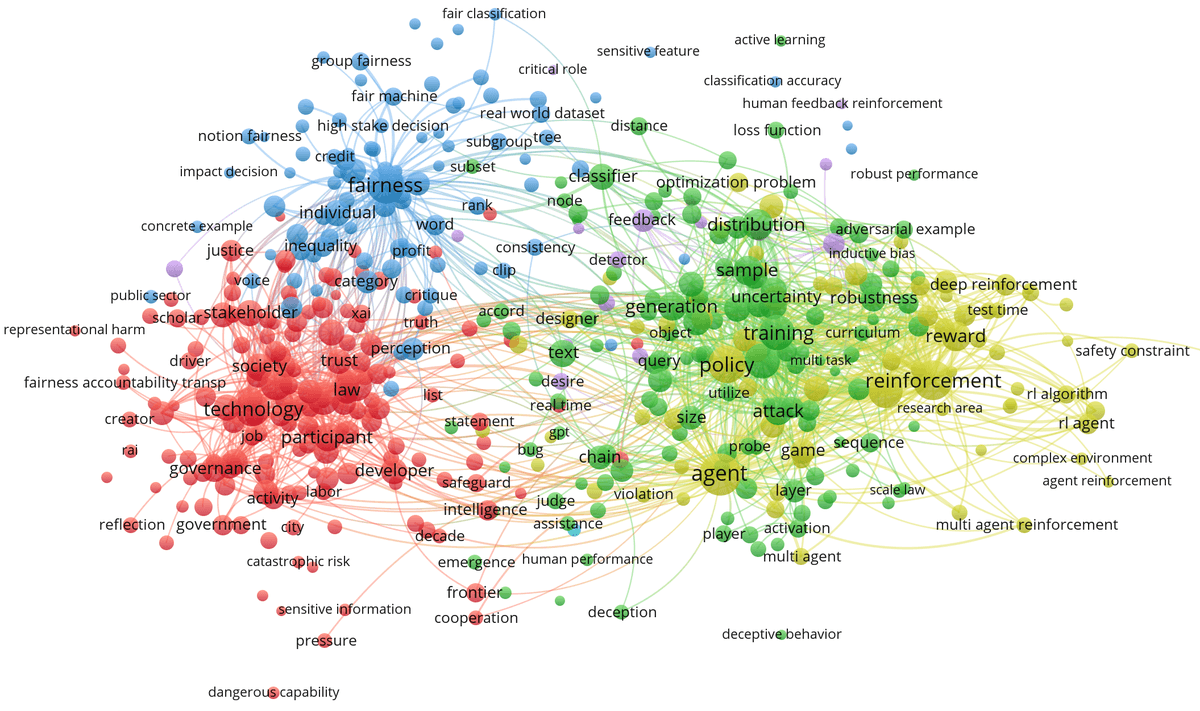
Takeaways
- New CMU paper maps the AI safety vs AI ethics divide across 3,550 papers from AIES, FAccT, and 35 safety labs.
- Proposes four engagement modes: radical confrontation, disengagement, compartmentalized coexistence, and critical bridging.
- Ethics research focuses on injustice, bias, and present harms; safety focuses on anticipatory risks from capabilities.
- Significant overlap found on interpretability, benchmarks, governance, value learning, and adversarial robustness.
- Document embeddings show AI safety corpus growing more similar to AI ethics over time.
- Full annotated dataset, taxonomies, and reproduction code available on GitHub.
The fight between the AI safety camp and the AI ethics camp has become one of the noisier subplots in modern AI. One side is worried about algorithmic bias, labor exploitation, and injustice happening right now. The other is worried about misaligned superintelligence, reward hacking, and catastrophic future risks. A new Carnegie Mellon paper by Bálint Gyevnár and Atoosa Kasirzadeh tries to replace the shouting with data by systematically mapping what each community actually publishes about.
Four ways to argue about responsible AI
The authors call the standoff the responsible AI divide and argue it is not just rhetorical: it is a competition for funding, attention, and policy influence. They distinguish four modes of engaging with the tensions: radical confrontation, disengagement, compartmentalized coexistence, and critical bridging. Confrontation gets the tweets, but the paper argues it usually devolves into ad hominem attacks. Disengagement and compartmentalization keep the peace at conferences but let real disagreements fester. Critical bridging, which involves engaging points of friction directly rather than pretending they do not exist, is where they want the field to go.
Bridging itself has three flavors: bridging communities, bridging philosophical worldviews, and bridging problems. The paper deliberately picks the third one because it can be studied empirically without needing sociological fieldwork on why researchers dislike each other.