
Qatar's HArnESS Beats Giant Multilingual Models at Arabic Speech With 28M Parameters
A Qatar Computing Research Institute team trained the first Arabic-centric self-supervised speech model, then squeezed it down to 28M parameters while beating HuBERT and XLS-R.
Takeaways
- HArnESS is the first Arabic-centric self-supervised speech model family, trained from scratch on ~23K hours of Arabic and English audio.
- Iterative HuBERT-style self-distillation produces a 316M-parameter teacher plus 65M and 28M student variants.
- HArnESS-L reaches 15.5 WER on MGB2 and 84.98% on ADI5 dialect ID, beating HuBERT-Large and XLS-R.
- The 65M HArnESS-S retains most of the teacher's quality with a 79.4% parameter reduction.
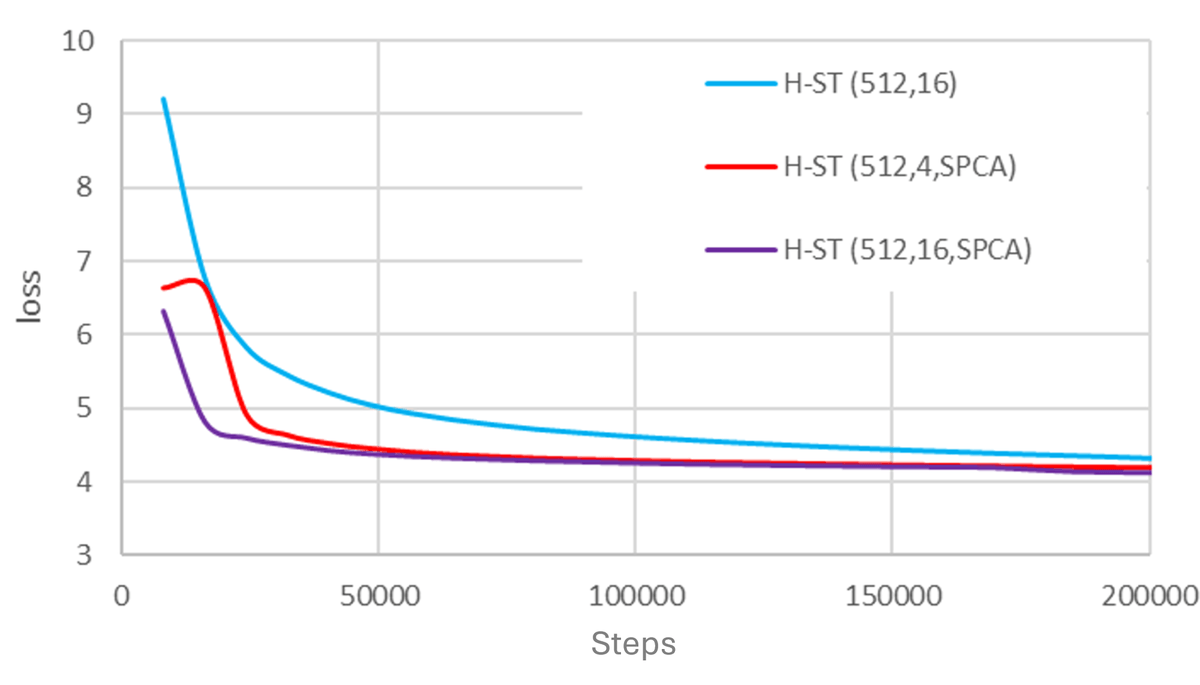
- PCA compression of teacher embeddings before clustering yields faster student convergence during distillation.
- Models and benchmark splits are released at huggingface.co/QCRI/distillHarness.
Most self-supervised speech models are either English-only giants or sprawling multilingual ones where lower-resource languages ride along as an afterthought. A team from Qatar Computing Research Institute and Amazon India pushed back on that pattern for Arabic, releasing HArnESS, a family of Arabic-centric speech encoders trained from scratch, then progressively distilled down to models small enough for real deployment.
HArnESS (HuBERT-based Arabic and English Self-Supervised Speech) is the first family of Arabic-centric self-supervised speech models designed to capture the nuances of Arabic speech, particularly its diverse dialects, aiming to be a lightweight alternative to large, computationally intensive systems like HuBERT and XLS-R. The models, along with benchmark resources, are available on Hugging Face.
Why Arabic breaks generic multilingual models
Arabic is a rough fit for one-size-fits-all speech encoders. It is spoken across 22 countries with sharp dialectal variation in phonetics, morphology, and vocabulary, and conversational Arabic frequently mixes in English and French words. Multilingual SSL systems like XLS-R help low-resource languages, but recent work shows they tend to favor whichever languages dominated pretraining, leaving underrepresented ones behind.
The numbers in the paper make that concrete. When used as a frozen feature extractor for Arabic dialect identification on the ADI5 benchmark, XLS-R lands at just 42.35% accuracy and English-trained HuBERT-Large at 64.14%. HArnESS-L pushes that to 84.98%, roughly matching a specialized dialect ID system from prior literature.