
Google's MediaPipe v0.10.35 Unlocks Android NPU Acceleration for On-Device AI
Google AI Edge ships MediaPipe v0.10.35 with Android NPU acceleration via JIT compilation, API3 migrations, and Vite worker support for web builds.
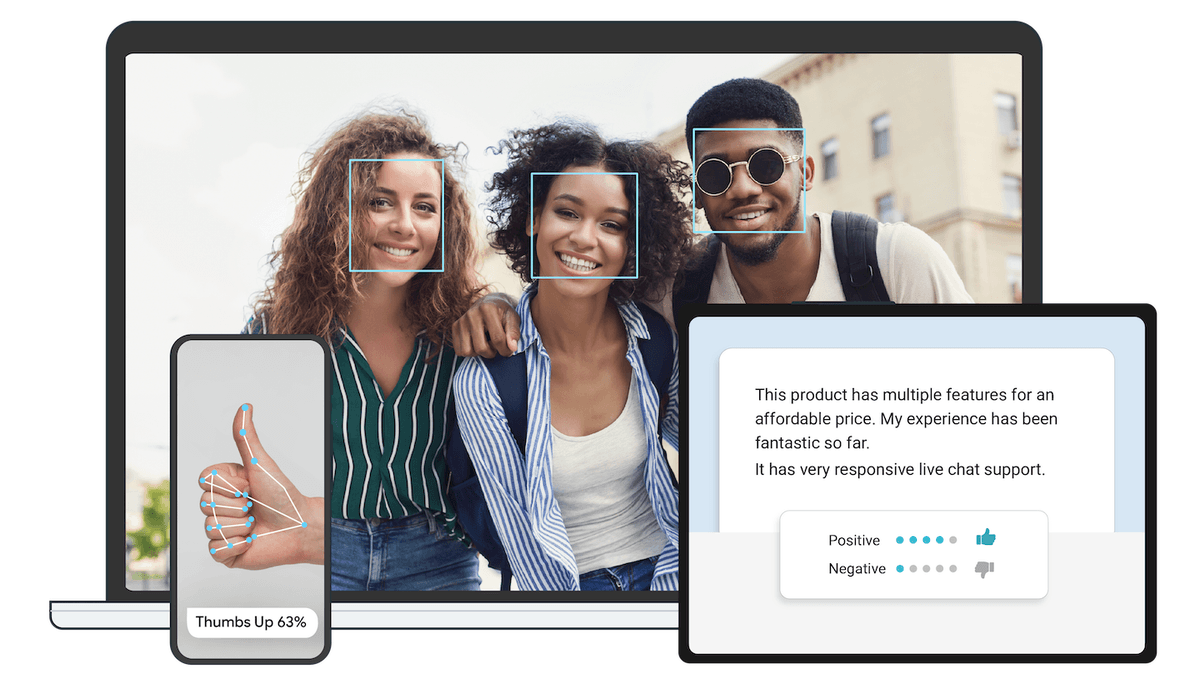
Takeaways
- MediaPipe v0.10.35 adds Android NPU acceleration with JIT compilation, closing the gap with iOS accelerators.
- MediaPipe Task files now work inside Vite web workers, unblocking modern frontend build pipelines.
- Continued migration of core calculators to API3, MediaPipe's newer graph-authoring interface.
- iOS CocoaPods now ship as Frameworks instead of static libraries for cleaner Swift integration.
- LLM converter gains fixes to blockwise int4 quantization and a configurable
apply_srqoverride. - Framework remains free and Apache 2.0, drop-in upgrade for existing users.
Google's on-device ML team just tagged MediaPipe v0.10.35, the latest cut of the cross-platform framework that powers real-time vision, audio, and language pipelines on phones, laptops, and browsers. The headline change: Android developers can push inference onto NPUs using just-in-time compilation, alongside a batch of framework migrations to the newer API3 graph builder and a smoother path for using MediaPipe Tasks inside Vite web projects.
MediaPipe is Google's open source framework for shipping machine learning features across mobile (Android, iOS), web, desktop, edge devices, and IoT. It sits under the Google AI Edge umbrella and exposes prebuilt Tasks for hand tracking, pose estimation, face landmarks, segmentation, text and audio classification, and on-device LLM inference. This release is a maintenance drop rather than a new solution launch, but several items deserve attention if you run production pipelines on it.
NPU acceleration lands on Android
The most consequential entry in the changelog enables NPU acceleration with JIT compilation. Neural processing units are the dedicated tensor accelerators shipping in modern Snapdragon, Tensor, and MediaTek SoCs. Until now, most MediaPipe workloads on Android leaned on CPU (XNNPACK) or GPU (OpenGL/OpenCL) backends. Adding NPU delegation with runtime compilation means models can target vendor accelerators without a separate offline conversion pass, closing the gap with iOS Core ML and reducing battery drain for always-on features like segmentation or gesture recognition.