The dev toolchain is getting a serious upgrade on both ends. Zed hits 1.0 after five years built on Rust and GPU rendering, no Electron in sight. Meanwhile Microsoft open-sources TRELLIS.2, turning a single photo into a game-ready 3D asset in seconds.
The pattern? Raw performance is back in fashion. We're done apologizing for slow tools.
With Gemma 4 on Apple Silicon, Qwen at 120 tok/s, and reasoning tokens cut 11x, local-first is winning.
|
|
Together with
|
·
|

|
|
|
|

|
Today's Author
Lior Alexander. Founder of AlphaSignal and former ML Engineer. Previously built ML systems at Iguazio, Guesty, Enphase, Mila.
|
|
Top Repo
|
|
|
|
Warp goes open-source with GPT-powered agents handling code and testing
|
|
7,162 Likes
|
|
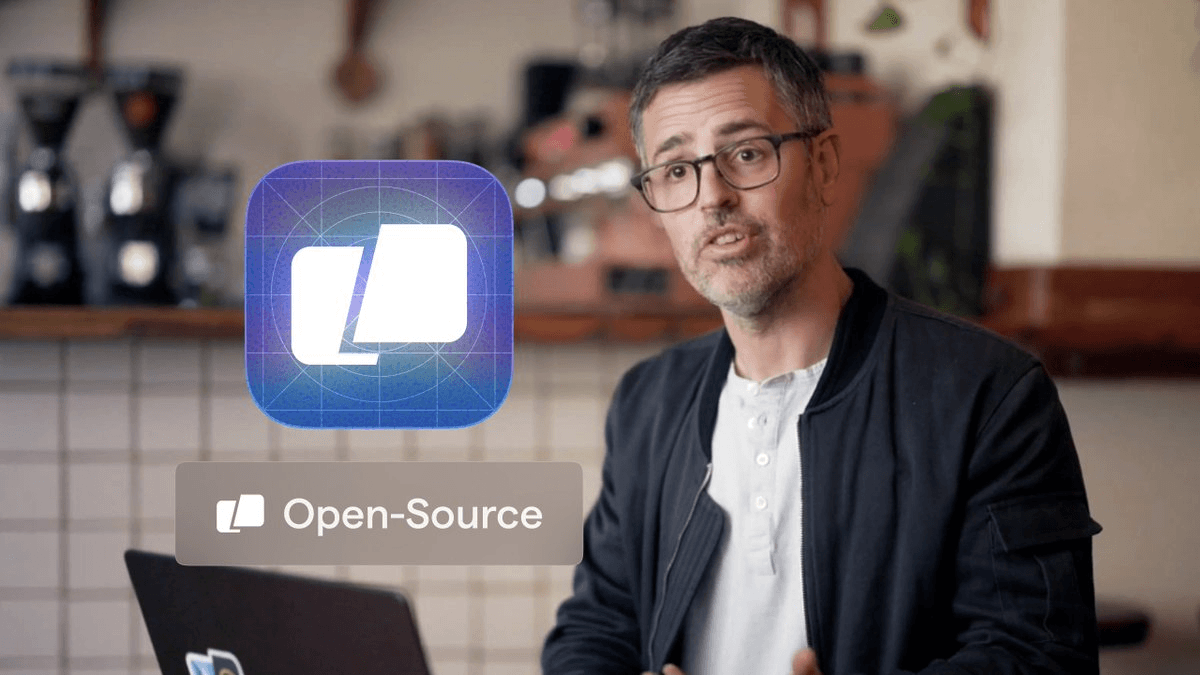
Warp, the AI-powered terminal, just went open source. The full Rust codebase is now on GitHub under an AGPL v3 license, with the UI framework separately under MIT. The repo hit 40k stars almost immediately. Here's what makes this different from a normal open source drop: you don't just submit a PR and wait. The contribution model is agent-first. Oz, Warp's cloud agent system that runs multiple AI coding agents in parallel, handles the actual coding, planning, and testing. Your job is to bring the ideas and verify the output. Think of it as directing a robot dev team. What you can actually do now: - Audit and fork the full terminal codebase
- Submit feedback and open GitHub issues directly from Warp using the new /feedback skill
- Bring your own agent: Claude Code, Codex, or Gemini CLI all work inside Warp
- Build locally with ./script/bootstrap and ./script/run
OpenAI is the founding sponsor, powering the agentic workflows with GPT models. Start with CONTRIBUTING.md.
|
|
|
|
Presented by Lambda
|
|
Improve your Model FLOPS Utilization by >25%
|
|
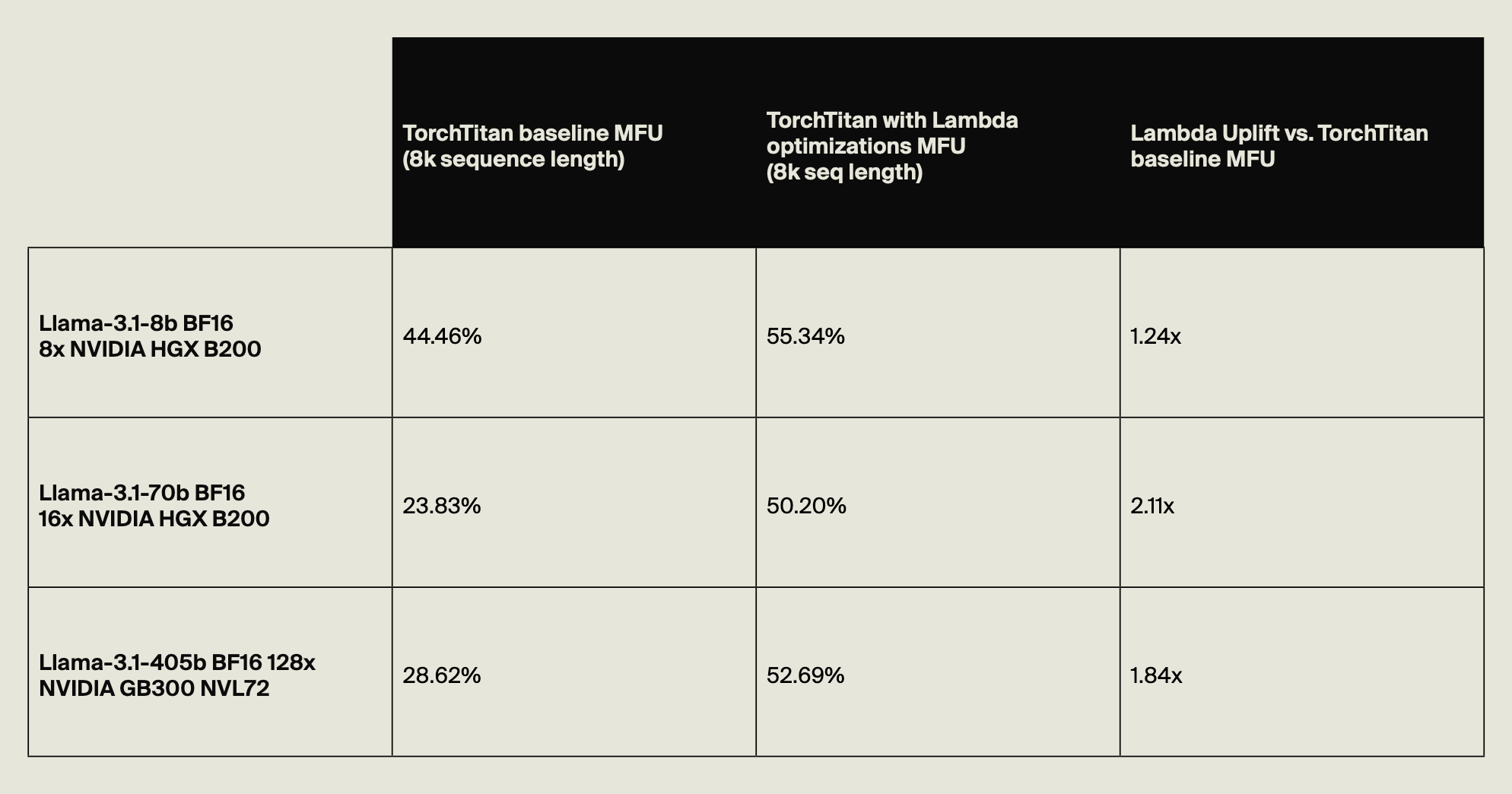
Most large-scale training runs operate at 35–45% Model FLOPS Utilization (MFU). You're paying for twice the compute you're using. Lambda's engineers benchmarked Llama 3.1 models from 8B to 405B on NVIDIA Blackwell GPUs and traced efficiency loss to its root causes: - Memory overhead
- Parallelism strategy
- Serialized communication
The result: a reproducible framework that pushed MFU past 60% (25%+ improvement vs. industry benchmark) with no changes to model architecture.
|
|
|
|
Top News
|
|
|
|
Zed releases 1.0 of its Rust-built code editor for Mac, Windows, and Linux
|
|
3,199 Likes
|
|
Zed just hit 1.0. Five years, a million lines of code, and over a thousand shipped versions later, the editor is finally out of zero. So what actually is Zed? It's a code editor built from scratch in Rust, using the GPU to render your UI the same way a video game would. That means it's genuinely fast, not just "fast for an editor." No Electron, no browser engine underneath. Here's what you get out of the box: - Git integration, SSH remoting, and a debugger
- Run multiple AI agents in parallel while you code
- Connect Claude, Codex, or OpenCode directly into your workflow
- Real-time collaboration with teammates, built into the editor itself
- Works on Mac, Windows, and Linux
If you tried Zed before and left because something was missing, now's the time to revisit. They ship updates every week, and 1.0 just means it's ready for daily use.
|
|
|
|
Presented by Speechmatics
|
|
agent.listen() - but who's talking?
|
|
Your agent hears the conversation but can't attribute speakers. Speechmatics gives you real-time diarization and speaker lock via API - 55+ languages, 25% better accuracy than #2, sub-second latency. One integration. Every voice gets a name.
|
|
|
|
Top Model
|
|
|
|
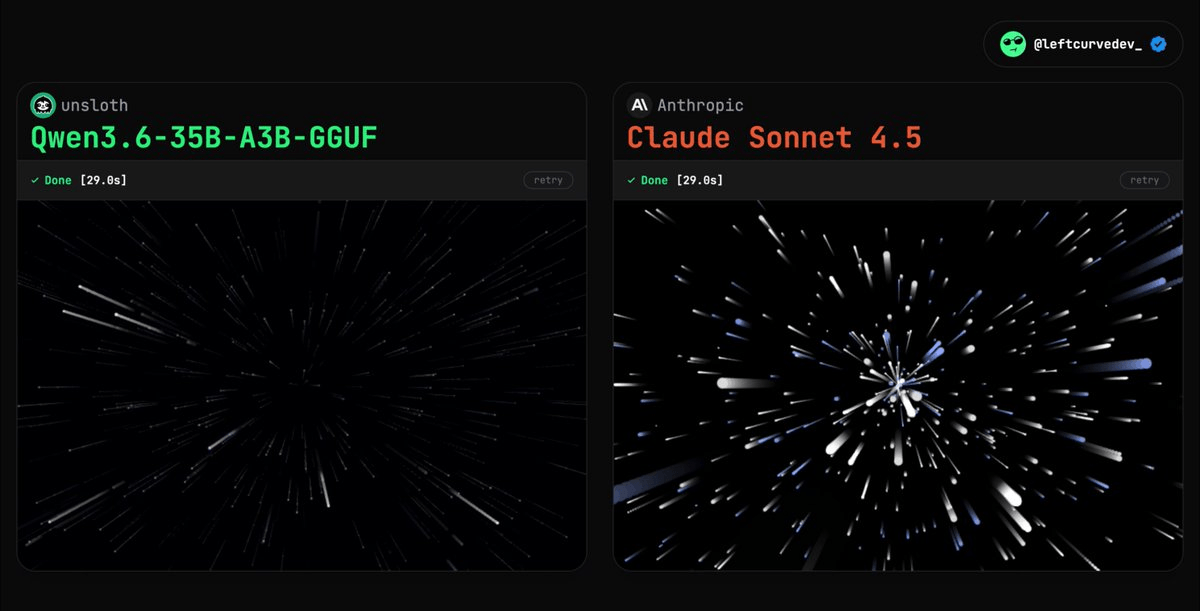
Qwen runs locally on an RTX 5080 at 120 tok/s, finishing tasks in 17 seconds
|
|
1,863 Likes
|
|
Qwen3.6-35B-A3B just dropped as a free, open-weight model from Alibaba, and people are already running it faster than Claude on consumer hardware. Here is what makes it interesting. It uses a Mixture of Experts design, meaning it has 35 billion total parameters but only activates 3 billion per response. Think of it like a team of 256 specialists where only 9 show up to each task. You get big-model quality at small-model speed. What it opens up for you: - 262K native context, extendable to 1 million tokens via a scaling trick called YaRN
- Scored 51.5 on Terminal-Bench 2.0, beating every model in the comparison including Qwen3.5-27B at 41.6
- Agentic coding: handles full repo reasoning, frontend workflows, and tool calling out of the box
- Runs at 100-120 tokens per second on a single RTX 5080 using the Unsloth GGUF quantized version
Grab it via
unsloth/Qwen3.6-35B-A3B-GGUF
on HuggingFace. Apache 2.0 license, so no strings attached.
|
|
|
At Alpha Signal, our mission is to build a sharp, engaged community focused on AI, machine learning, and cutting-edge language models, helping over 200,000 developers stay informed and ahead. We're passionate about curating the best in AI, from top research and trending technical blogs to expert insights and tailored job opportunities. We keep you connected to the breakthroughs and discussions that matter, so you can stay in the loop without endless searching. We also work closely with partners who value the future of AI, including employers and advertisers who want to reach an audience as passionate about AI as we are.
Our partnerships are based on shared values of ethics, responsibility, and a commitment to building a better world through technology.Privacy is a priority at Alpha Signal. Our Privacy Policy clearly explains how we collect, store, and use your personal and non-personal information. By using our website, you accept these terms, which you can review on our website. This policy applies across all Alpha Signal pages, outlining your rights and how to contact us if you want to adjust the use of your information. We're based in the United States. By using our site, you agree to be governed by U.S. laws.
|
|
|
Looking to promote your company, product, service, or event to 250,000+ AI developers?
|
|
|
|
|
