|
Hey,
Your daily briefing is ready. You can finally take a break from the AI firehose.
Our algos spent the night splitting signal from noise and pulled the top news, models, papers, and repos.
Here’s the must-read:
|

|
Today's Author
Lior Alexander. Founder of AlphaSignal and former ML Engineer.
Previously built ML systems at Iguazio, Guesty, Enphase, Mila.
|
|
Top News
|
|
|
|
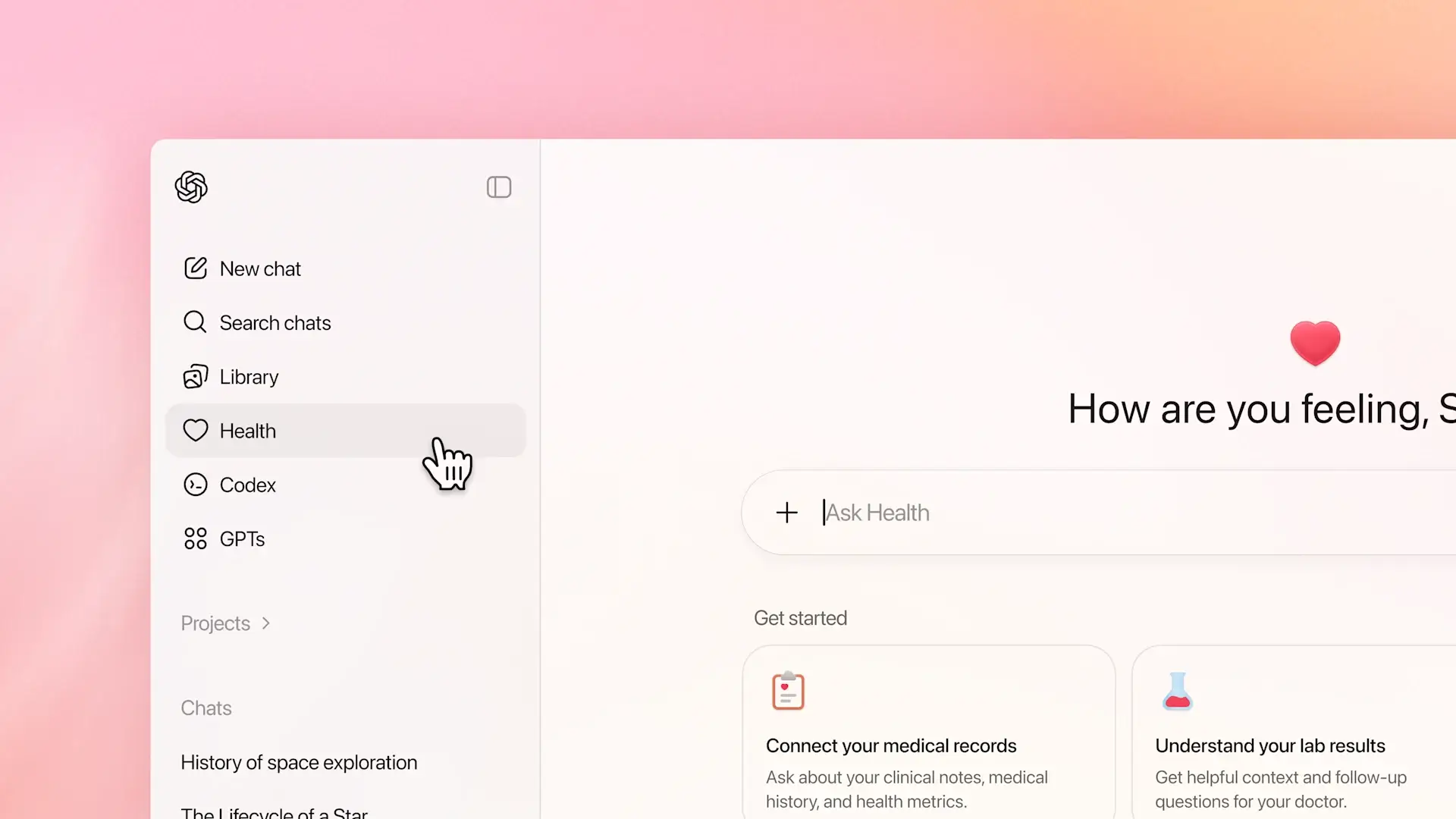
OpenAI debuts ChatGPT Health, an isolated environment supporting medical records, apps, and structured retrieval
|
|
12,694 Likes
|
|
Health questions already rank among the most common ChatGPT uses, with 230 million weekly users, but answers often lack personal context.
ChatGPT Health changes that by letting you bring your own medical and wellness data into a controlled workspace. The core shift is architectural: Health runs as an isolated environment with its own memory and data paths.
Health focuses on understanding, not diagnosis. You use it to review lab trends, prepare for appointments, compare insurance plans, or plan diet and exercise using connected data.
You access it directly from the ChatGPT sidebar once enabled, then connect records, apps, or files.
Key features
-
Dedicated Health workspace with separate storage, memory, and retrieval paths
-
Direct connections to U.S. medical records, Apple Health, and major wellness apps
-
Support for files, PDFs, images, search, voice, and deep research
-
One-way contextual flow from standard chats into Health only
Evaluation and scope
-
Internal HealthBench with 260+ physicians across 60 countries
-
600,000+ physician feedback events across 30 clinical domains
Availability
-
Access starts through a waitlist inside ChatGPT
-
Available to Free, Go, Plus, and Pro plans
-
Not available in the EEA, Switzerland, or the UK at launch
-
Medical record integrations are U.S.-only
-
Apple Health connectivity requires iOS
|
|
|
|
Top News
|
|
|
|
Anthropic ships Claude Code update, adding dynamic skills, stronger agent recovery, and cleaner permissions
|
|
7,386 Likes
|

|
Claude Code 2.1.x ships as a major update to Anthropic’s open-source terminal coding agent. The release includes 1,096 commits across agent execution, skills, permissions, and CLI behavior.
The most notable change lets agents continue execution after denied tool permissions instead of stopping.
The key idea is simple: agents should adapt instead of failing. Claude Code now treats agent work as recoverable and modular, not fragile.
What changed
-
Agents continue after denied tool permissions and try alternative execution paths.
-
Forked sub-agents run parallel tasks using copied context, not shared state.
-
Skills hot-reload from disk without restarting the session.
-
Hooks attach directly to agents and skills for scoped pre- and post-tool logic.
-
Shift+Enter adds multiline input with no terminal configuration.
-
Wildcard Bash permissions match real command structure, including flags.
|
|
|
Presented by Agent Field AI
Run AI Agents Like Microservices with AgentField
Run agents like microservices, distributed, observable, governable.
AgentField adds REST APIs, async orchestration, memory, and cryptographic identity with verifiable audit trails. Kubernetes-style control plane for production AI. |
|
|
Top Lecture
|
|
|
|
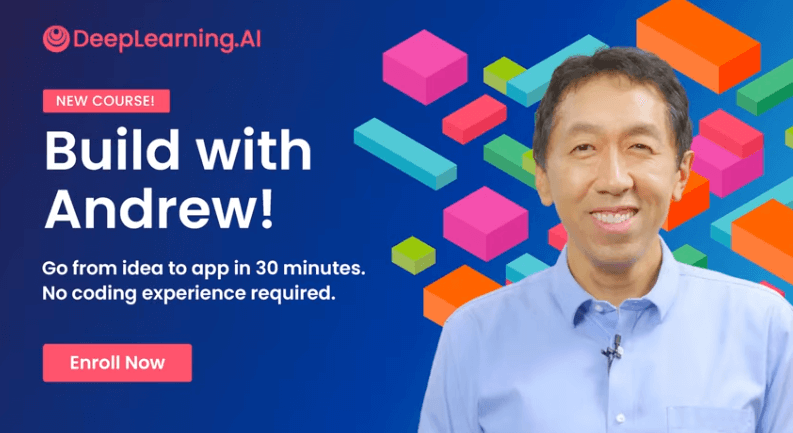
Andrew Ng launches a beginner course teaching anyone to build web apps through AI prompting
|
|
3,986 Likes
|
|
Many people want to build apps but stall at syntax, tooling, and setup. The course introduces a different starting point, describe what you want in plain language and let an AI generate the code.
The core idea is prompt-driven development. Instead of writing JavaScript or HTML, you tell an AI what the app should do, observe the result, then ask for changes.
In under 30 minutes, you build and modify real browser-based apps. The course stays tool-agnostic and works with ChatGPT, Gemini, or Claude.
What you build
-
A browser-based interactive birthday message app that runs entirely on the frontend
-
A second small app, such as a simple game, using the same workflow
What you learn
-
Describe app behavior, layout, and inputs using natural language prompts
-
Generate and modify frontend code through conversational iteration
-
Debug broken behavior by explaining issues and requesting fixes
-
Reuse a repeatable process across different app ideas
The course targets beginners but gives engineers a clear view of prompt-first app creation in practice.
|
|
|
At Alpha Signal, our mission is to build a sharp, engaged community focused on AI, machine learning, and cutting-edge language models, helping over 200,000 developers stay informed and ahead. We’re passionate about curating the best in AI, from top research and trending technical blogs to expert insights and tailored job opportunities. We keep you connected to the breakthroughs and discussions that matter, so you can stay in the loop without endless searching. We also work closely with partners who value the future of AI, including employers and advertisers who want to reach an audience as passionate about AI as we are.
Our partnerships are based on shared values of ethics, responsibility, and a commitment to building a better world through technology.Privacy is a priority at Alpha Signal. Our Privacy Policy clearly explains how we collect, store, and use your personal and non-personal information. By using our website, you accept these terms, which you can review on our website. This policy applies across all Alpha Signal pages, outlining your rights and how to contact us if you want to adjust the use of your information. We’re based in the United States. By using our site, you agree to be governed by U.S. laws.
|
|
|
Looking to promote your company, product, service, or event to 250,000+ AI developers?
|
|
|
|
|
