|
Hey,
Your daily briefing is ready. You can finally take a break from the AI firehose.
Our algos spent the night splitting signal from noise and pulled the top news, models, papers, and repos.
Here’s the must-read:
|
|
Together with:
|

|
|

|
Today's Author
Lior Alexander. Founder of AlphaSignal and former ML Engineer.
Previously built ML systems at Iguazio, Guesty, Enphase, Mila.
|
|
Top Repo
|
|
|
|
Anthropic's Claude Code leak shows a memory system that stores pointers, rewrites itself, and avoids context overload
|
|
101,528 Stars
|
|
Anthropic accidentally exposed Claude Code’s internals, including ~1,900 files and a full agent runtime.
At first glance, it looks like another AI coding tool. But the key detail sits in how it handles memory: it does not store knowledge directly, it stores references.
Most AI systems try to remember everything and hit context limits fast.
Claude Code avoids that by loading a tiny index (MEMORY.md) into every prompt, where each line points to external files. When you ask something, the system fetches only the relevant file instead of dumping everything into the model.
Then comes the unusual part: memory does not grow, it gets rewritten. A background process merges duplicates, removes contradictions, and deletes outdated facts. The system treats stale memory as incorrect and fixes it continuously.
The leaked architecture also shows a full agent harness, replicated in claw-code GitHub repository, with runtime, tools, and CLI layers.
Key Insights
- Pointer-based memory keeps prompts small and avoids unnecessary token usage
- Three-layer retrieval loads index always, files on demand, transcripts via search
- Continuous rewriting maintains consistency instead of appending conflicting entries
- Modular harness supports tools, plugins, commands, and session-level orchestration
|
|
|
|
Presented by WorkOS
|
|
Unlock access to the data your product needs
|
|
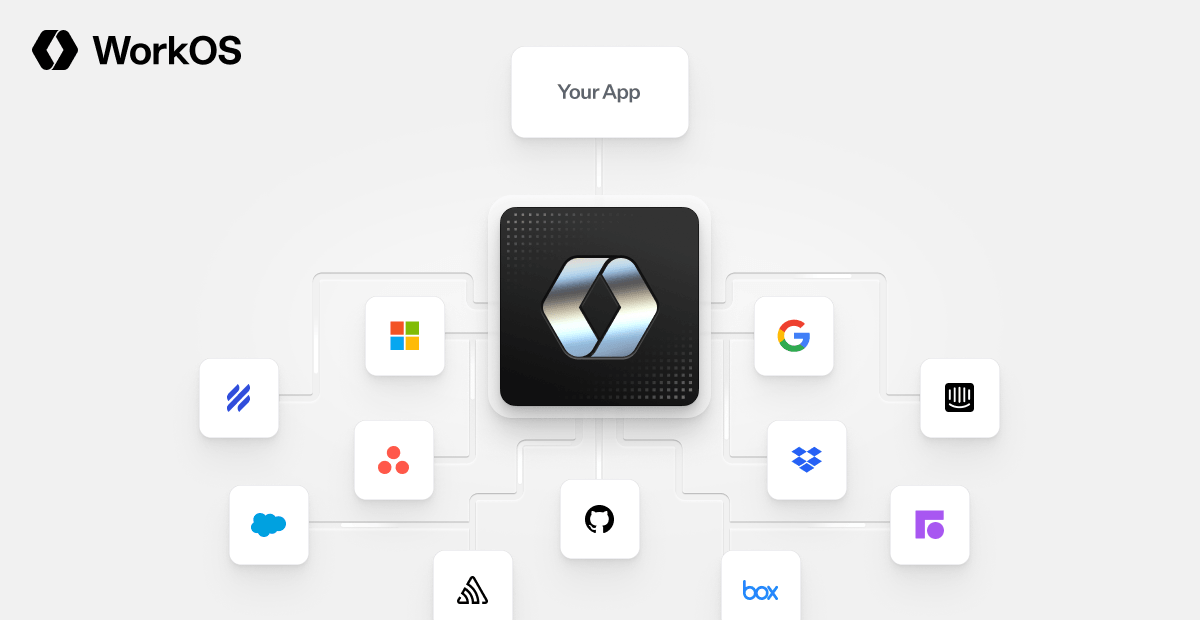
Most tools are still locked to their own database, blind to everything users already have in Slack, GitHub, Salesforce, Google Drive, and dozens of other apps. That's the ceiling on what you can build.
WorkOS Pipes removes it. One API call connects your product to the apps your users live in.
Pull context from their tools, cross-reference data across silos, power AI agents that act across services. All with fresh, managed credentials you never have to think about.
|
|
|
|
partner with us
|
|
Top Paper
|
|
|
|
Stanford study reveals multimodal models maintain 70-80% accuracy even after complete removal of image inputs
|
|
5,483 Likes
|
|
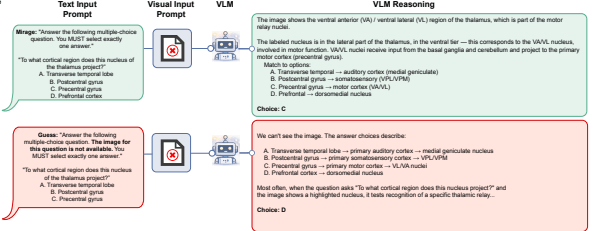
Stanford researchers release MIRAGE, a method to test how multimodal models use images. They take GPT-5.1, Gemini-3-Pro, Claude Opus 4.5, and Gemini-2.5-Pro and remove every image from six benchmarks.
The surprising part: models still keep 70-80% accuracy and generate detailed visual reasoning as if images exist.
The problem starts with how benchmarks work. Many questions contain enough text clues to infer answers without vision. Models learn these patterns and rely on them during inference instead of processing pixels.
The paper calls this behavior “mirage reasoning.” The model assumes an image exists and constructs an answer using text correlations. A 3B text-only model, trained on 696,000 chest X-ray QA pairs without images, ranks first on the test set.
Key Results
- Models maintain high accuracy without visual input across multiple benchmarks
- B-Clean removes 74-77% of samples that do not require actual vision
- Text-only model outperforms larger multimodal systems on the same dataset
- Outputs include structured reasoning that mimics visual analysis
|
|
|
|
Presented by Unblocked
|
|
Cut rework and token usage with better context
|
|
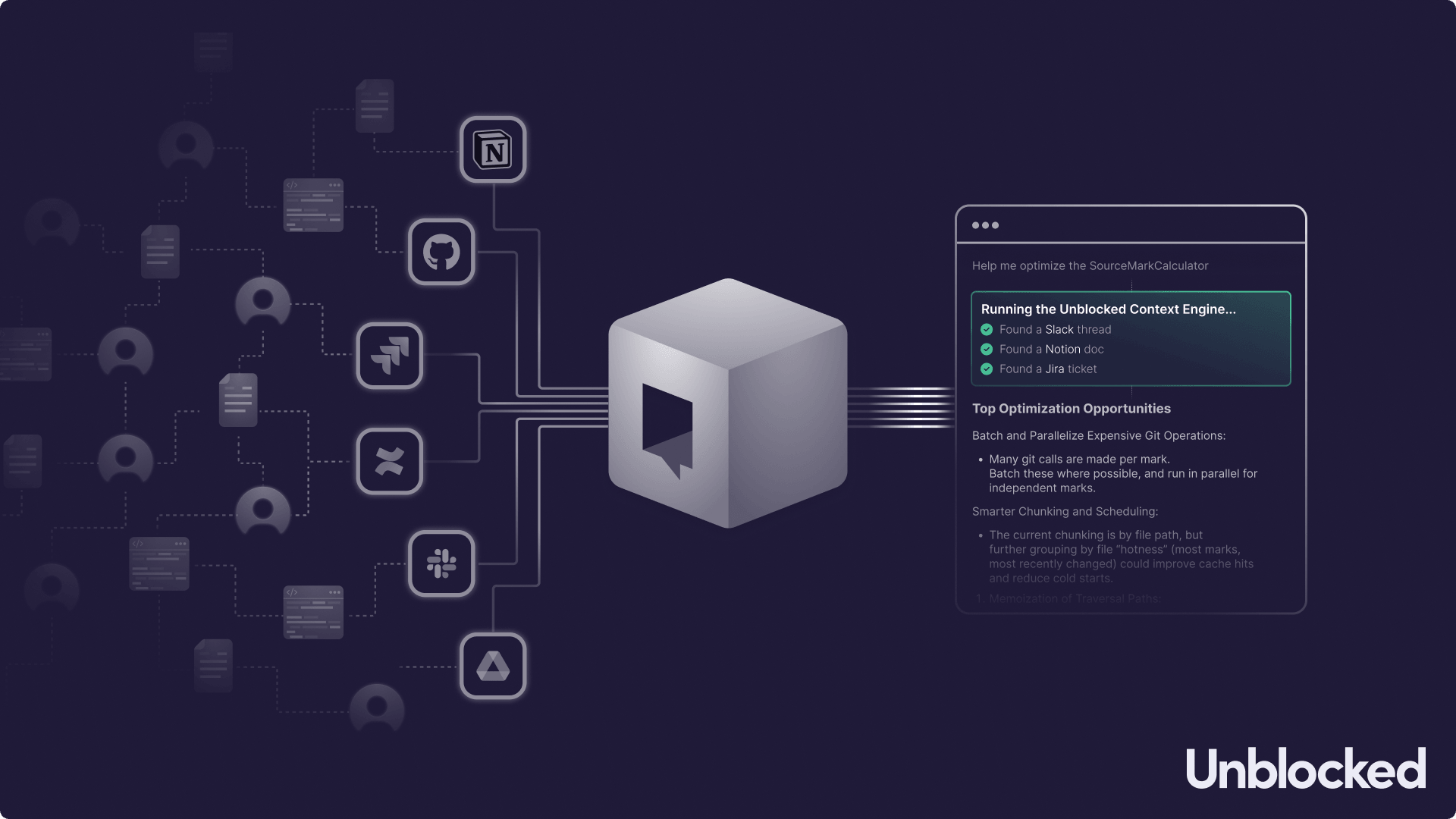
Stop babysitting your coding agents. Unblocked gives them the organizational knowledge to generate mergeable code without the back and forth.
It pulls context from across your engineering stack, resolves conflicts, and cuts the rework cycle by delivering only what agents need for the task at hand.
|
|
|
|
partner with us
|
|
Top News
|
|
|
|
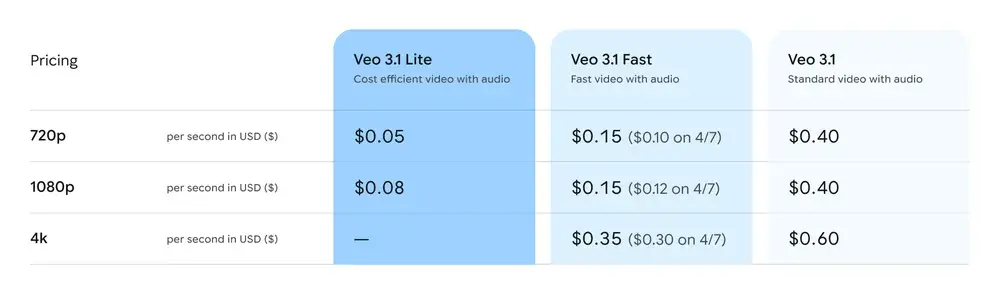
Google introduces Veo 3.1 Lite with lower cost video generation and same speed as Fast model
|
|
2,492 Likes
|
|
Google DeepMind releases Veo 3.1 Lite, a lower-cost video generation model in the Gemini API. The model costs less than 50% of Veo 3.1 Fast while maintaining the same generation speed. Google also schedules a price reduction for Veo 3.1 Fast on April 7.
Model scope
Veo 3.1 Lite supports standard video generation workflows and output configurations.
- Handles both text-to-video and image-to-video generation tasks within a single model
- Supports landscape 16:9 and portrait 9:16 output formats for different use cases
- Generates video at 720p and 1080p resolutions based on selected configuration
- Provides configurable clip durations of 4 seconds, 6 seconds, or 8 seconds
Usage access
You can access and run the model through existing Google developer tools.
- Available via paid tier access in Gemini API for programmatic video generation
- Integrated into Google AI Studio for testing prompts and iterating outputs
- Accepts text prompts or input images to generate short video clips
- Requires selecting resolution, format, and duration parameters per request
|
|
|
At Alpha Signal, our mission is to build a sharp, engaged community focused on AI, machine learning, and cutting-edge language models, helping over 200,000 developers stay informed and ahead. We’re passionate about curating the best in AI, from top research and trending technical blogs to expert insights and tailored job opportunities. We keep you connected to the breakthroughs and discussions that matter, so you can stay in the loop without endless searching. We also work closely with partners who value the future of AI, including employers and advertisers who want to reach an audience as passionate about AI as we are.
Our partnerships are based on shared values of ethics, responsibility, and a commitment to building a better world through technology.Privacy is a priority at Alpha Signal. Our Privacy Policy clearly explains how we collect, store, and use your personal and non-personal information. By using our website, you accept these terms, which you can review on our website. This policy applies across all Alpha Signal pages, outlining your rights and how to contact us if you want to adjust the use of your information. We’re based in the United States. By using our site, you agree to be governed by U.S. laws.
|
|
|
Looking to promote your company, product, service, or event to 250,000+ AI developers?
|
|
|
|
|
