|
Hey,
Your daily briefing is ready. You can finally take a break from the AI firehose.
Our algos spent the night splitting signal from noise and pulled the top news, models, papers, and repos.
Here’s the must-read:
|
|
Together with:
|

|
|

|
Today's Author
Lior Alexander. Founder of AlphaSignal and former ML Engineer.
Previously built ML systems at Iguazio, Guesty, Enphase, Mila.
|
|
Top News
|
|
|
|
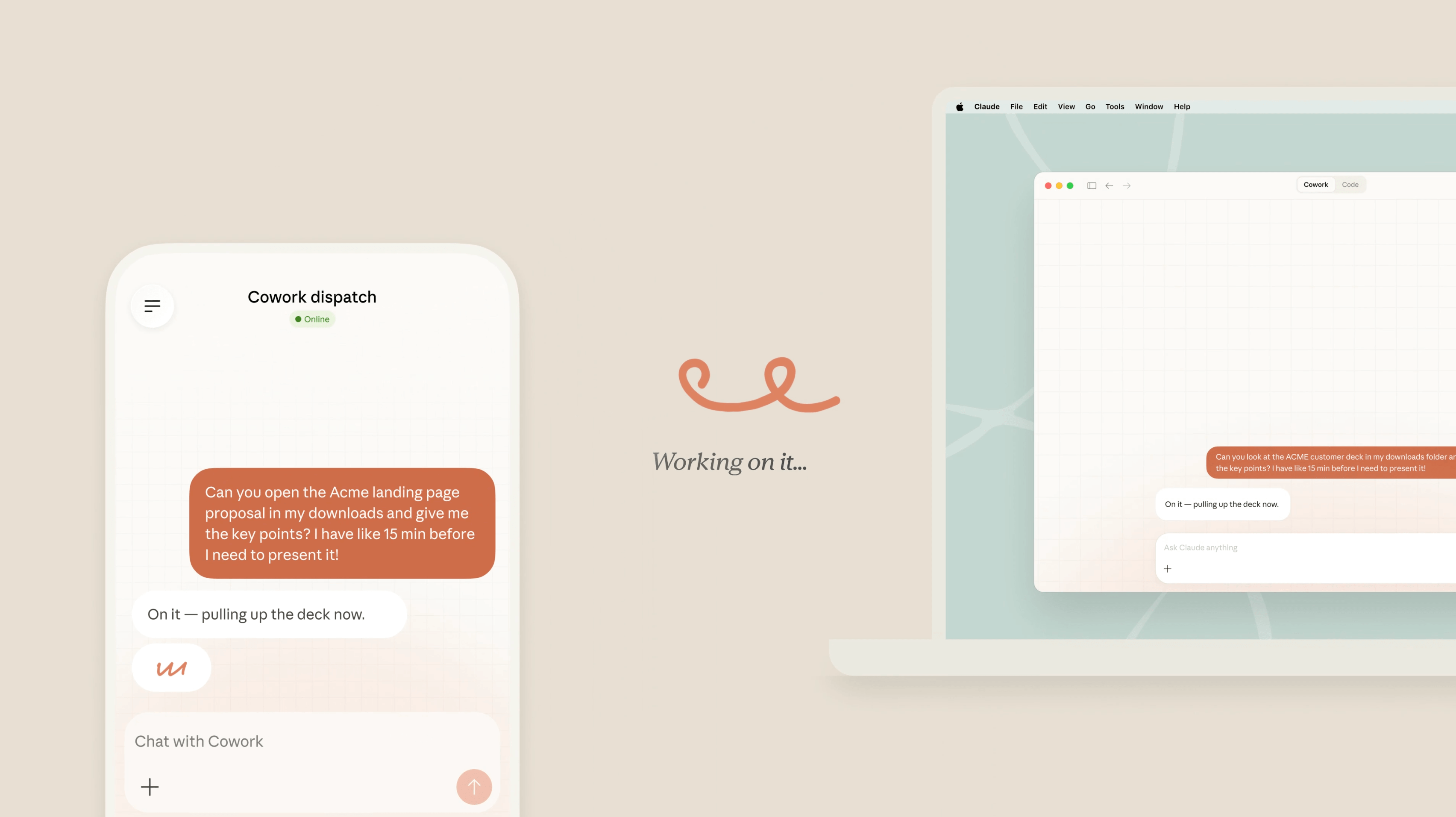
Anthropic launches Dispatch, enabling persistent Claude sessions that run locally and accept tasks from your phone
|
|
19,352 Likes
|
|
The setup solves a common gap in AI workflows: starting tasks on one device and waiting for results without staying at your desk. Dispatch turns your desktop into a continuously running agent that executes work and sends updates back.
The idea is simple. A persistent session means Claude does not reset after each request. It keeps context, runs tasks over time, and interacts with your local tools and files.
A sandbox is an isolated environment where code runs safely without affecting the rest of your system.
Key features and results
-
Maintain a persistent Claude session that continues tasks without resetting conversation context
-
Send tasks from mobile and receive progress updates while execution runs remotely
-
Execute code, browse, and access local files directly on your computer
-
Require explicit approval before Claude performs actions on files or tools
-
Keep all processing local through a sandboxed runtime environment
How to use it
-
Install Claude Desktop and the mobile app, then pair both devices
-
Start a task from your phone and leave your desktop running
-
Review updates and approve actions as Claude completes the workflow
|
|
|
|
Presented by AgentField
|
|
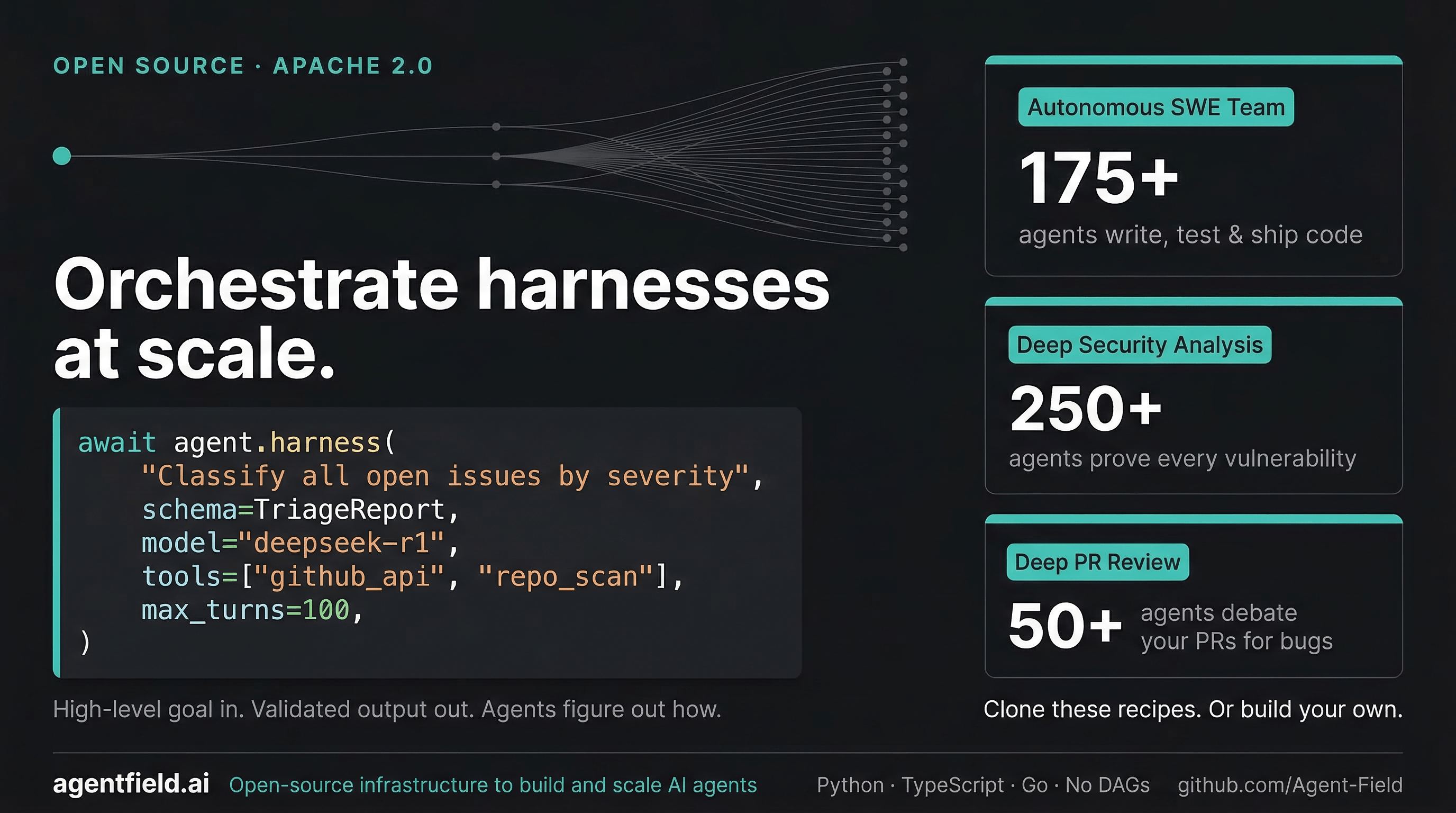
Clone a 175-agent engineering team. Open source.
|
|
Open-source infrastructure purpose-built for production AI agents and harnesses.
Build agents like API services - discover each other at runtime, coordinate autonomously. SDKs in Python, TypeScript & Go. No DAGs, no glue code, no unwanted abstractions.
Production examples you can clone and adapt today:
High-level goal in. Validated output out.
Each orchestrates hundreds of agents. Open source. Runs on any model.
|
|
|
|
partner with us
|
|
Top News
|
|
|
|
OpenAI shows GPT-5.4 mini reaches near flagship performance while running more than 2× faster
|
|
5,621 Likes
|
|
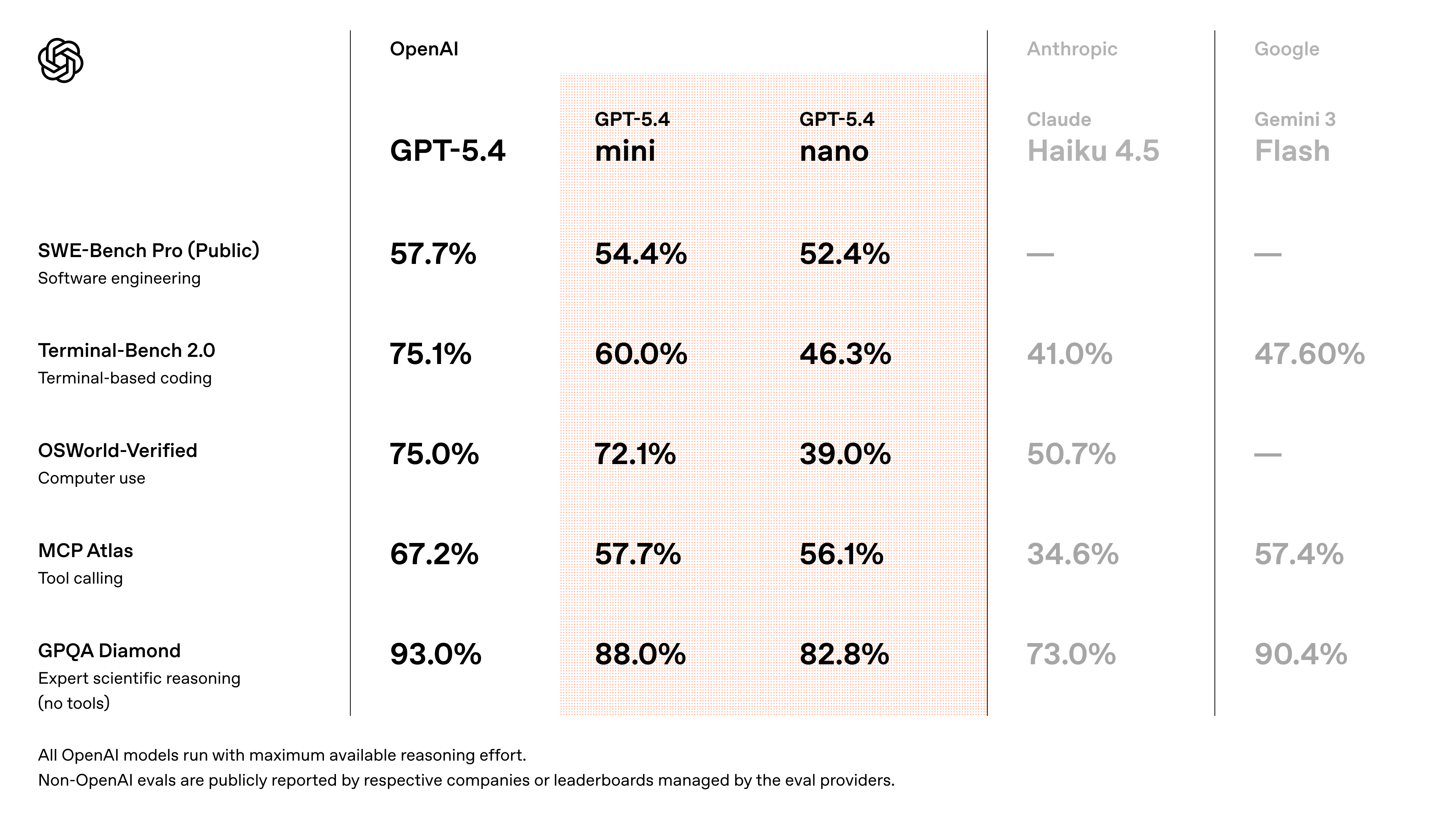
OpenAI releases GPT-5.4 mini and nano, two smaller models built for fast coding and agent workflows. They bring GPT-5.4-level capabilities into systems where latency and cost matter, especially for subagents that handle repeated or parallel tasks.
The key point: GPT-5.4 mini gets close to flagship performance while running more than 2× faster, which changes how you design multi-model systems.
You can use these models inside agent pipelines. A larger model plans the task, and mini or nano executes smaller steps like searching code, editing files, or extracting data. This setup reduces cost and speeds up execution.
Key features and results
-
GPT-5.4 mini scores 54.4% SWE-Bench Pro, close to GPT-5.4 at 57.7%
-
Runs 2× faster than GPT-5 mini with higher coding and tool performance
-
Improves tool use: 42.9% Toolathlon vs 26.9% in previous mini model
-
Handles UI tasks: 72.1% OSWorld-Verified, supports screenshot-based reasoning
-
GPT-5.4 nano targets simple tasks with lower cost and high throughput
How to use it
-
Use mini for coding tasks, debugging loops, and tool-based workflows
-
Use nano for classification, extraction, and lightweight subagent tasks
-
Combine with a larger model for planning and final decision steps
|
|
|
|
Presented by Lambda
|
|
Cut your AI training costs by 25% or more
|

|
Most large-scale AI training runs use less than half the computing power they're paying for. Lambda's team found the root causes and built a reproducible framework that boosted efficiency by over 25%, without changing the model itself.
Lambda’s whitepaper shows you how to address:
-
Memory inefficiencies silently inflating your costs
-
Training configurations that aren't making full use of your hardware
-
Bottlenecks that slow down GPU communication
|
|
|
|
partner with us
|
|
Top News
|
|
|
|
Mistral releases Forge, enabling enterprises to train AI models on proprietary data using full training pipelines
|
|
1,796 Likes
|
|
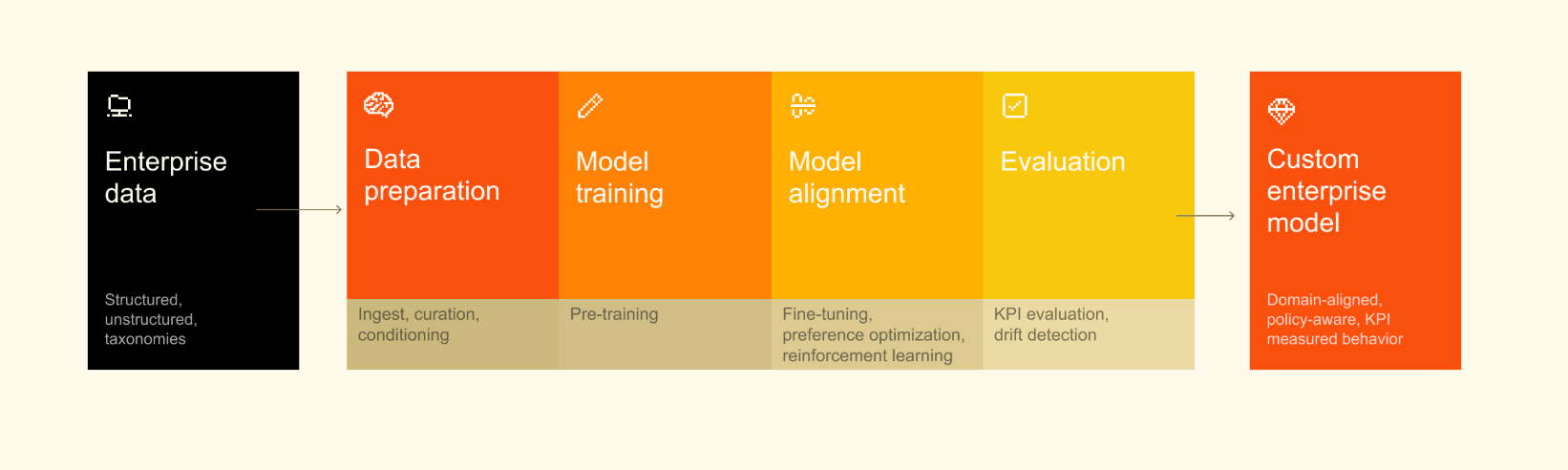
Mistral introduces Forge, a system that lets you build AI models using your company’s internal data instead of public datasets.
It exposes full training pipelines with pre-training (learn from scratch), post-training (adapt behavior), and reinforcement learning (improve with feedback). You run everything on your own infrastructure, so your data never leaves your environment.
What it does
Forge replaces generic models with systems that understand your internal workflows and terminology.
-
Trains models on codebases, documents, logs, and structured enterprise data
-
Aligns outputs with internal policies, rules, and evaluation metrics
-
Supports dense and mixture-of-experts models for cost and latency tradeoffs
-
Handles multimodal inputs like text, images, and structured datasets
How to use it
You run training pipelines and iterate using automated workflows.
-
Set up GPU infrastructure and load internal datasets for training pipelines
-
Use agents to tune hyperparameters, schedule jobs, and generate synthetic data
-
Define internal benchmarks to evaluate model performance before deployment
-
Update models continuously using feedback from real workflows and evaluations
|
|
|
At Alpha Signal, our mission is to build a sharp, engaged community focused on AI, machine learning, and cutting-edge language models, helping over 200,000 developers stay informed and ahead. We’re passionate about curating the best in AI, from top research and trending technical blogs to expert insights and tailored job opportunities. We keep you connected to the breakthroughs and discussions that matter, so you can stay in the loop without endless searching. We also work closely with partners who value the future of AI, including employers and advertisers who want to reach an audience as passionate about AI as we are.
Our partnerships are based on shared values of ethics, responsibility, and a commitment to building a better world through technology.Privacy is a priority at Alpha Signal. Our Privacy Policy clearly explains how we collect, store, and use your personal and non-personal information. By using our website, you accept these terms, which you can review on our website. This policy applies across all Alpha Signal pages, outlining your rights and how to contact us if you want to adjust the use of your information. We’re based in the United States. By using our site, you agree to be governed by U.S. laws.
|
|
|
Looking to promote your company, product, service, or event to 250,000+ AI developers?
|
|
|
|
|
