|
Hey,
Your daily briefing is ready. You can finally take a break from the AI firehose.
Our algos spent the night splitting signal from noise and pulled the top news, models, papers, and repos.
Here’s the must-read:
|
|
Together with:
|

|
|

|
Today's Author
Lior Alexander. Founder of AlphaSignal and former ML Engineer.
Previously built ML systems at Iguazio, Guesty, Enphase, Mila.
|
|
Top News
|
|
|
|
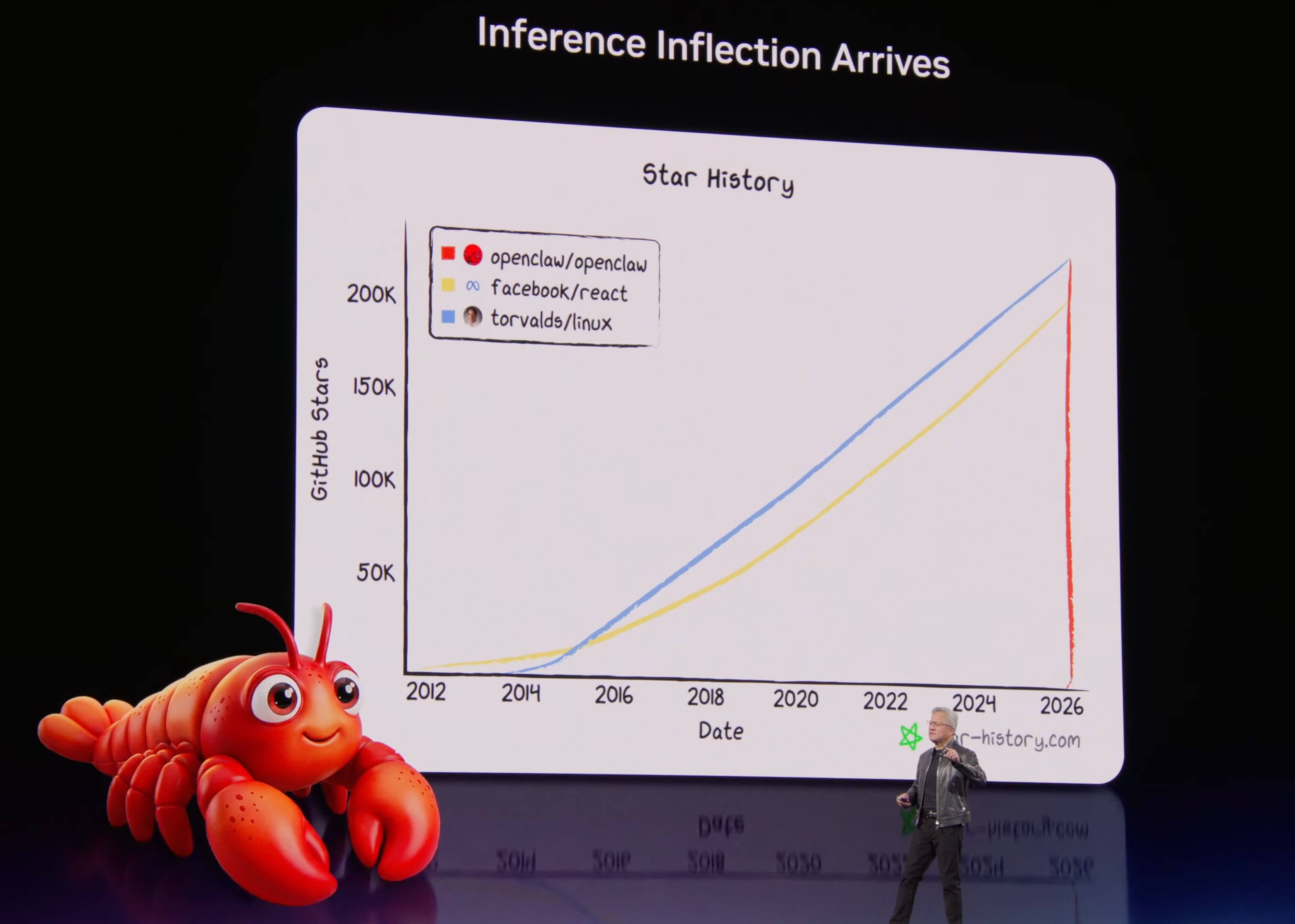
NVIDIA unveils open NemoClaw to run OpenClaw agents with a single-command runtime across local and cloud models
|
|
7,206 Likes
|
|
Running autonomous agents usually requires manual setup across models, tools, and environments, with no consistent way to control where data flows.
NemoClaw addresses this by installing OpenShell, a runtime that routes inference between local GPUs and cloud models using defined policies.
The key idea is simple. You run agents on your own hardware when needed and use external models only when required. A privacy router decides where each request executes, based on rules you define.
OpenShell acts as the execution layer that manages tools, model calls, and runtime behavior.
Key features and usage
-
Installs OpenShell runtime and NVIDIA Agent Toolkit in one command
-
Routes inference between local Nemotron models and cloud models using policies
-
Runs on RTX PCs, RTX PRO workstations, and DGX systems for continuous execution
-
Integrates with OpenClaw agents through standard interfaces and APIs
Availability
NemoClaw is available in early preview with limited stability.
|
|
|
|
Presented by WorkOS
|
|
How to Test Non-Deterministic AI Agents
|
|
Same input. Same prompt. Different output. That's the reality of testing AI agents that write code, and most teams are shipping without solving it.
Nick Nisi from WorkOS tackled this by building eval systems for two AI tools:
The post covers how to test against real project structures, score output that's different every time, and catch when your agent makes up methods that don't exist.
|
|
|
|
partner with us
|
|
Top News
|
|
|
|
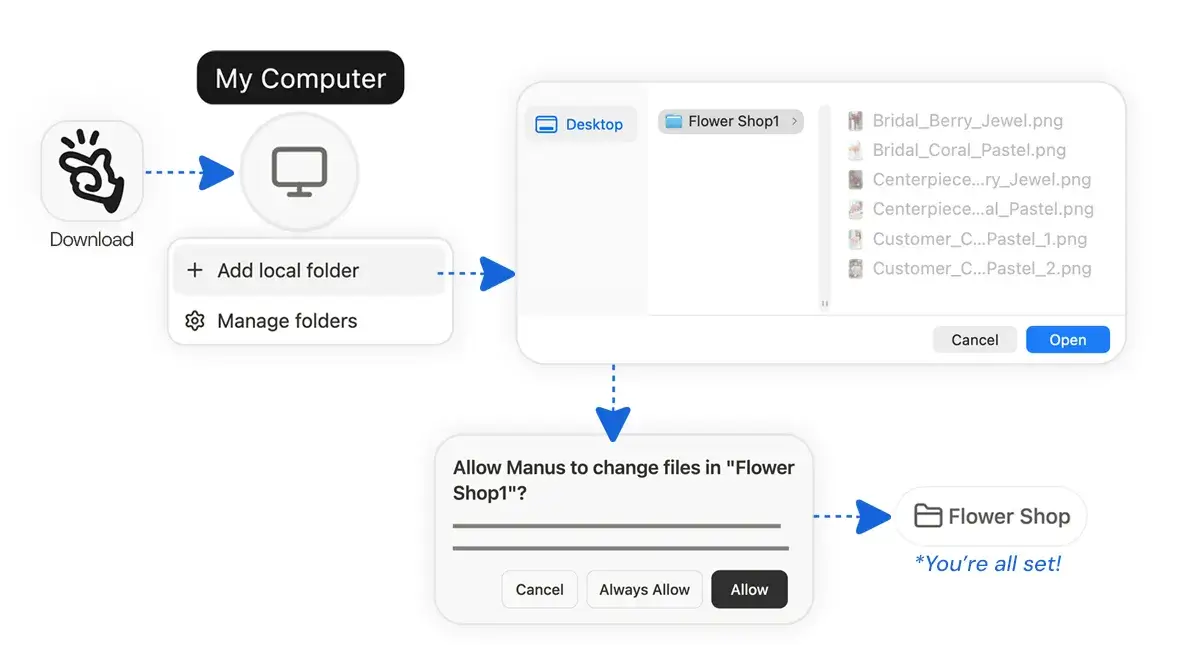
Manus moves its AI agent from cloud sandbox to local execution with the new My Computer feature
|
|
6,928 Likes
|
|
Manus introduces My Computer, a desktop feature that moves its AI agent from the cloud to your local machine.
Instead of working in a remote sandbox, the agent now runs commands directly on your computer using the command line (CLI), which is a text-based way to control your system.
This solves a key gap: most real work like, files, apps, and dev environments, now lives locally. You can now automate those workflows without moving data to the cloud.
Key features
-
Runs terminal commands to read, edit, and organize local files directly
-
Automates repetitive tasks like sorting photos or renaming large file batches
-
Builds apps end-to-end using local tools like Python, Node.js, or Swift
-
Uses local GPU and compute resources for running models or scripts
-
Connects local actions with cloud services like Gmail for combined workflows
-
Executes tasks remotely on your machine from another device
|
|
|
|
Presented by Innovating With AI
|
|
Turn AI Skills Into a 6-Figure Consultancy
|

|
AI is transforming every workplace but executives are terrified of becoming one of the companies that gets “no ROI on AI.”
That’s where you come in, and how you can build a 6-figure consultancy with Innovating with AI’s proven methods for delivering fast ROI on AI projects.
|
|
|
|
partner with us
|
|
Top News
|
|
|
|
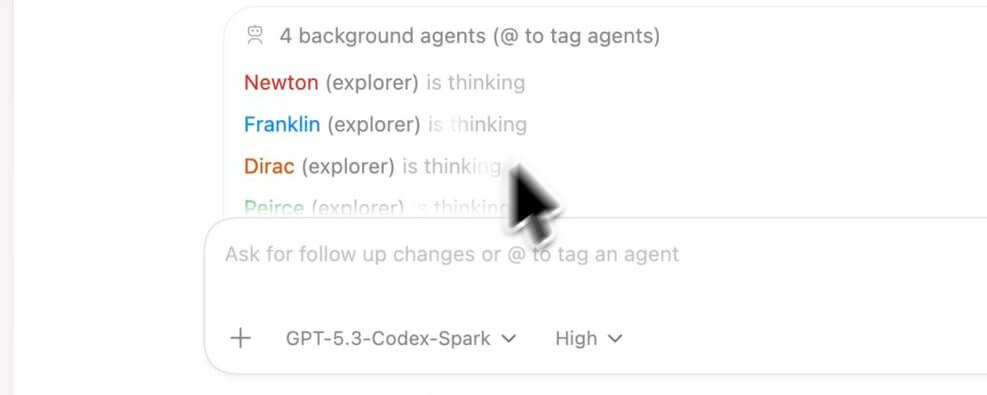
OpenAI introduces subagents in Codex, enabling parallel agents inside one coding workflow
|
|
6,611 Likes
|
|
Each agent runs independently with its own instructions and tools, then Codex combines their outputs. This addresses context overload in long tasks by splitting work into smaller, isolated roles that run in parallel.
Subagents work like separate workers handling different parts of the same task. Instead of one agent doing everything, you assign focused roles such as exploring code, reviewing logic, or verifying APIs.
Each agent processes only its assigned scope, which reduces context mixing and keeps outputs structured.
Key features
-
Parallel execution across agents handling independent subtasks within the same Codex session
-
Isolated context per agent prevents interference between exploration, validation, and implementation steps
-
Custom agents defined in TOML files with specific instructions and model configurations
-
Shared sandbox and permissions ensure consistent execution environment across all agents
-
Increased token usage since each agent runs its own model and tool operations
|
|
|
At Alpha Signal, our mission is to build a sharp, engaged community focused on AI, machine learning, and cutting-edge language models, helping over 200,000 developers stay informed and ahead. We’re passionate about curating the best in AI, from top research and trending technical blogs to expert insights and tailored job opportunities. We keep you connected to the breakthroughs and discussions that matter, so you can stay in the loop without endless searching. We also work closely with partners who value the future of AI, including employers and advertisers who want to reach an audience as passionate about AI as we are.
Our partnerships are based on shared values of ethics, responsibility, and a commitment to building a better world through technology.Privacy is a priority at Alpha Signal. Our Privacy Policy clearly explains how we collect, store, and use your personal and non-personal information. By using our website, you accept these terms, which you can review on our website. This policy applies across all Alpha Signal pages, outlining your rights and how to contact us if you want to adjust the use of your information. We’re based in the United States. By using our site, you agree to be governed by U.S. laws.
|
|
|
Looking to promote your company, product, service, or event to 250,000+ AI developers?
|
|
|
|
|
