|
Hey,
Your daily briefing is ready. You can finally take a break from the AI firehose.
Our algos spent the night splitting signal from noise and pulled the top news, models, papers, and repos.
Here’s the must-read:
|
|
Together with:
|

|
|

|
Today's Author
Lior Alexander. Founder of AlphaSignal and former ML Engineer.
Previously built ML systems at Iguazio, Guesty, Enphase, Mila.
|
|
Top News
|
|
|
|
Anthropic introduces Claude Code Security to scan repositories and suggest reviewed security patches
|
|
49,274 Likes
|
|
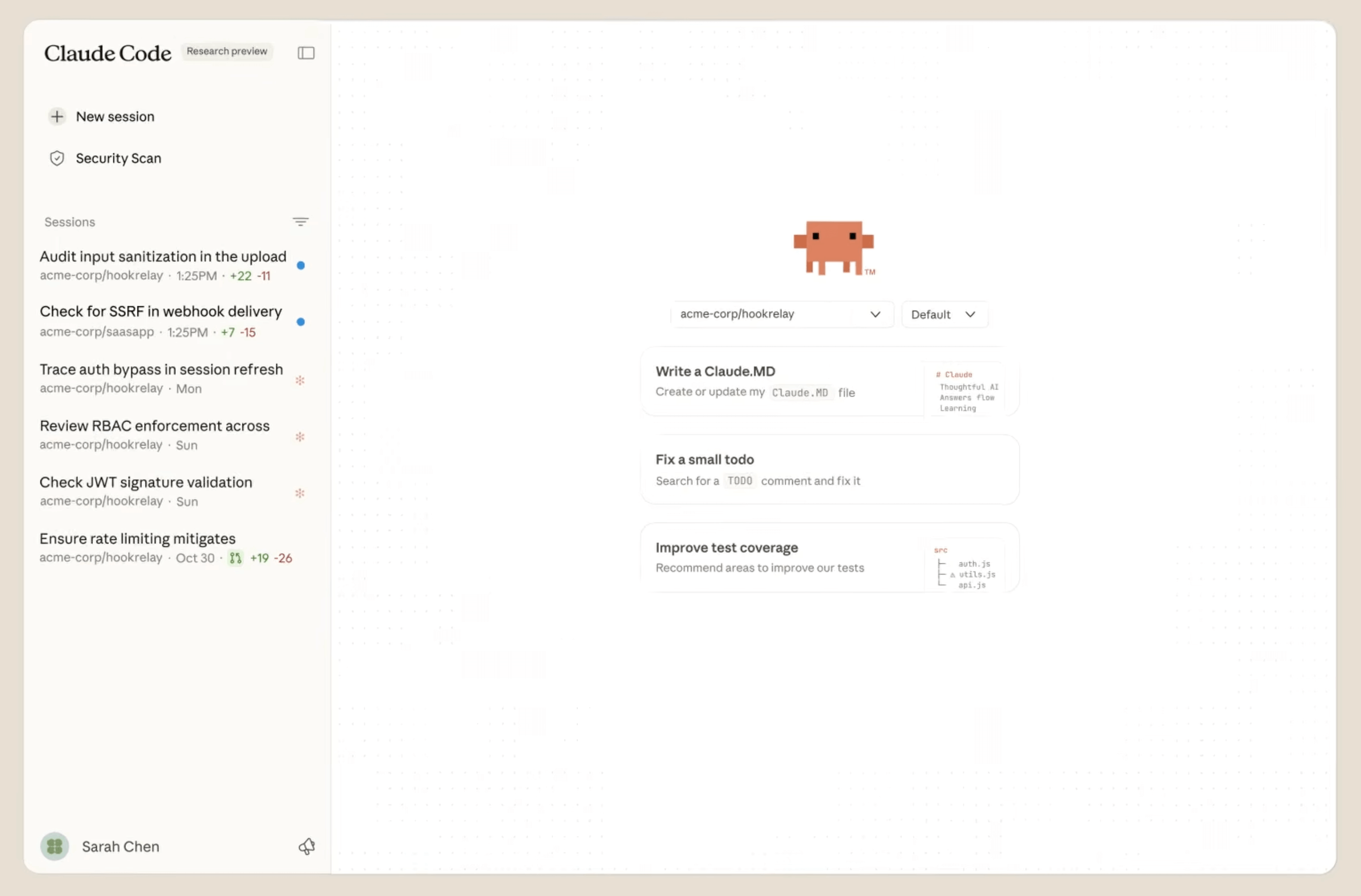
Claude Code Security is a new capability inside Claude Code on the web. It scans full codebases for security vulnerabilities and proposes targeted patches for you to review. Anthropic reports that, using Claude Opus 4.6, the system identified over 500 vulnerabilities in production open-source repositories.
Security teams often rely on static analysis tools that match code against known patterns. That approach catches common issues but misses logic flaws and broken access control.
Claude Code Security reads your repository more like a human researcher. It traces how data moves through functions and services and checks how components interact.
Key features and results:
-
Scans entire repositories, not just single files
-
Detects business logic and access control flaws
-
Verifies findings through multi-stage review
-
Assigns severity and confidence ratings
-
Suggests patches for manual approval
Access and Deployment
The preview integrates directly into existing development workflows.
|
|
|
|
Presented by Augment Code
|
|
What comes after your IDE? Intent.
|
|
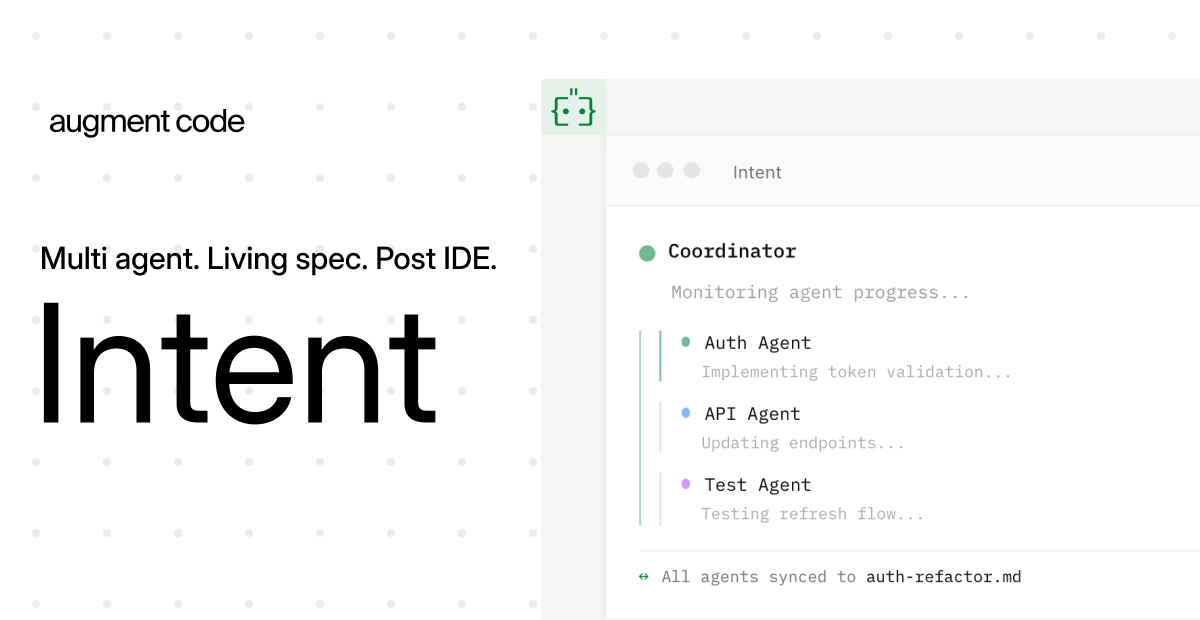
Stop herding AI agents across terminals and branches. Intent bundles each task into a single workspace with a living spec, agent notes, and full change visibility.
Orchestrate agents like a system, not a swarm: direct specialists, keep work aligned, and ship without copy-pasting context.
Works with Augment, Claude Code, Codex, or OpenCode.
|
|
|
|
partner with us
|
|
Top Paper
|
|
|
|
METR estimates Claude Opus 4.6 can handle software tasks a human expert takes 14.5 hours to complete
|
|
5,622 Likes
|
|
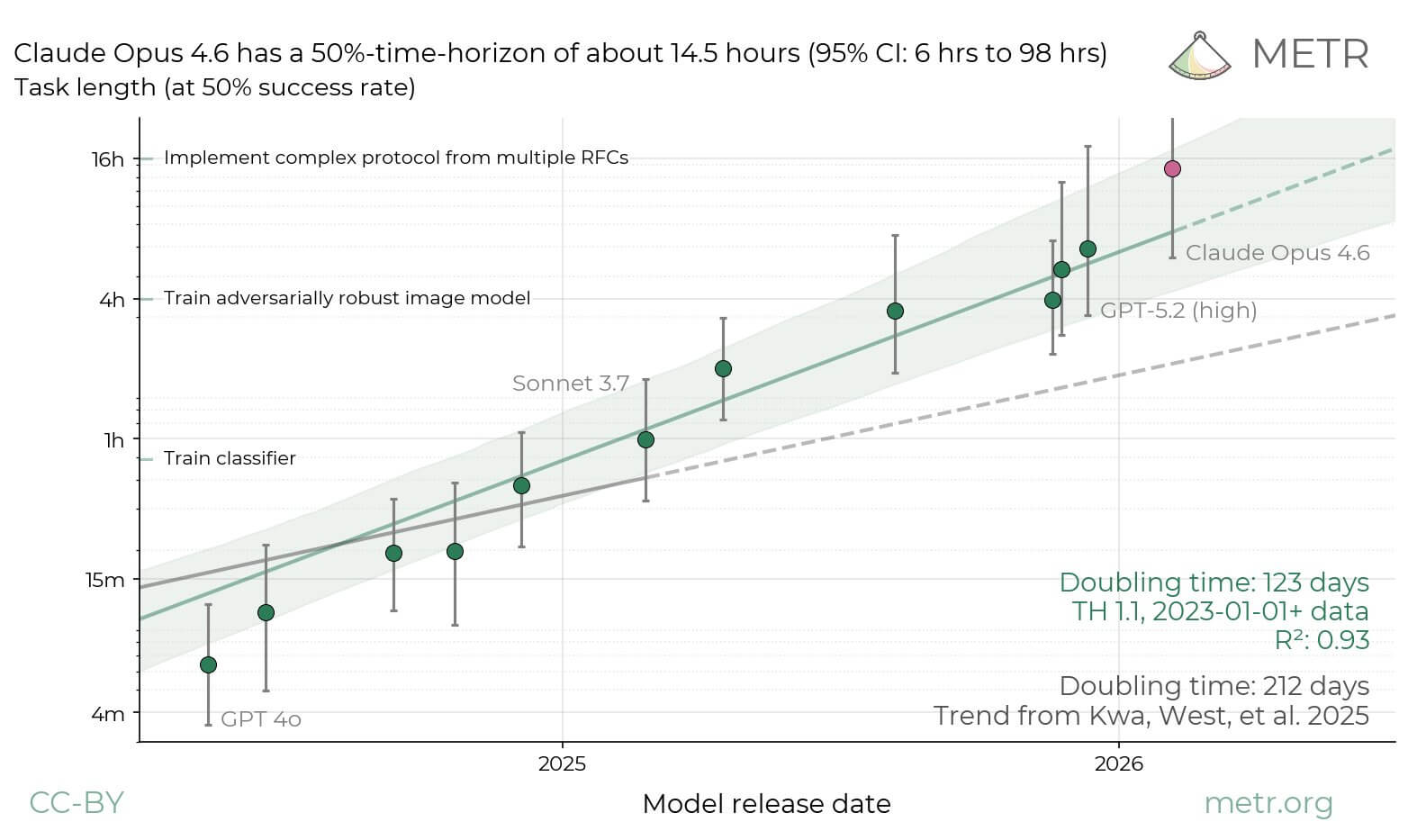
Model Evaluation & Threat Research updates its long-horizon benchmark, and Claude Opus 4.6 records a 50% time-horizon of 14.5 hours on software tasks, with a 95% confidence interval from 6 to 98 hours.
This metric estimates how long a model can complete coding tasks before its success probability drops to half. Instead of grading single responses, METR fits a statistical curve over task duration and solves for the point where performance reaches 50%.
The evaluation focuses on realistic software workflows:
-
Multi-file repository edits with structured constraints
-
Debugging and feature implementation validated by tests
-
Iterative tool use within defined task boundaries
Findings
-
Claude Opus 4.6 posts the highest horizon estimate METR has reported
-
The task suite shows near-saturation at frontier model performance levels
-
Small performance shifts create large swings in horizon estimates
-
The upper confidence bound exceeds any individual task duration
|
|
|
|
Presented by Airia
|
|
Airia Hackathon: Race Beyond the Track with Atlassian Williams F1 Team.
|

|
Join Airia’s AI Agent Hackathon ahead of the Australian Race weekend.
The Virtual AI Agent Hackathon runs February 23-March 1, giving you seven days to design autonomous AI agents that elevate the fan experience.
Top projects will be highlighted ahead of the first race weekend of 2026.
Kickoff: Feb 23 | Projects due: March 1, 11:59 PM local time.
|
|
|
|
partner with us
|
|
Top Paper
|
|
|
|
Researchers from Meta and Google propose three layers of agentic reasoning: foundational, self-evolving, and collective
|
|
1,263 Likes
|
|
Large language models answer prompts well, but they struggle when tasks require planning, memory, and coordination across steps. A joint team from University of Illinois Urbana-Champaign, Meta, Amazon, and Google DeepMind proposes a structured framework to address this gap.
The collaboration defines how to treat an LLM as an autonomous agent that plans actions, interacts with tools, updates internal state, and coordinates with other agents.
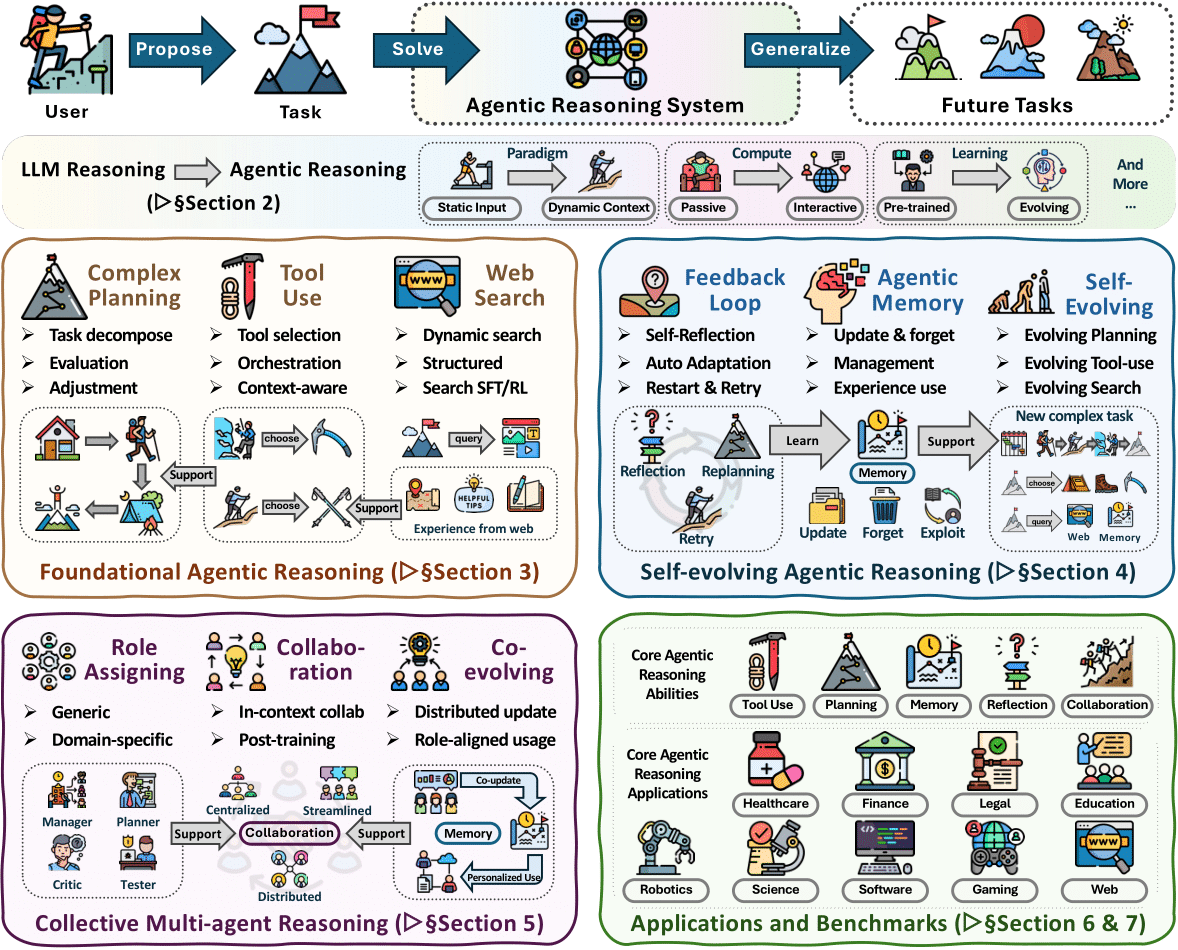
The core problem is that chain-of-thought prompting produces text, not sustained decision processes. Real systems must manage goals, execute multi-step plans, and adjust based on feedback. The researchers organize agent capability into three layers:
-
Foundational layer: structured planning, search, and tool execution
-
Self-evolving layer: memory use and feedback-driven adaptation
-
Collective layer: coordinated multi-agent reasoning toward shared goals
-
Two optimization modes: in-context structure and reinforcement-based post-training
|
|
|
At Alpha Signal, our mission is to build a sharp, engaged community focused on AI, machine learning, and cutting-edge language models, helping over 200,000 developers stay informed and ahead. We’re passionate about curating the best in AI, from top research and trending technical blogs to expert insights and tailored job opportunities. We keep you connected to the breakthroughs and discussions that matter, so you can stay in the loop without endless searching. We also work closely with partners who value the future of AI, including employers and advertisers who want to reach an audience as passionate about AI as we are.
Our partnerships are based on shared values of ethics, responsibility, and a commitment to building a better world through technology.Privacy is a priority at Alpha Signal. Our Privacy Policy clearly explains how we collect, store, and use your personal and non-personal information. By using our website, you accept these terms, which you can review on our website. This policy applies across all Alpha Signal pages, outlining your rights and how to contact us if you want to adjust the use of your information. We’re based in the United States. By using our site, you agree to be governed by U.S. laws.
|
|
|
Looking to promote your company, product, service, or event to 250,000+ AI developers?
|
|
|
|
|
