|
Hey,
Your daily briefing is ready. You can finally take a break from the AI firehose.
Our algos spent the night splitting signal from noise and pulled the top news, models, papers, and repos.
Here’s the must-read:
|
|
Together with:
|

|
|

|
Today's Author
Lior Alexander. Founder of AlphaSignal and former ML Engineer.
Previously built ML systems at Iguazio, Guesty, Enphase, Mila.
|
|
Top News
|
|
|
|
Anthropic introduces Ultraplan, enabling cloud-based planning and flexible execution across CLI and web environments
|
|
10,539 Likes
|
|
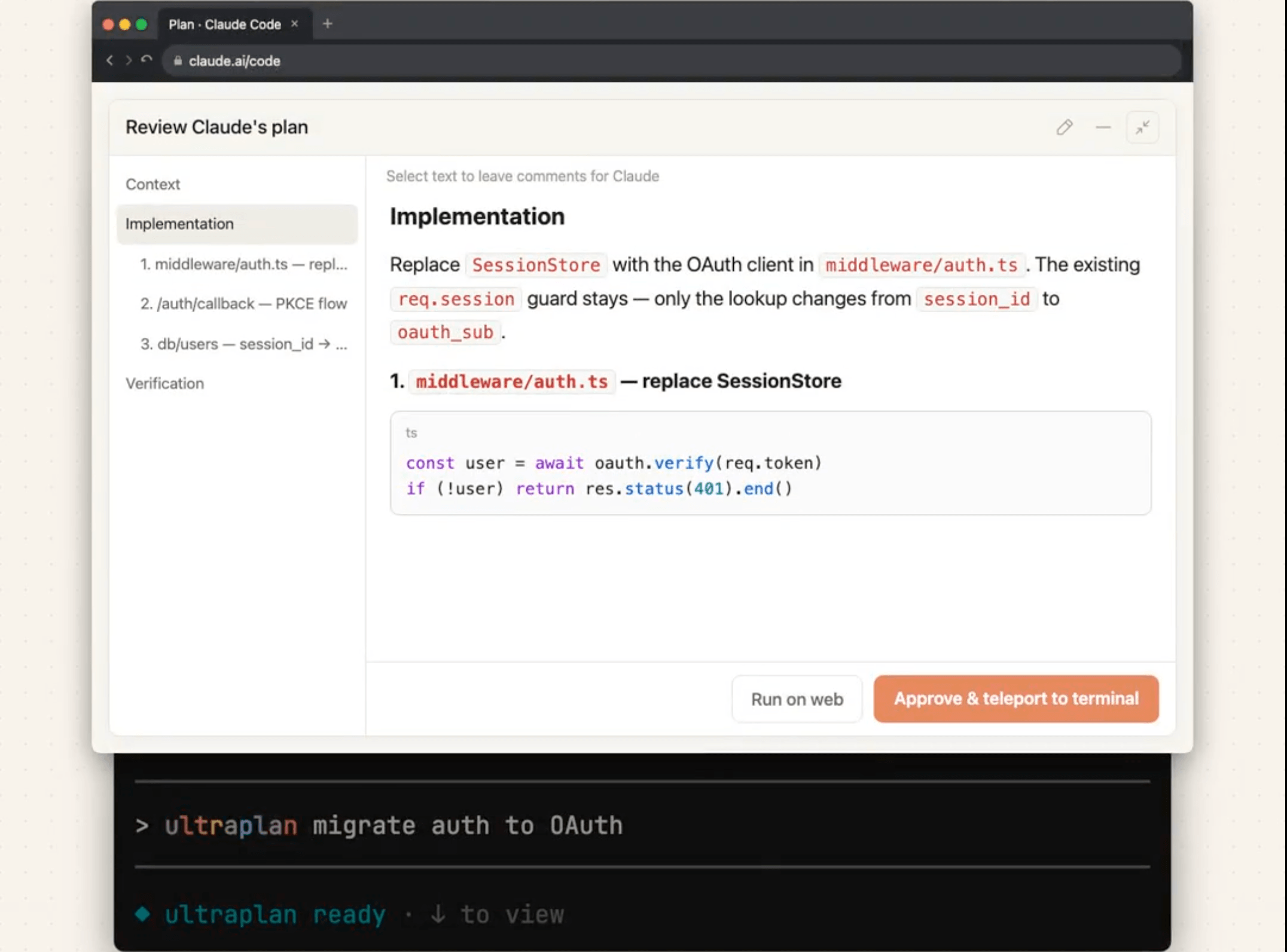
Anthropic adds ultraplan to Claude Code, a feature that moves implementation planning from your terminal to the web.
You write a task in the CLI, and Claude drafts a structured plan in a cloud session you can review in your browser. This separates planning from execution and gives you a clearer way to inspect and edit multi-step changes before running them.
Ultraplan solves a limitation of terminal-only workflows, where long plans are hard to review or revise in parts. Here, “plan mode” means Claude generates a step-by-step outline of what code changes to make.
You can comment on specific sections instead of rewriting the whole prompt, then decide where to execute the plan.
Key features
- Draft plans remotely while continuing other work in your local terminal session
- Review plans in browser with inline comments and section-level navigation tools
- Iterate on plans with targeted feedback instead of full prompt rewrites
- Execute plans in cloud session or send back to terminal for local execution
- Open pull requests directly from web after cloud execution completes
How to use it
- Run /ultraplan <task> in CLI or include “ultraplan” in your prompt
- Wait for ready status, then open the browser session link
- Review, comment, and revise plan until it matches your requirements
- Approve execution in web or return plan to terminal for local implementation
|
|
|
|
Presented by Bright Data
|
|
Most agent frameworks break on the real web
|
|
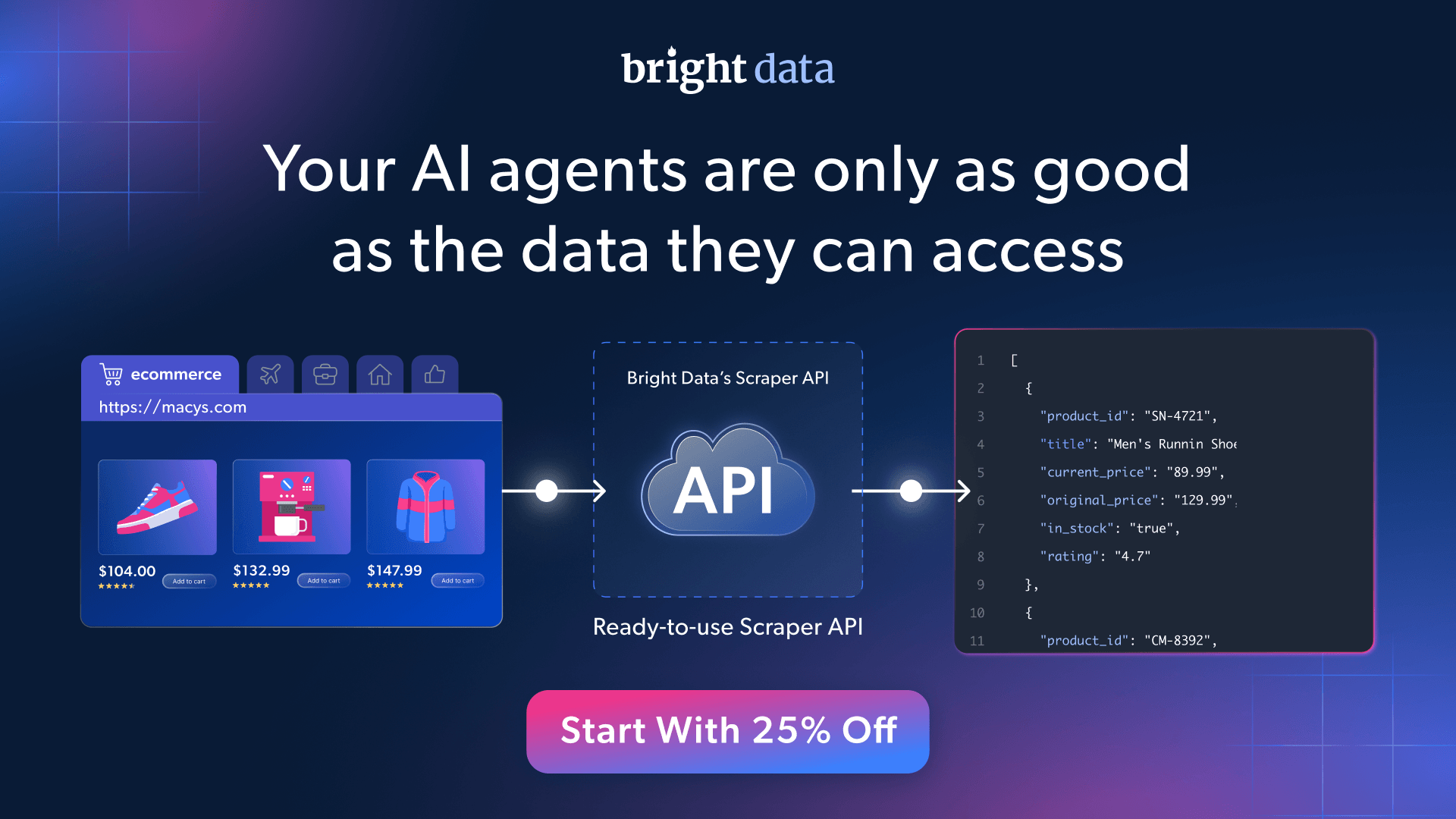
Most agent frameworks assume clean input. The real web doesn't care.
Bright Data Web Scraper API handles JavaScript-rendered pages, bot detection, CAPTCHAs, and rate limits - so you don't have to.
-
One API call → clean JSON output
-
600+ pre-built scrapers (Google, Amazon, LinkedIn & more)
-
Agent-ready: plug structured data straight into your LLM pipelines
Built for AI products that depend on reliable web intelligence.
Start scraping smarter - 25% off!
|
|
|
|
partner with us
|
|
Top Repo
|
|
|
|
Karpathy-inspired CLAUDE.md defines rules to control LLM coding behavior and reduce errors
|
|
20,349 Stars
|
|
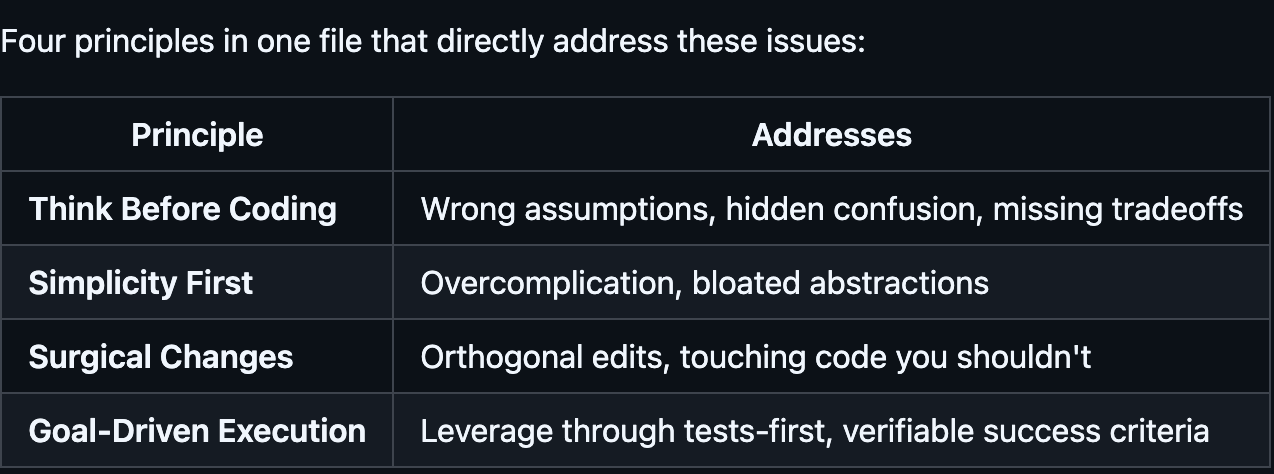
This guideline defines a single CLAUDE.md file that changes how coding models behave during development. It targets issues identified by Andrej Karpathy, such as silent assumptions, overbuilt code, and unintended edits.
The key idea is simple: replace vague prompts with clear rules and verifiable goals so the model produces predictable code.
What it does
This file acts as a control layer for LLM-driven coding workflows.
- Defines four rules that guide reasoning, coding scope, and validation steps
- Forces models to state assumptions instead of guessing missing context
- Restricts code generation to minimal implementations without extra abstractions
- Converts tasks into testable goals with clear success conditions
What problems it solves
It addresses consistent failure patterns in LLM coding systems.
- Prevents incorrect assumptions by requiring clarification before implementation begins
- Reduces overengineering by enforcing simple, minimal code solutions only
- Stops unintended edits by limiting changes strictly to requested scope
- Improves reliability by requiring explicit validation before task completion
|
|
|
|
Presented by Innovating With AI
|
|
Stop Doing Work AI Can Handle For You
|

|
Build AI agents and assistants to multiply your work and life.
The AI Executive System walks you step-by-step through building AI assistants for your professional and personal life - from a frontline "office team" to a strategic advisory council - with live coaching, proven templates, and a peer community behind you.
|
|
|
|
partner with us
|
|
Top Paper
|
|
|
|
Google develops PaperOrchestra to convert raw research notes into structured LaTeX papers using multi-agent workflows
|
|
2,836 Likes
|
|
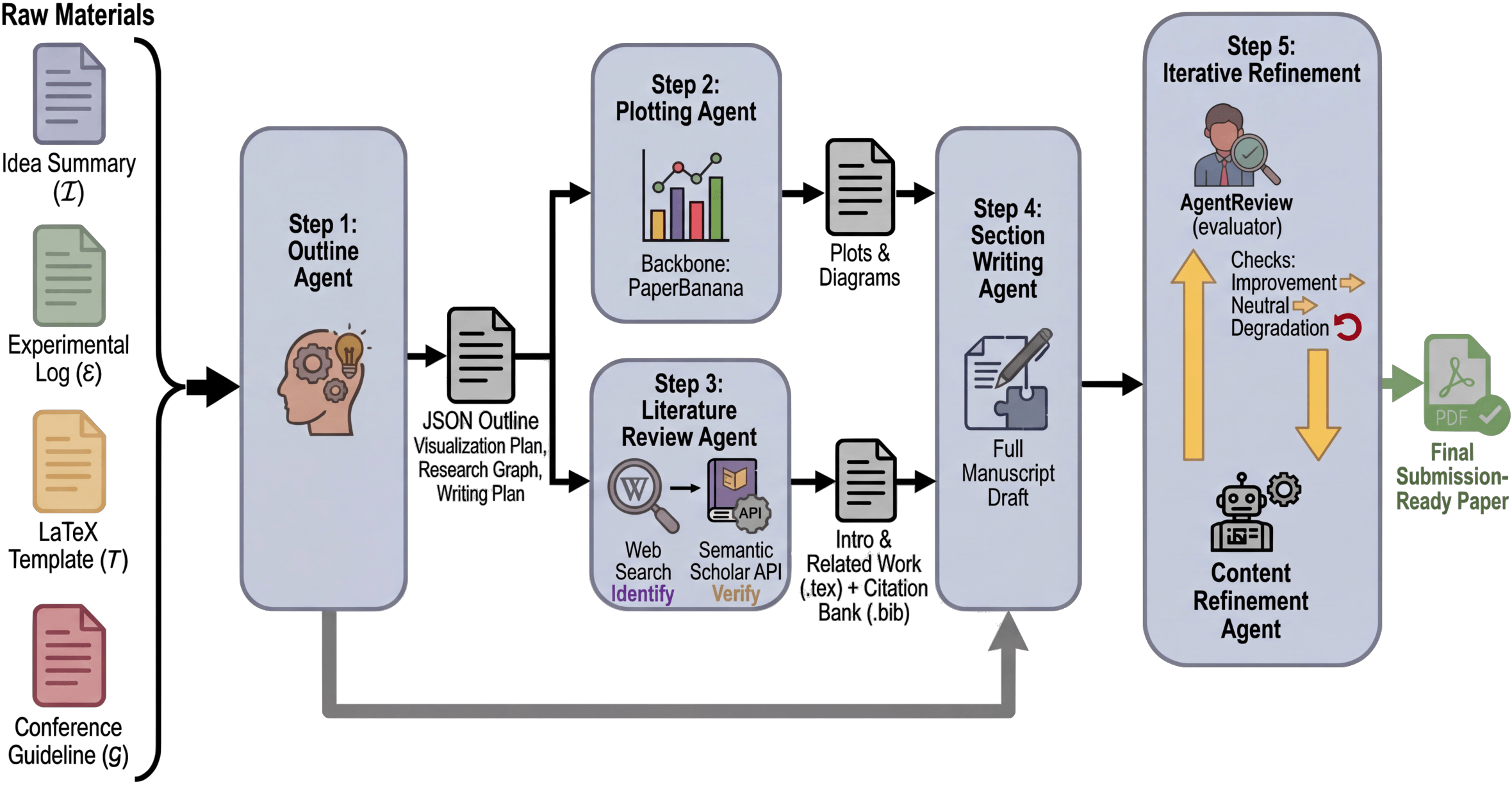
PaperOrchestra introduces a multi-agent framework that generates full research manuscripts from unstructured materials like idea summaries and experiment logs.
It addresses a gap where existing systems depend on fixed pipelines and produce shallow literature reviews. In human evaluations, it records a 50–68% win margin in literature review quality and 14–38% in overall manuscript quality over baseline systems.
Multi-agent pipeline
The system separates paper writing into specialized agents that execute defined tasks.
- Outline agent converts raw notes into structured sections aligned with standard paper formats
- Literature agent retrieves and verifies citations using Semantic Scholar API queries
- Plotting agent converts experimental logs into figures and conceptual diagrams automatically
- Writing agent generates full LaTeX manuscript using structured plan and retrieved content
- Refinement agent revises drafts using simulated peer review style feedback loops
PaperWritingBench dataset
The evaluation uses a benchmark built from reverse-engineered conference paper inputs.
- Dataset includes 200 papers from CVPR 2025 and ICLR 2025 venues
- Inputs contain idea summaries and extracted experimental tables without original text access
- Evaluation isolates writing ability by removing access to final published manuscripts
- Supports testing across different formatting styles including single and double column templates
Evaluation setup and comparisons
The system is tested against existing autonomous research writing pipelines.
- Compared against single-agent LLM pipeline that performs all steps in one pass
- Benchmarked against AI Scientist-v2 with iterative citation and refinement workflow
- Human evaluators perform blind side-by-side comparisons across generated manuscripts
- Results include win, tie, and loss rates across multiple evaluation dimensions
|
|
|
At Alpha Signal, our mission is to build a sharp, engaged community focused on AI, machine learning, and cutting-edge language models, helping over 200,000 developers stay informed and ahead. We’re passionate about curating the best in AI, from top research and trending technical blogs to expert insights and tailored job opportunities. We keep you connected to the breakthroughs and discussions that matter, so you can stay in the loop without endless searching. We also work closely with partners who value the future of AI, including employers and advertisers who want to reach an audience as passionate about AI as we are.
Our partnerships are based on shared values of ethics, responsibility, and a commitment to building a better world through technology.Privacy is a priority at Alpha Signal. Our Privacy Policy clearly explains how we collect, store, and use your personal and non-personal information. By using our website, you accept these terms, which you can review on our website. This policy applies across all Alpha Signal pages, outlining your rights and how to contact us if you want to adjust the use of your information. We’re based in the United States. By using our site, you agree to be governed by U.S. laws.
|
|
|
Looking to promote your company, product, service, or event to 250,000+ AI developers?
|
|
|
|
|
