|
Hey,
Your daily briefing is ready. You can finally take a break from the AI firehose.
Our algos spent the night splitting signal from noise and pulled the top news, models, papers, and repos.
Here’s the must-read:
|
|
Together with:
|

|
|

|
Today's Author
Lior Alexander. Founder of AlphaSignal and former ML Engineer.
Previously built ML systems at Iguazio, Guesty, Enphase, Mila.
|
|
Top Repo
|
|
|
|
Andrej Karpathy publishes Autoresearch, an open-source agent that runs continuous ML training experiments on one GPU
|
|
35,536 Likes
|
|
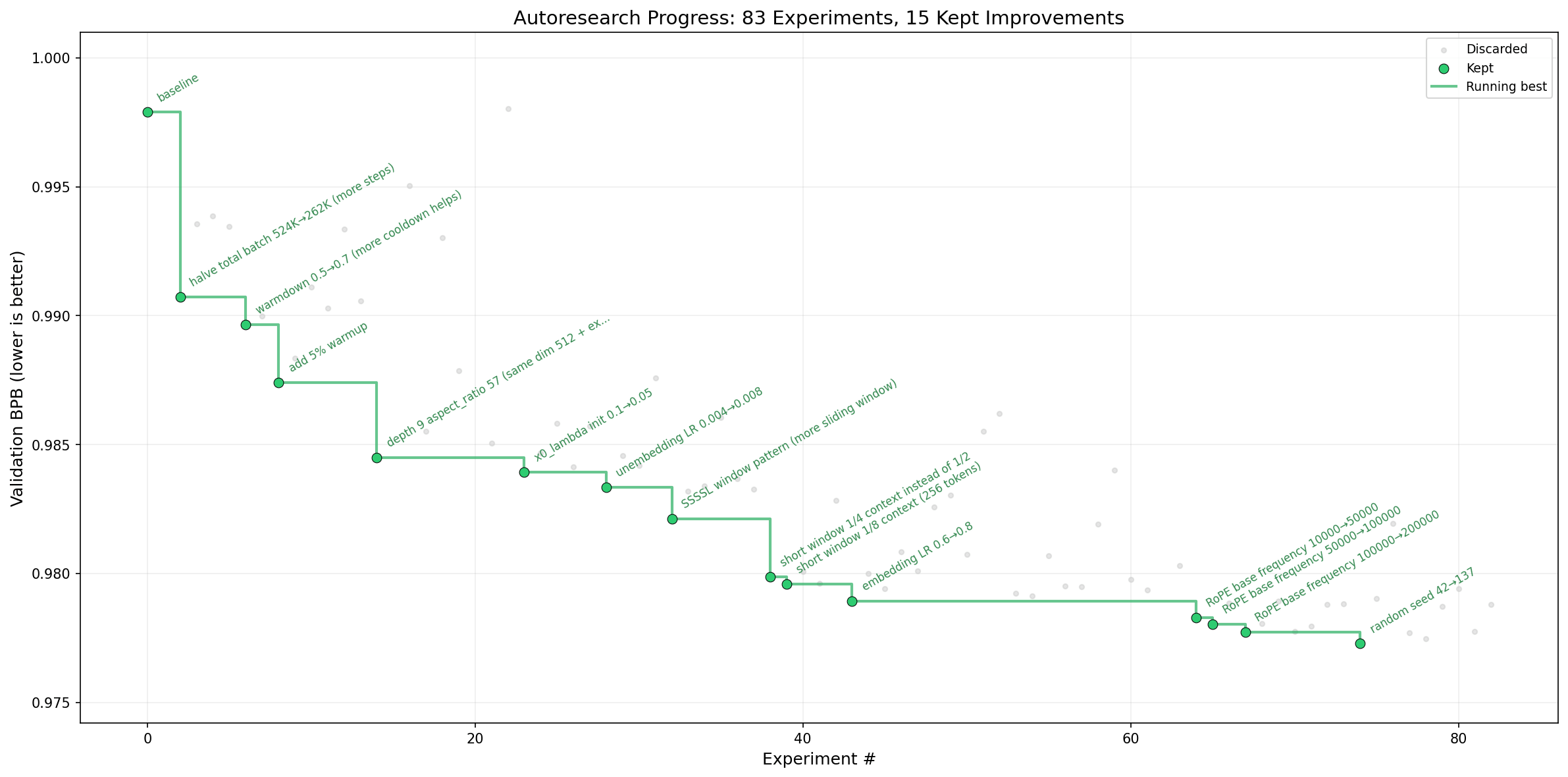
Autoresearch turns the research process into a loop where an AI agent edits training code, runs short experiments, measures results, and commits improvements to Git.
The goal is to let agents search for better neural network designs without constant human involvement.
How the system works
Autoresearch splits the workflow between a human strategy and an agent execution loop.
-
Human writes a short Markdown prompt that describes research goals and constraints.
-
Agent edits a single Python training script containing the neural network and training setup.
-
Each experiment trains the model for five minutes, then measures validation loss.
-
The agent commits improvements to a Git feature branch after each experiment run.
-
A graph logs results so users track which experiments improve model performance.
How to use it
Running Autoresearch requires a dataset, a GPU, and an AI coding agent.
-
Clone the GitHub repository and prepare training data for the example model.
-
Write the research instructions inside the prompt Markdown file.
-
Start an AI coding agent such as Claude to control the experiment loop.
-
Let the system run experiments continuously while it modifies the training script.
-
Review commits and experiment graphs to inspect the changes the agent makes.
|
|
|
|
Presented by Wispr Flow
|
|
Speak naturally. Send without fixing.
|
|
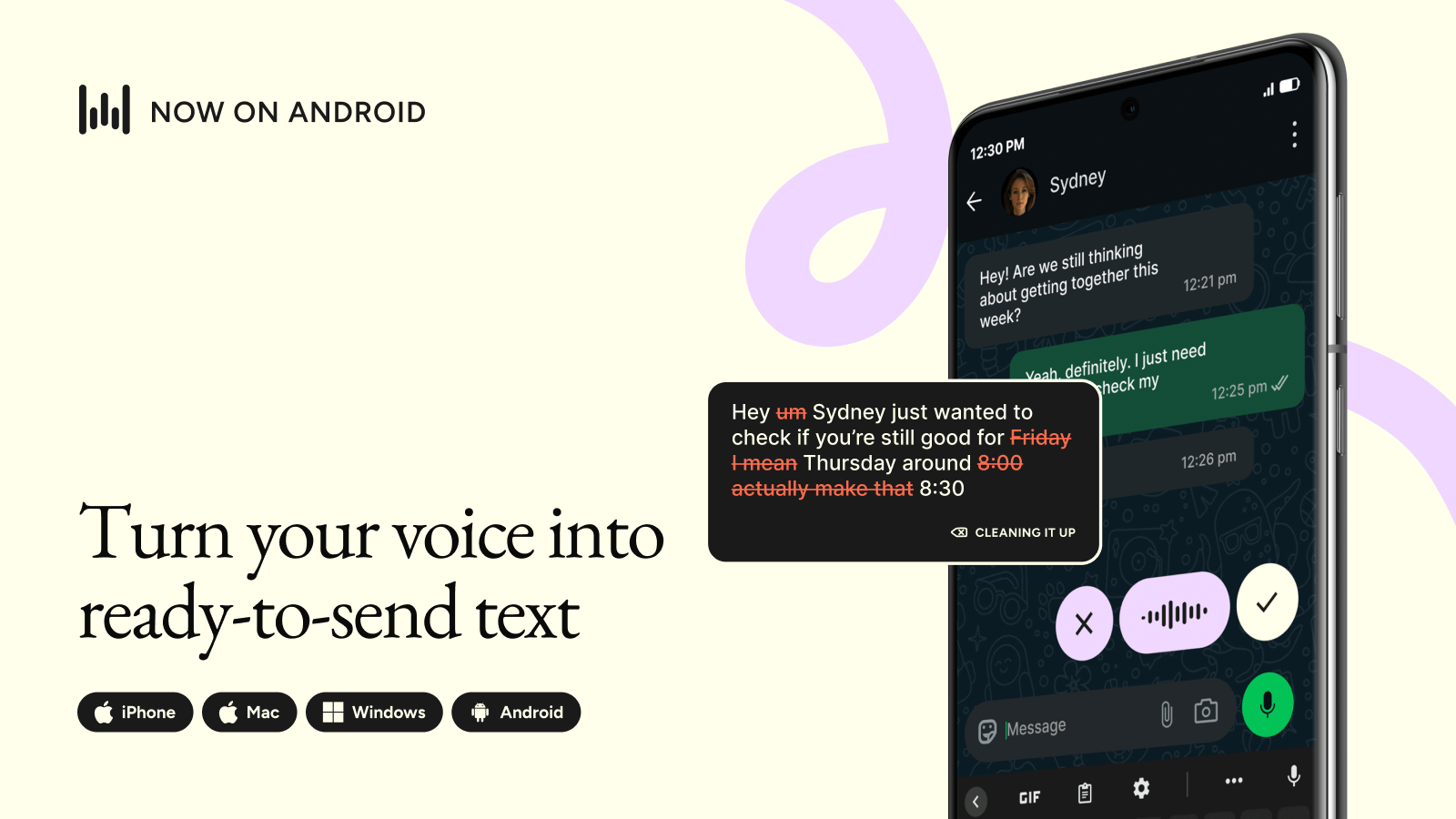
Wispr Flow turns your voice into clean, sendable text in any app. Not rough transcription you have to fix. Text you actually send.
AI researchers use Flow to speak detailed prompts into Cursor, Claude, and ChatGPT 4x faster than typing. Describe experiments, explain edge cases, give coding agents the context they need.
89% of messages sent with zero edits. Used by teams at OpenAI, Vercel, and Clay. Millions of people use Flow daily across Mac, Windows, iPhone, and now Android.
|
|
|
|
partner with us
|
|
Top Paper
|
|
|
|
Anthropic analyzes Firefox repository with Claude Opus 4.6 and submits 112 vulnerability reports
|
|
14,248 Likes
|
|
Anthropic partnered with Mozilla to test whether a language model can detect real vulnerabilities in a large production codebase. Claude Opus 4.6 analyzed the Firefox source repository and reported bugs directly through Mozilla’s disclosure process.
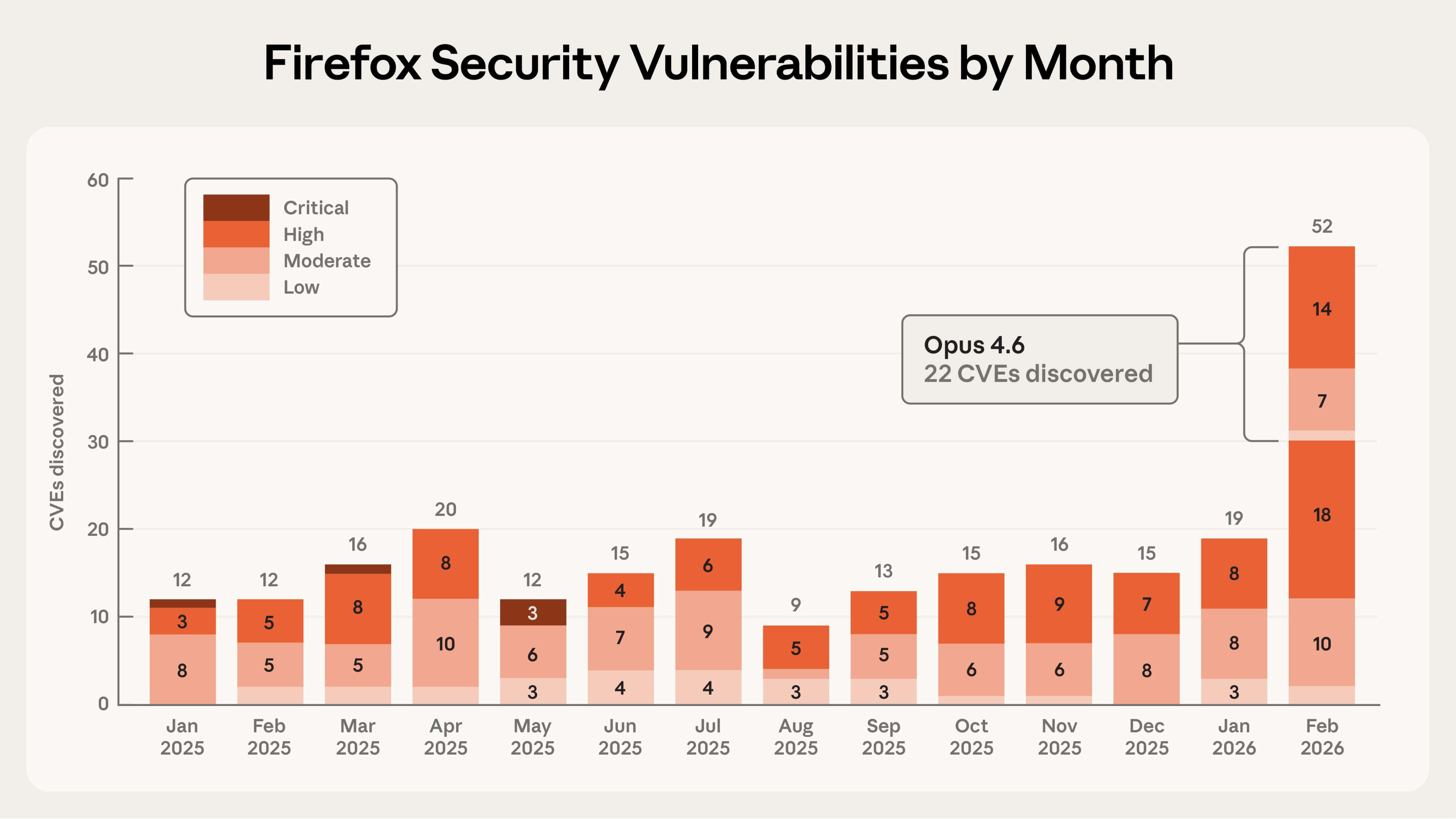
The model identified 22 vulnerabilities in two weeks, including 14 high-severity issues, which account for about 20% of all high-severity Firefox bugs fixed in 2025.
Key findings
Claude explored the Firefox codebase and generated test cases that exposed unsafe behavior.
-
Scanned ~6,000 C++ files across major Firefox components during automated code analysis.
-
Found the first confirmed vulnerability in about 20 minutes after repository exploration began.
-
Submitted 112 vulnerability reports, with Mozilla confirming 22 security issues after triage.
-
Detected a use-after-free memory bug, a flaw where programs access memory after release.
How the model analyzed the Firefox codebase
Claude inspected the repository and generated test cases that triggered crashes or unsafe behavior.
-
Claude scanned nearly 6,000 C++ files across multiple Firefox components during automated analysis runs.
-
The model detected its first vulnerability about 20 minutes after exploration began.
-
Researchers validated findings inside an isolated virtual machine environment before submitting reports.
-
The first confirmed bug involved a use-after-free memory vulnerability in Firefox’s JavaScript engine.
|
|
|
|
Presented by Entelligence AI
|
|
How do you know your AI code reviewer is actually catching bugs?
|
|
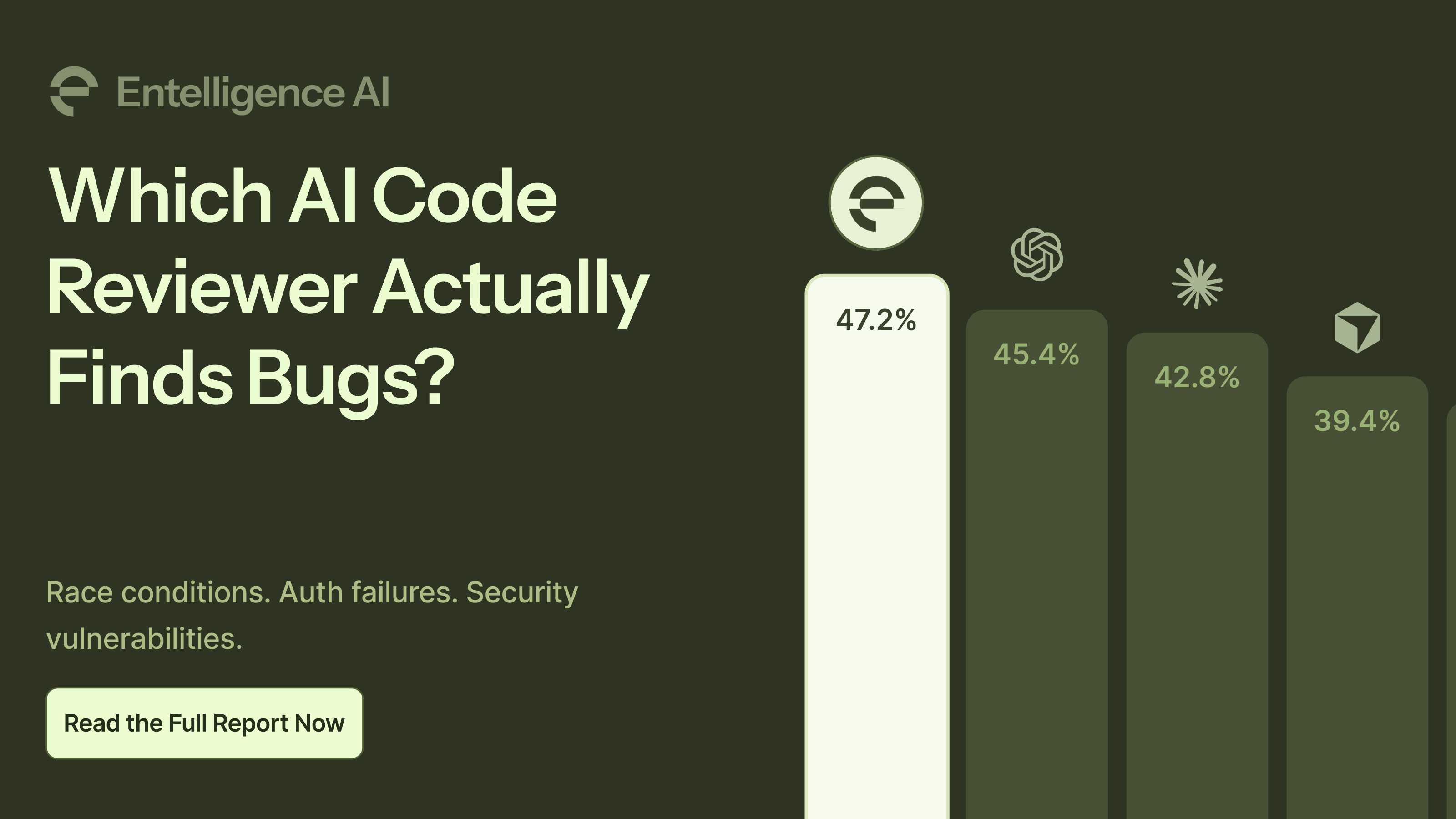
Somewhere in your next PR is a bug your code reviewer will miss. We know because we tested 8 of them on 67 real production bugs- race conditions, auth failures, security vulnerabilities. Most had a lot to say. Not much to catch.
Compare your reviewer on Entelligence AI before your next incident does it for you.
|
|
|
|
partner with us
|
|
Top News
|
|
|
|
OpenAI introduces Codex Security to detect real security issues using threat models and sandbox validation
|
|
8,927 Likes
|
|
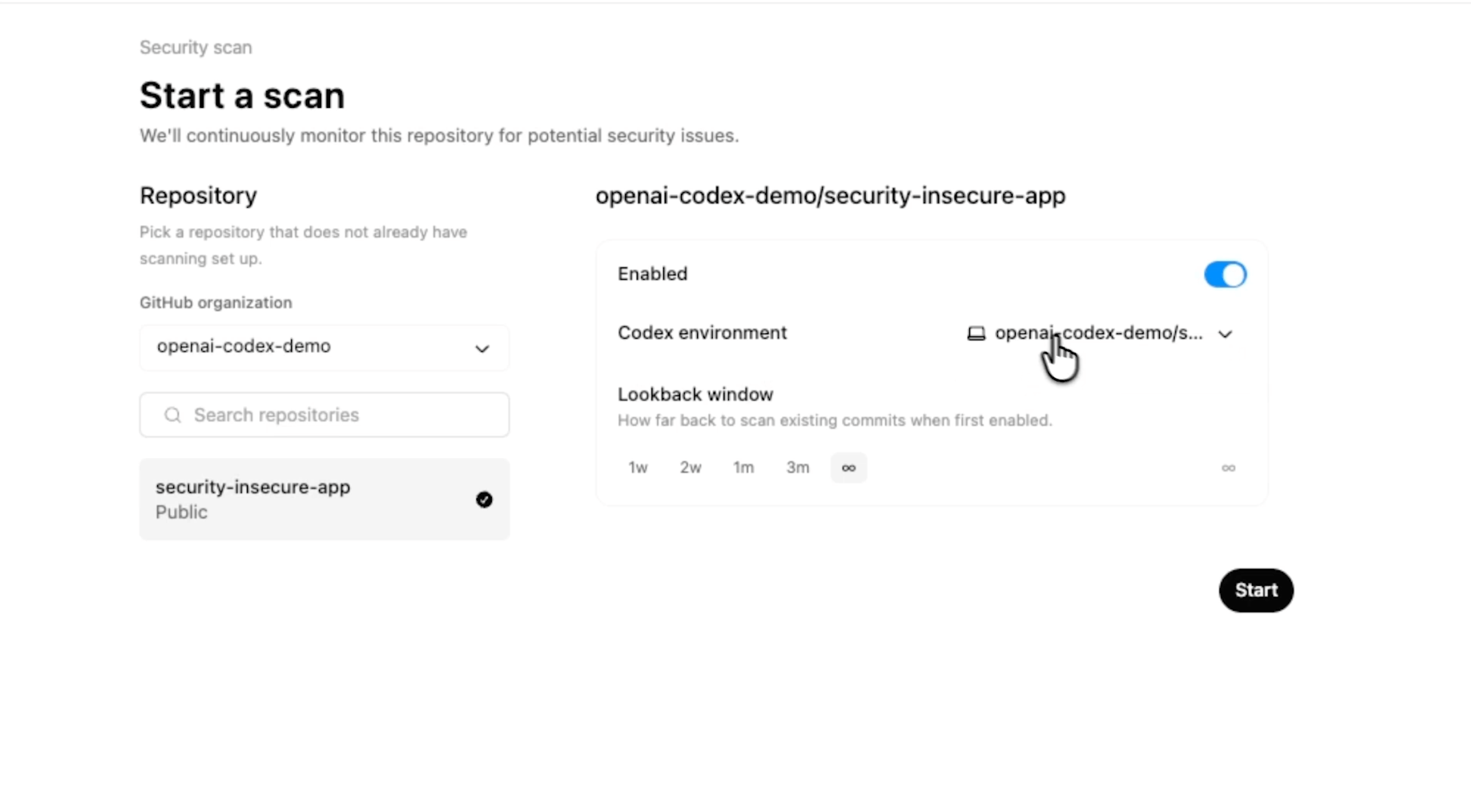
OpenAI released Codex Security, an application security agent that analyzes your codebase, identifies real vulnerabilities, verifies them, and suggests fixes.
The system builds context about how your software works before scanning, which helps it detect issues that simple static scanners often miss. It is now available in research preview through Codex for ChatGPT Pro, Enterprise, Business, and Edu users.
Key features
Codex Security focuses on high-confidence vulnerability detection using system-level context.
-
Builds a project-specific threat model, a structured map of assets, trust boundaries, and attack surfaces.
-
Scans repositories to detect vulnerabilities such as SSRF and authentication flaws across code paths.
-
Runs sandbox validation tests to confirm whether a vulnerability can actually be exploited.
-
Generates proof-of-concept evidence to help security teams verify and reproduce findings.
Results from early deployments
Testing across internal and external repositories shows measurable improvements in scan quality.
-
Reduced scan noise by 84%, helping teams avoid large volumes of low-impact alerts.
-
Lowered false positive rates by more than 50% across evaluated repositories.
-
Reduced severity over-reporting by more than 90% during vulnerability classification.
-
Scanned 1.2 million commits, detecting 792 critical and 10,561 high-severity issues.
|
|
|
At Alpha Signal, our mission is to build a sharp, engaged community focused on AI, machine learning, and cutting-edge language models, helping over 200,000 developers stay informed and ahead. We’re passionate about curating the best in AI, from top research and trending technical blogs to expert insights and tailored job opportunities. We keep you connected to the breakthroughs and discussions that matter, so you can stay in the loop without endless searching. We also work closely with partners who value the future of AI, including employers and advertisers who want to reach an audience as passionate about AI as we are.
Our partnerships are based on shared values of ethics, responsibility, and a commitment to building a better world through technology.Privacy is a priority at Alpha Signal. Our Privacy Policy clearly explains how we collect, store, and use your personal and non-personal information. By using our website, you accept these terms, which you can review on our website. This policy applies across all Alpha Signal pages, outlining your rights and how to contact us if you want to adjust the use of your information. We’re based in the United States. By using our site, you agree to be governed by U.S. laws.
|
|
|
Looking to promote your company, product, service, or event to 250,000+ AI developers?
|
|
|
|
|
