OpenAI's DevDay was essentially one big argument: you don't need the best model, you need the best value. GPT-6.1 Sol matches flagship Astra on coding at one-fifth the cost. The Decisions API routes your app logic in 150ms. Meta's self-evolving training trick doubles math accuracy for free.
The pattern is clear. The frontier is no longer just about raw capability.
It's about making power affordable enough to ship.
|
|
In Partnership with
|
·
|

|
|
|
|

|
Today's Author
Lior Alexander. Founder of AlphaSignal and former ML Engineer. Previously built ML systems at Iguazio, Guesty, Enphase, Mila.
|
|
Top News
|
|
|
|
OpenAI ships GPT-6.1 Sol at 80% less cost with near-flagship performance
|
|
23,168 Likes
|
|
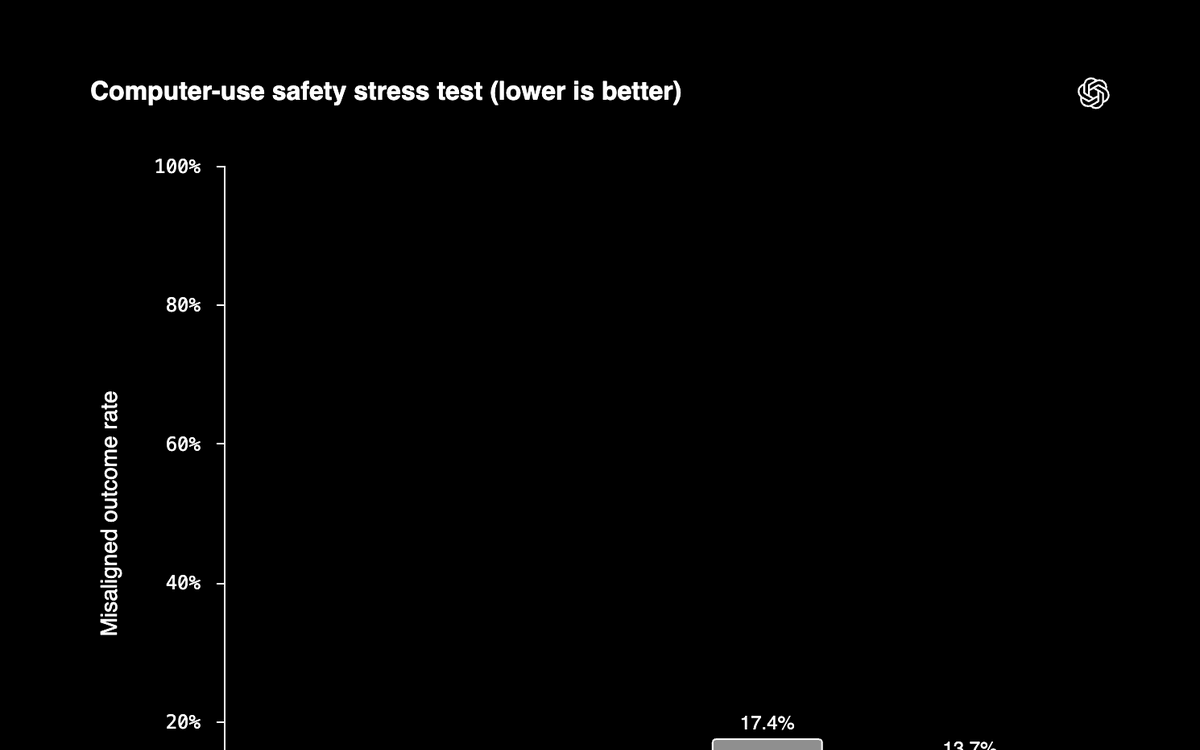
OpenAI just dropped GPT-6.1 Sol, and the pitch is simple: nearly the same smarts as their top model, Astra, for a fraction of the cost. Astra is OpenAI's most powerful model. Sol sits just below it. The upgrade here is that 6.1 Sol now closes that gap significantly on coding, document analysis, and multi-step tasks, without raising the price. Here's what the numbers actually look like: - Coding tasks (DeepSWE): matches Astra at $0.65/task vs Astra's $3.92
- Computer use (OSWorld): within 2 points of Astra at one-seventh the cost
- Science work (Terminal-Bench): $5.47/task vs $23.80 for Astra
- Cached input dropped to $0.10 per million tokens, half of what GPT-6 Sol charged
Caching means reusing repeated text in your prompts so you pay less. That 95% discount off standard input pricing makes running large apps at scale way cheaper. You can access it via the API using gpt-6.1-sol, or through ChatGPT Work and Codex right now.
|
|
|
|
Presented by WorkOS
|
|
Stop fake accounts before they burn tokens
|
|
Free-tier abuse gets expensive fast in an AI product. One person can cycle through email addresses, devices, and trials while your app keeps issuing credits and paying inference costs. Blocking a single address only slows them down.
WorkOS Radar checks device, email, and network signals at signup, then returns a risk verdict before the account reaches your product. You can block obvious abuse, step up suspicious users, and review the evidence behind each decision without maintaining rules or deny lists.
|
|
|
|
Top Repo
|
|
|
|
Tree search framework hits 98.7% on documents where vector search fails
|
|
4,598 Likes
|
|
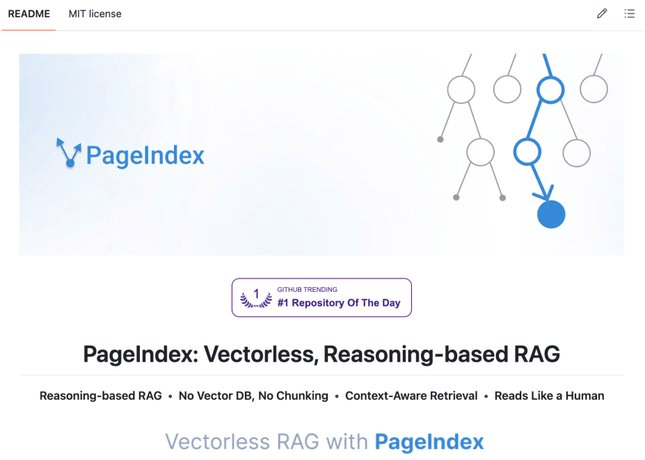
Traditional RAG, the technique that lets AI answer questions from your documents, has a dirty secret: it chops your docs into random chunks, converts them to numbers, and hopes a similarity search finds the right piece. It often doesn't. PageIndex flips the whole model. Instead of chunking, it reads your document and builds a tree structure, like a smart table of contents. Then the AI reasons through that tree to find exactly what's relevant, the way a human expert would flip to the right chapter. What this means for you: - No vector database, no embeddings, no chunking setup
- 98.7% accuracy on FinanceBench, beating every vector RAG on the leaderboard
- Works great on legal docs, financial reports, technical manuals
- Fully open source, self-hostable with a simple pip install
You can run it locally in three steps: install deps, add your API key, then point it at a PDF. It also supports MCP and API for production use.
|
|
|
|
Presented by Sentry
|
|
Debug Agents in Chat, Slack, CI - Live Workshop
|
|
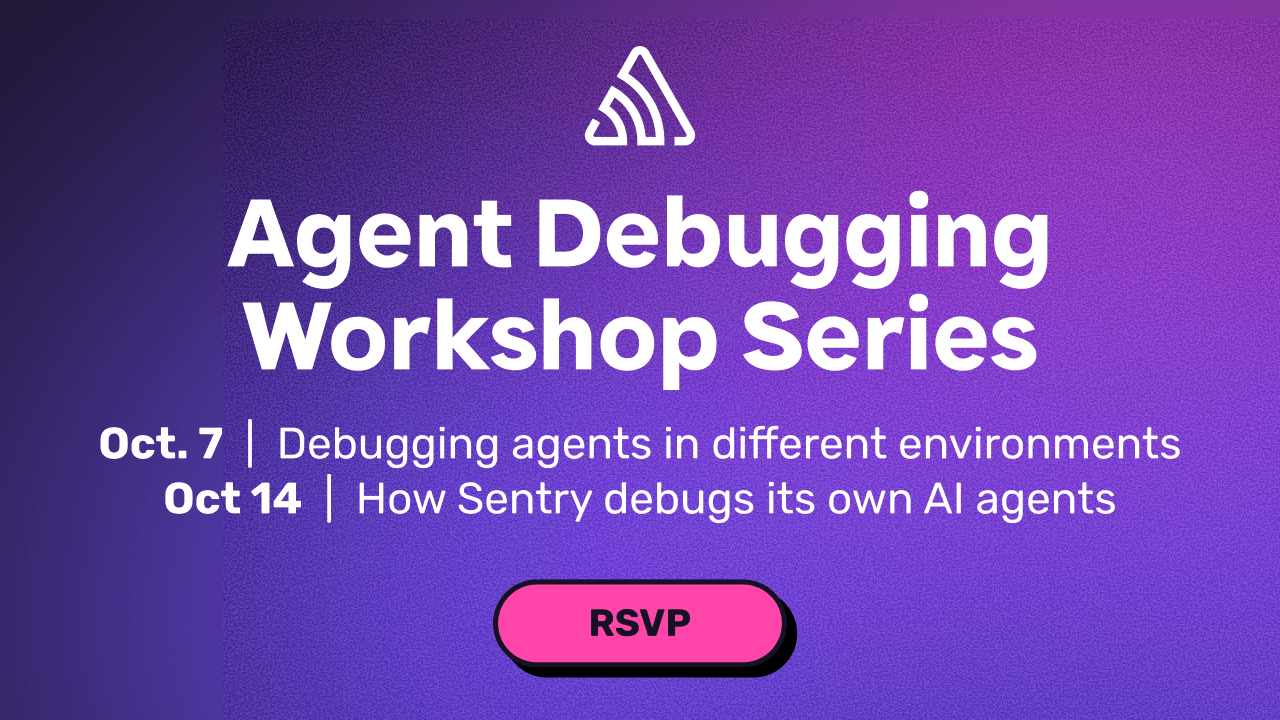
In this hands-on workshop, Serge from Sentry instruments three agents with Sentry Agent Tracing: an ecommerce chatbot, a custom Slack agent, and a GitHub Action that reviews PRs. You'll see how to catch bad tool calls and unexpected output, plus track token spend and performance across every agent you run.
|
|
|
|
Top News
|
|
|
|
OpenAI ships Decisions API letting apps route and classify with GPT-6 Luna
|
|
4,494 Likes
|
|
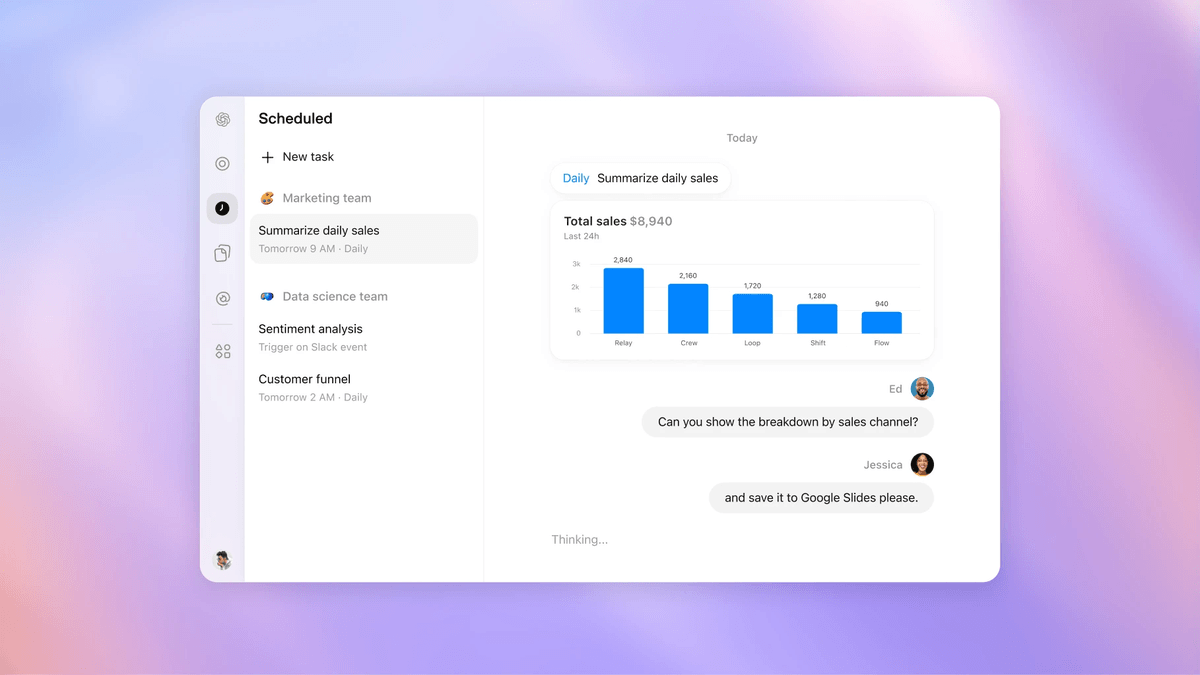
OpenAI just dropped the Decisions API, and it flips how you handle routing logic inside your app. Here is the idea. Instead of writing a pile of if-else conditions to figure out what your app should do next, you hand the API a question and a list of possible answers. It picks one. That is it. You can send text or images as context. Think: a support ticket plus a list of teams. The API tells you where to send it. Under the hood it runs on GPT-6 Luna, tuned specifically for this task, and it answers in 150 milliseconds, compared to 1.6 seconds for a regular Luna call. What you can actually build with this: - Content moderation: classify what a user sent before doing anything with it
- Request routing: send users to the right team or agent automatically
- Agent logic: let your AI agent pick its next action from a defined set of moves
Access is limited right now to selected API customers, with a broad release coming very soon.
|
|
|
At Alpha Signal, our mission is to build a sharp, engaged community focused on AI, machine learning, and cutting-edge language models, helping over 300,000 developers stay informed and ahead. We're passionate about curating the best in AI, from top research and trending technical blogs to expert insights and tailored job opportunities. We keep you connected to the breakthroughs and discussions that matter, so you can stay in the loop without endless searching. We also work closely with partners who value the future of AI, including employers and advertisers who want to reach an audience as passionate about AI as we are.
Our partnerships are based on shared values of ethics, responsibility, and a commitment to building a better world through technology.Privacy is a priority at Alpha Signal. Our Privacy Policy clearly explains how we collect, store, and use your personal and non-personal information. By using our website, you accept these terms, which you can review on our website. This policy applies across all Alpha Signal pages, outlining your rights and how to contact us if you want to adjust the use of your information. We're based in the United States. By using our site, you agree to be governed by U.S. laws.
|
|
|
Looking to promote your company, product, service, or event to 300,000+ AI developers?
|
|
|
|
|
