Today's theme is simple: AI is finally growing up for the enterprise.
Anthropic just shipped self-hosted sandboxes and private MCP tunnels so your code and databases never leave your walls. Meanwhile, Multiscreen proves leaner models beat bloated ones. Both signal the same shift: less is more, and control matters.
The age of "trust us with your data" is quietly ending.
|
|
Together with
|
·
|

|
|
|
|

|
Today's Author
Lior Alexander. Founder of AlphaSignal and former ML Engineer. Previously built ML systems at Iguazio, Guesty, Enphase, Mila.
|
|
Top News
|
|
|
|
Anthropic ships self-hosted sandboxes and private MCP tunnels for Claude agents
|
|
6,735 Likes
|
|
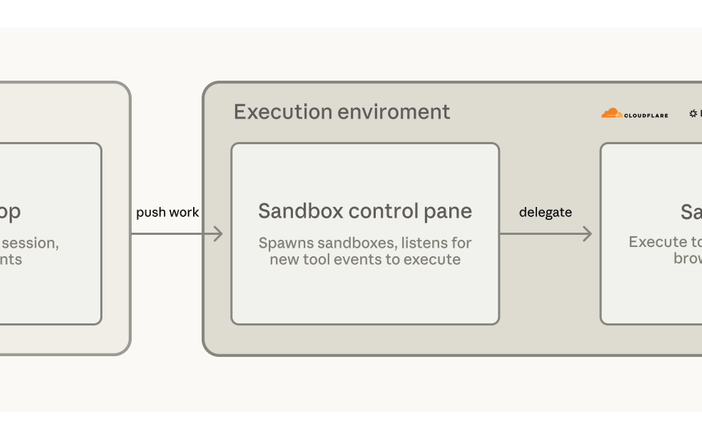
Claude just shipped two features that fix the biggest blocker for using AI agents at work: your data leaving your hands. Until now, when Claude ran tasks for you, everything happened on Anthropic's servers. That's fine for personal projects. Not fine when your code, files, or internal databases are involved. Here's what's new: - Self-hosted sandboxes (public beta): Claude's "thinking" stays on Anthropic's side, but the actual code execution happens on your own servers or providers like Cloudflare, Vercel, or Modal. Your files never leave your network.
- MCP tunnels (research preview): MCP is a standard way for AI agents to talk to tools and services. Tunnels let Claude reach your private internal databases and APIs through one encrypted outbound connection, with no inbound firewall holes needed.
Together, you can now point Claude at your private Postgres database, internal ticketing system, or proprietary codebase without exposing any of it publicly. Try sandboxes now on the Claude Platform. Request access for MCP tunnels through the Claude Console settings.
|
|
|
|
Presented by Lambda
|
|
Most AI teams treat compute as a commodity. It’s not.
|
|
Your cluster performs or stalls based on three things: where it sits, how it's designed, and who tunes it. Get them wrong, and you lose weeks of training time.
Lambda was built by researchers who know training runs burn weeks on bad infrastructure.
|
|
|
|
Top Repo
|
|
|
|
Nous Research ships Hermes Agent v0.14.0 in major foundation release
|
|
4,319 Likes
|
|
Hermes Agent just dropped v0.14.0, and this one is about fixing the fundamentals. Installs are lighter, integrations actually work end-to-end, and the agent catches your code mistakes before you even see them. Here's what's new and useful: - Local subscription proxy -- turns your Claude Pro, ChatGPT Pro, or SuperGrok login into a local API endpoint that tools like Codex, Aider, and Cline can hit directly. No extra API keys needed.
- Grok via SuperGrok OAuth with a 1M token context window -- that's enough to feed an entire codebase into a single conversation.
- LSP diagnostics on every file write -- the agent runs a real language server after editing your code and catches type errors, missing imports, and broken symbols before the next turn.
- Microsoft Teams support, X search as a native tool, and 22 messaging platforms total.
- Lighter installs -- heavy dependencies now load only when you actually use them.
To update, run: hermes update
|
|
|
|
Presented by Tiger Data
|
|
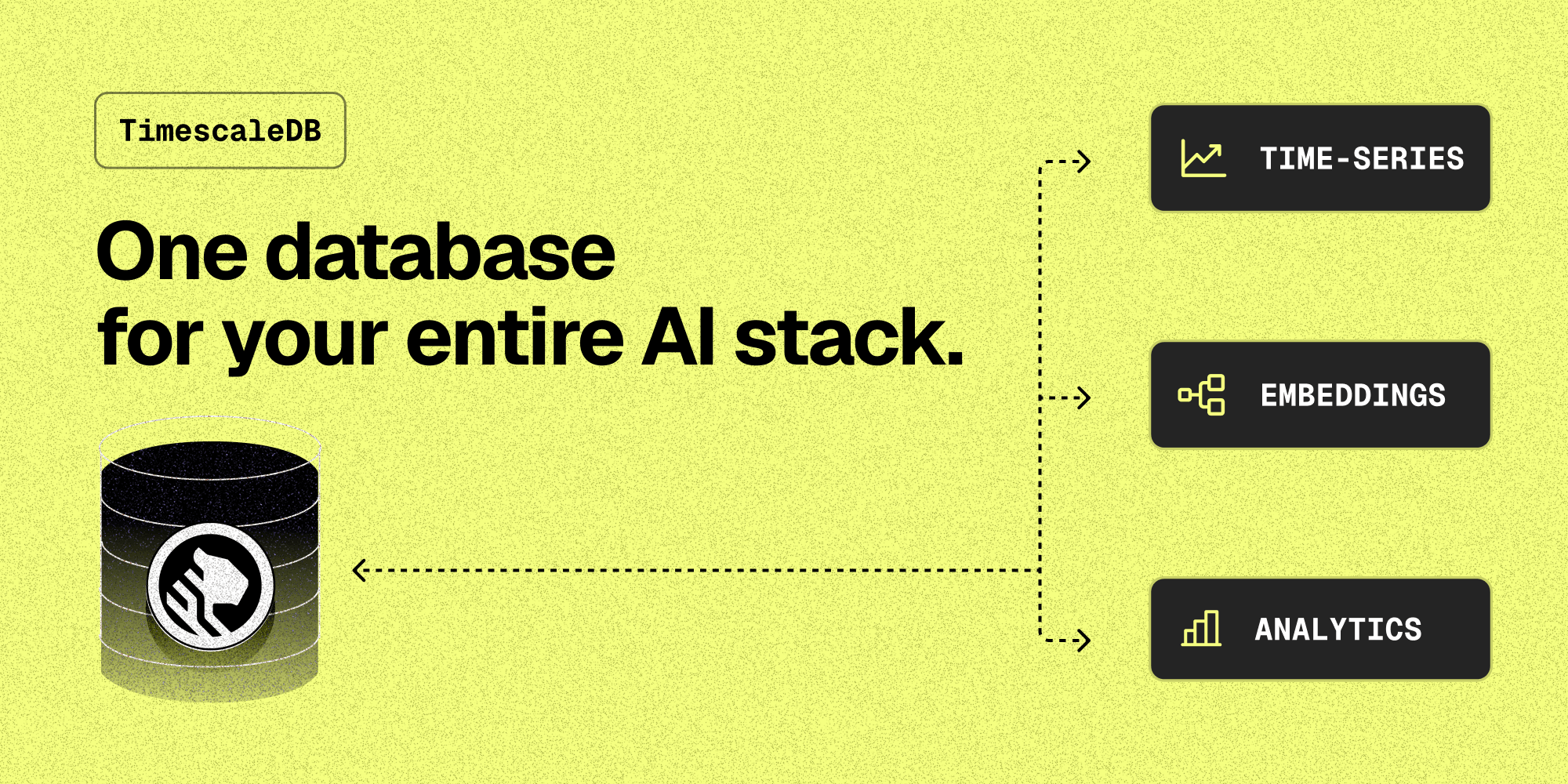
One Postgres Database for Your Entire AI Stack
|
|
Most teams split into multiple databases as AI workloads grow.
TimescaleDB extends Postgres so one database handles it all. No pipeline, no drift, no second database.
|
|
|
|
Top Repo
|
|
|
|
Microsoft drops open-source 4B model that converts any image to 3D in 3 seconds
|
|
2,994 Likes
|

|
Drop a photo in, get a production-ready 3D model out in 3 seconds. That's the pitch for Microsoft's TRELLIS.2, and it actually delivers. The model uses a new internal format called O-Voxel, which is basically a smart grid that stores both the shape and the surface material of an object together. Previous tools stored these separately, which caused messy results on complex shapes like glass or clothing folds. O-Voxel handles all of that cleanly. Here's what you get out of the box: - GLB files with full PBR textures (color, roughness, metallic, transparency) ready for Blender, Unity, and Unreal
- Resolutions from 512 cubed (3 seconds) up to 1536 cubed (60 seconds) on an H100
- MIT licensed, so you can use it commercially
- Run it fully local via Docker or clone the GitHub repo directly
You need Linux and a GPU with at least 24GB VRAM. Think RTX 3090 or better. The model weights are on Hugging Face.
|
|
|
At Alpha Signal, our mission is to build a sharp, engaged community focused on AI, machine learning, and cutting-edge language models, helping over 200,000 developers stay informed and ahead. We're passionate about curating the best in AI, from top research and trending technical blogs to expert insights and tailored job opportunities. We keep you connected to the breakthroughs and discussions that matter, so you can stay in the loop without endless searching. We also work closely with partners who value the future of AI, including employers and advertisers who want to reach an audience as passionate about AI as we are.
Our partnerships are based on shared values of ethics, responsibility, and a commitment to building a better world through technology.Privacy is a priority at Alpha Signal. Our Privacy Policy clearly explains how we collect, store, and use your personal and non-personal information. By using our website, you accept these terms, which you can review on our website. This policy applies across all Alpha Signal pages, outlining your rights and how to contact us if you want to adjust the use of your information. We're based in the United States. By using our site, you agree to be governed by U.S. laws.
|
|
|
Looking to promote your company, product, service, or event to 250,000+ AI developers?
|
|
|
|
|
