|
Hey,
Your daily briefing is ready. You can finally take a break from the AI firehose.
Our algos spent the night splitting signal from noise and pulled the top news, models, papers, and repos.
Here’s the must-read:
|
|
Together with:
|
|
|

|
Today's Author
Lior Alexander. Founder of AlphaSignal and former ML Engineer.
Previously built ML systems at Iguazio, Guesty, Enphase, Mila.
|
|
Top News
|
|
|
|
Google launches Gemini 3.1 Flash Live with real-time speech-to-speech voice agent capabilities via streaming API
|
|
6,484 Likes
|
|
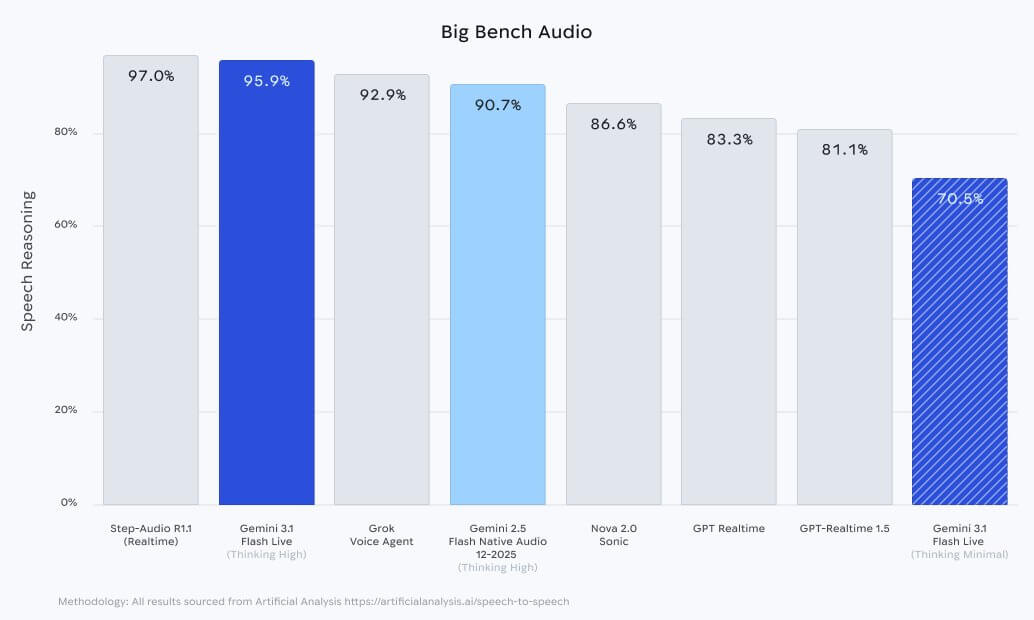
Gemini 3.1 Flash Live introduces a way to build agents that listen, think, and respond in real time.
It removes text from the pipeline, so audio goes in and audio comes out directly. This reduces delay and keeps tone, pacing, and intent intact during conversations.
How it works
It replaces request-response APIs with continuous, stateful sessions for live interaction.
- Uses speech-to-speech inference instead of speech-to-text plus text-to-speech pipelines
- Maintains a live session, so the conversation does not reset each turn
- Filters background noise like traffic or TV to focus on relevant speech
- Supports 90+ languages in the same conversation without restarting context
How to use it
You connect through the Gemini Live API and stream data.
- Select gemini-3.1-flash-live-preview and set audio as response modality
- Open an async session and stream audio input and output continuously
- Use WebRTC or similar transport for low-latency production systems
- Call external tools during conversations using built-in function calling
|
|
|
|
Presented by KiloClaw
|
|
Hosted Agents Share Containers. KiloClaw Doesn't.
|
|
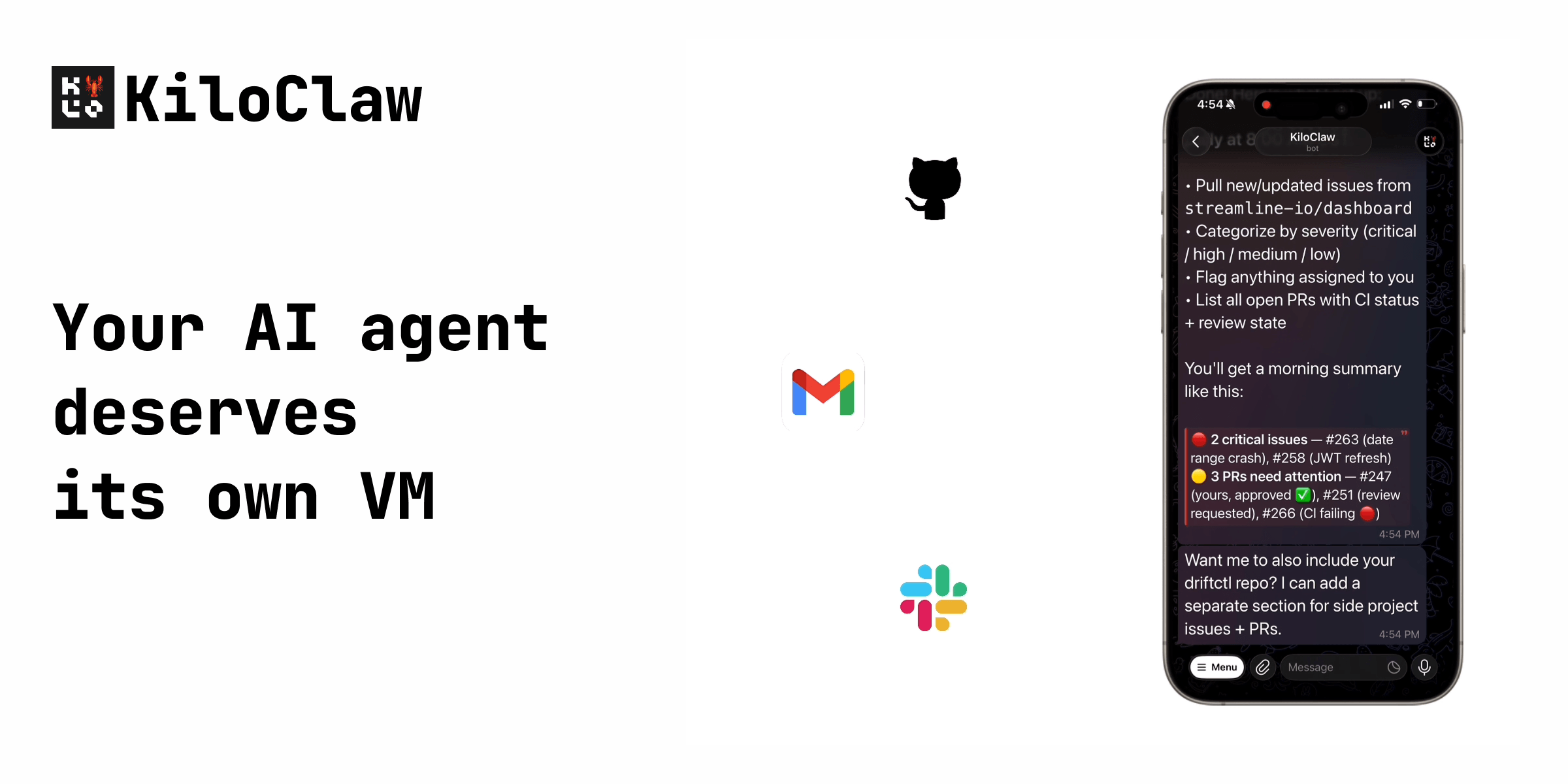
Your AI agent handles API keys, email, repos, and shell access. That's a lot of trust to put in a shared container.
KiloClaw runs each instance in a dedicated Firecracker micro-VM with:
-
Per-user WireGuard networks
-
LUKS-encrypted NVMe volumes
-
Secrets encrypted at rest with RSA-OAEP + AES-256-GCM
And it's been put to the test:
|
|
|
|
partner with us
|
|
Top News
|
|
|
|
Mistral releases open-weight Voxtral TTS, a 4B model for expressive multilingual speech generation
|
|
4,269 Likes
|
|
Mistral AI released Voxtral TTS, a 4B parameter open-weight text-to-speech model for generating realistic speech from text. It focuses on expressive voice output, low latency, and multilingual support across 9 languages.
The system converts text into audio while modeling tone, accent, and speaking style, which matters for voice agents and real-time systems.
Voxtral TTS solves the gap between text output and natural voice interaction in AI systems. It fits developers building voice agents, translation systems, or customer support tools.
You provide text and an optional short voice sample, and the model generates speech that matches the input style.
Key features and results
- Generates speech with tone, pauses, and emotion based on text context
- Adapts to new voices using ~3 seconds of reference audio input
- Supports multilingual output with accent transfer across supported languages
- Achieves ~70ms latency for fast time-to-first-audio responses
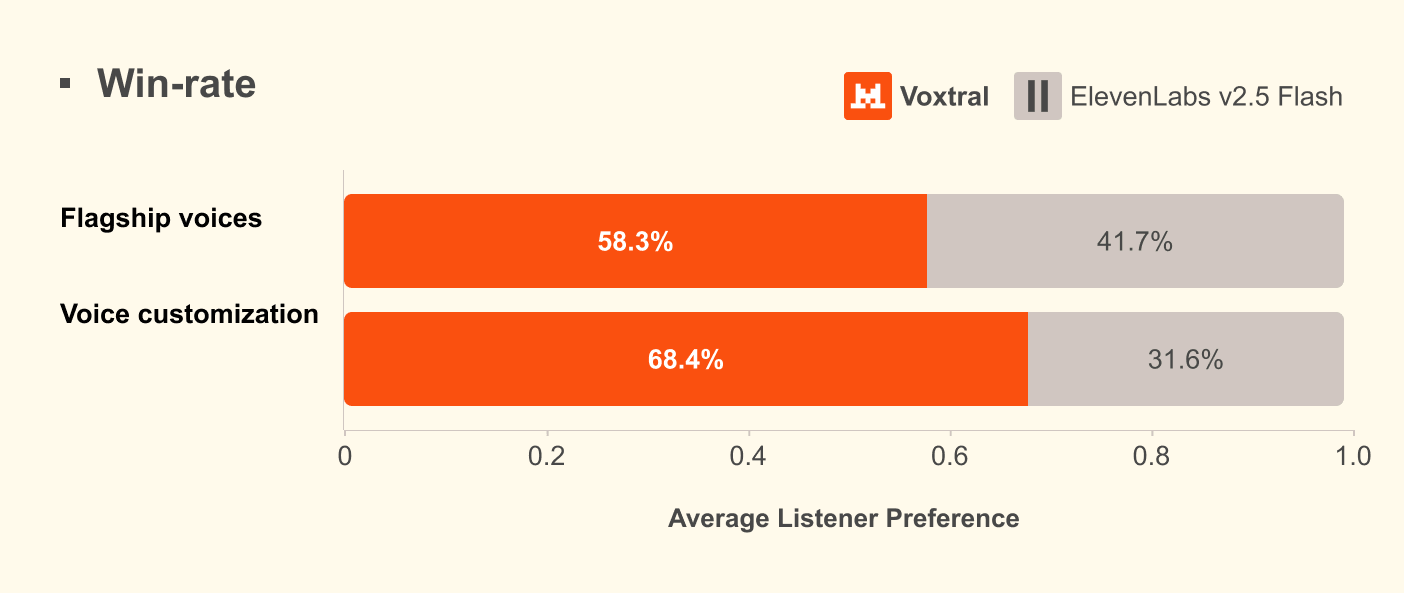
- Outperforms ElevenLabs v2.5 Flash in human evaluation for voice quality
How to use it
- Access via API, Mistral Studio playground, or open weights on Hugging Face
- Input text and optional voice prompt to control speech generation style
- Select preset voices or upload custom reference audio samples
- Stream audio output or integrate into existing STT + LLM pipelines
- Combine with Voxtral Transcribe for end-to-end speech-to-speech systems
|
|
|
|
Presented by Unblocked
|
|
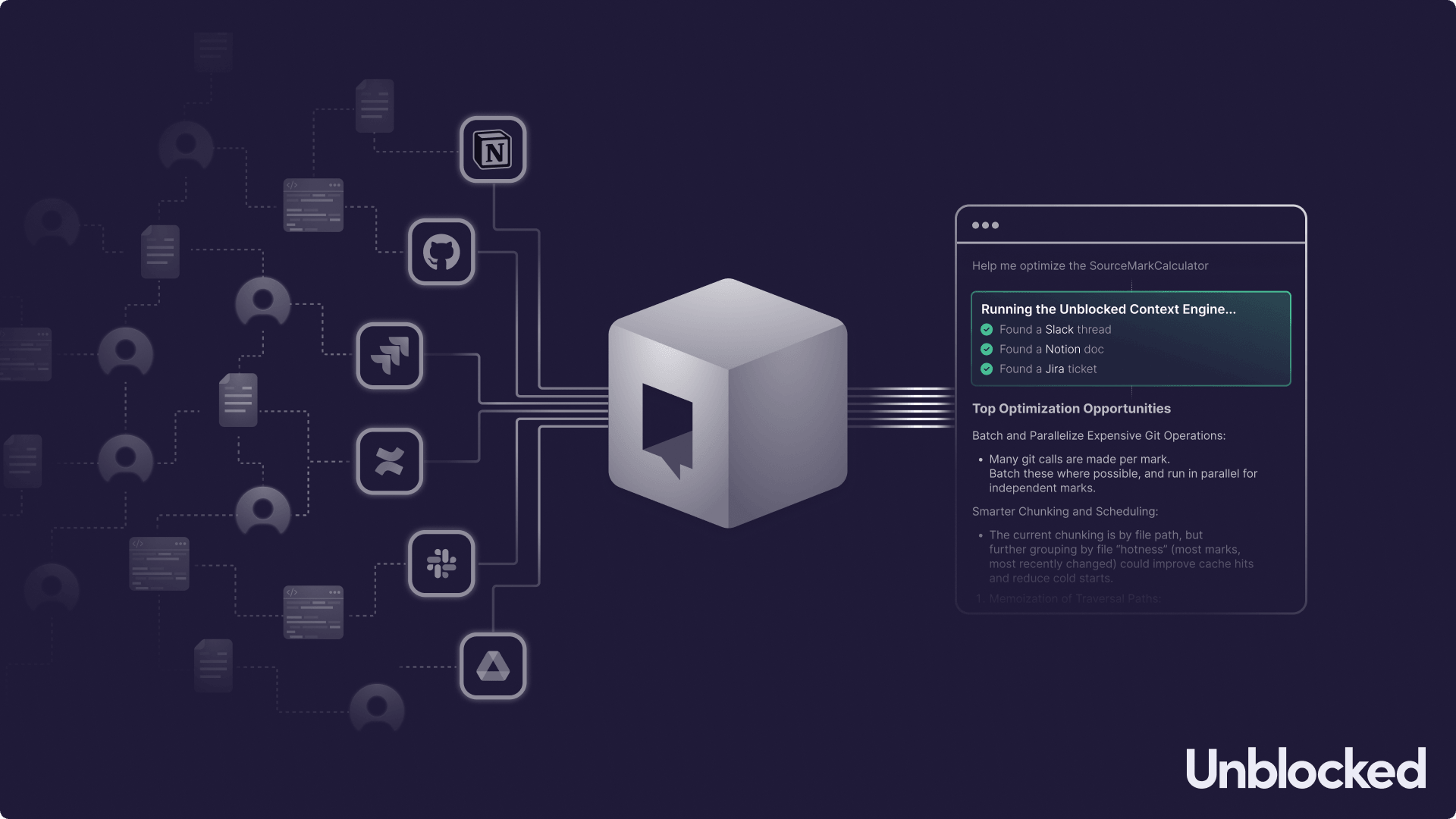
Context that saves you time and tokens
|
|
Stop babysitting your agents. Unblocked gives them the organizational context to generate mergeable code without the back and forth:
-
Pulls context from your code, PRs, discussions, planning tools and more
-
Resolves conflicts before they reach your agent
-
Delivers only what the task needs, cutting rework and token waste
|
|
|
|
partner with us
|
|
Top News
|
|
|
|
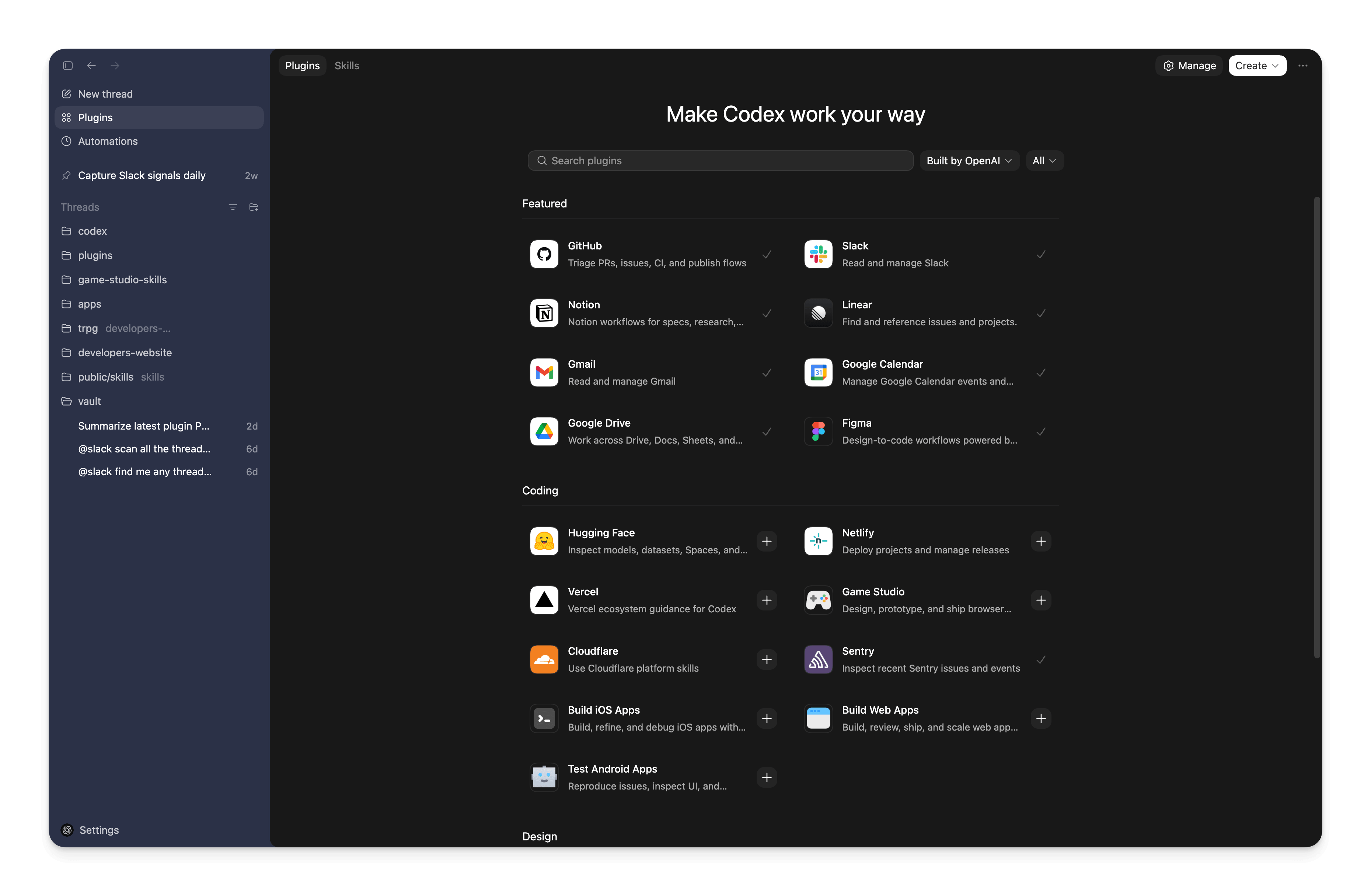
OpenAI introduces Codex plugins to connect coding workflows with Slack, Figma, Notion, and Gmail tools
|
|
4,125 Likes
|
|
OpenAI introduces plugins in Codex to connect coding tasks with tools like Slack, Figma, Notion, and Gmail.
Codex now runs tasks that include planning, research, and coordination before and after writing code. It solves the gap between code generation and real workflows that depend on multiple tools.
What it does
Plugins package workflows and tool access into reusable units.
- Bundle prompts (called skills) that define step-by-step task execution
- Include app integrations for direct access to external tools with authentication
- Add MCP servers, which expose remote tools or shared context to Codex
- Let Codex operate across tools like the Google Drive suite in one loop
Why it matters
Plugins move Codex beyond isolated coding tasks.
- Connect pre-code planning, coding, and post-code actions into one workflow
- Reduce manual switching between tools during multi-step tasks
- Standardize workflows across projects using shared plugin configurations
- Support real-world tasks that depend on files, messages, and documents
How to use it
You can install, run, and build plugins directly in Codex.
- Open plugin directory in the Codex app to install ready-made plugins
- Run /plugins in the CLI to browse and manage available plugins
- Use @plugin-creator to scaffold a plugin with a manifest file
- Add plugins to local or shared marketplaces for team-wide access
|
|
|
At Alpha Signal, our mission is to build a sharp, engaged community focused on AI, machine learning, and cutting-edge language models, helping over 200,000 developers stay informed and ahead. We’re passionate about curating the best in AI, from top research and trending technical blogs to expert insights and tailored job opportunities. We keep you connected to the breakthroughs and discussions that matter, so you can stay in the loop without endless searching. We also work closely with partners who value the future of AI, including employers and advertisers who want to reach an audience as passionate about AI as we are.
Our partnerships are based on shared values of ethics, responsibility, and a commitment to building a better world through technology.Privacy is a priority at Alpha Signal. Our Privacy Policy clearly explains how we collect, store, and use your personal and non-personal information. By using our website, you accept these terms, which you can review on our website. This policy applies across all Alpha Signal pages, outlining your rights and how to contact us if you want to adjust the use of your information. We’re based in the United States. By using our site, you agree to be governed by U.S. laws.
|
|
|
Looking to promote your company, product, service, or event to 250,000+ AI developers?
|
|
|
|
|
