|
Hey,
Your daily briefing is ready. You can finally take a break from the AI firehose.
Our algos spent the night splitting signal from noise and pulled the top news, models, papers, and repos.
Here’s the must-read:
|
|
Together with:
|

|
|

|
Today's Author
Lior Alexander. Founder of AlphaSignal and former ML Engineer.
Previously built ML systems at Iguazio, Guesty, Enphase, Mila.
|
|
Top News
|
|
|
|
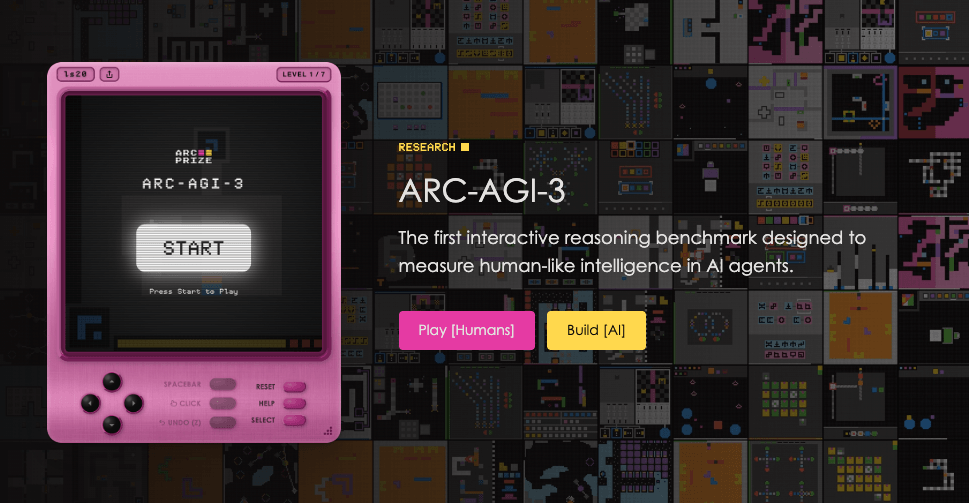
ARC Prize Foundation releases ARC-AGI-3, an interactive benchmark where agents learn rules and goals through exploration
|
|
3,484 Likes
|
|
ARC Prize Foundation released ARC-AGI-3, an interactive benchmark that measures how agents learn, not what they recall.
It places agents in unfamiliar, game-like environments with no instructions, so they must figure out rules, goals, and actions through trial and error.
Humans solve all tasks immediately, while top AI systems score under 1%, showing a gap in learning ability.
What it does
ARC-AGI-3 evaluates real-time learning inside environments instead of static problem solving.
- Uses 135 new environments designed to prevent memorization or dataset leakage
- Requires agents to explore, form hypotheses, and update strategies during execution
- Tests long-horizon planning where actions affect future outcomes over multiple steps
- Measures how quickly systems acquire useful skills from interaction, not training
What it reveals
Results show consistent limitations in current agent behavior.
- Models misinterpret tasks and apply patterns from unrelated prior experiences
- Systems fail to revise early assumptions when new evidence contradicts them
- Agents struggle to predict outcomes of action sequences before executing them
- Performance remains near zero despite strong results on other benchmarks
|
|
|
|
Presented by Oracle
|
|
Solving the “Illusion of Memory” in AI Agents
|
|
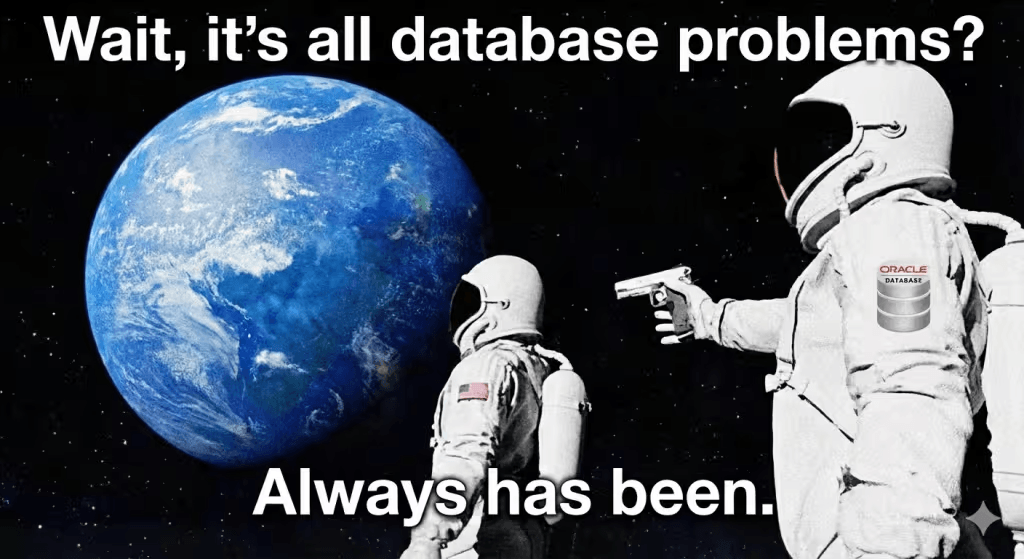
Building production AI agents at enterprise scale is fundamentally a database problem.
The “dealbreaker” in current designs is agents that forget users once a session ends. Relying on large context windows creates an “illusion of memory” that degrades before filling.
This technical deep dive explores:
-
Persistent, evolving state with vectors and graphs
-
ACID transactions in a converged engine
-
Code snippets & a GitHub notebook to get started
|
|
|
|
partner with us
|
|
Top News
|
|
|
|
Google adds section-level control in Lyria 3 Pro for coherent full-track music generation workflows
|
|
3,368 Likes
|
|
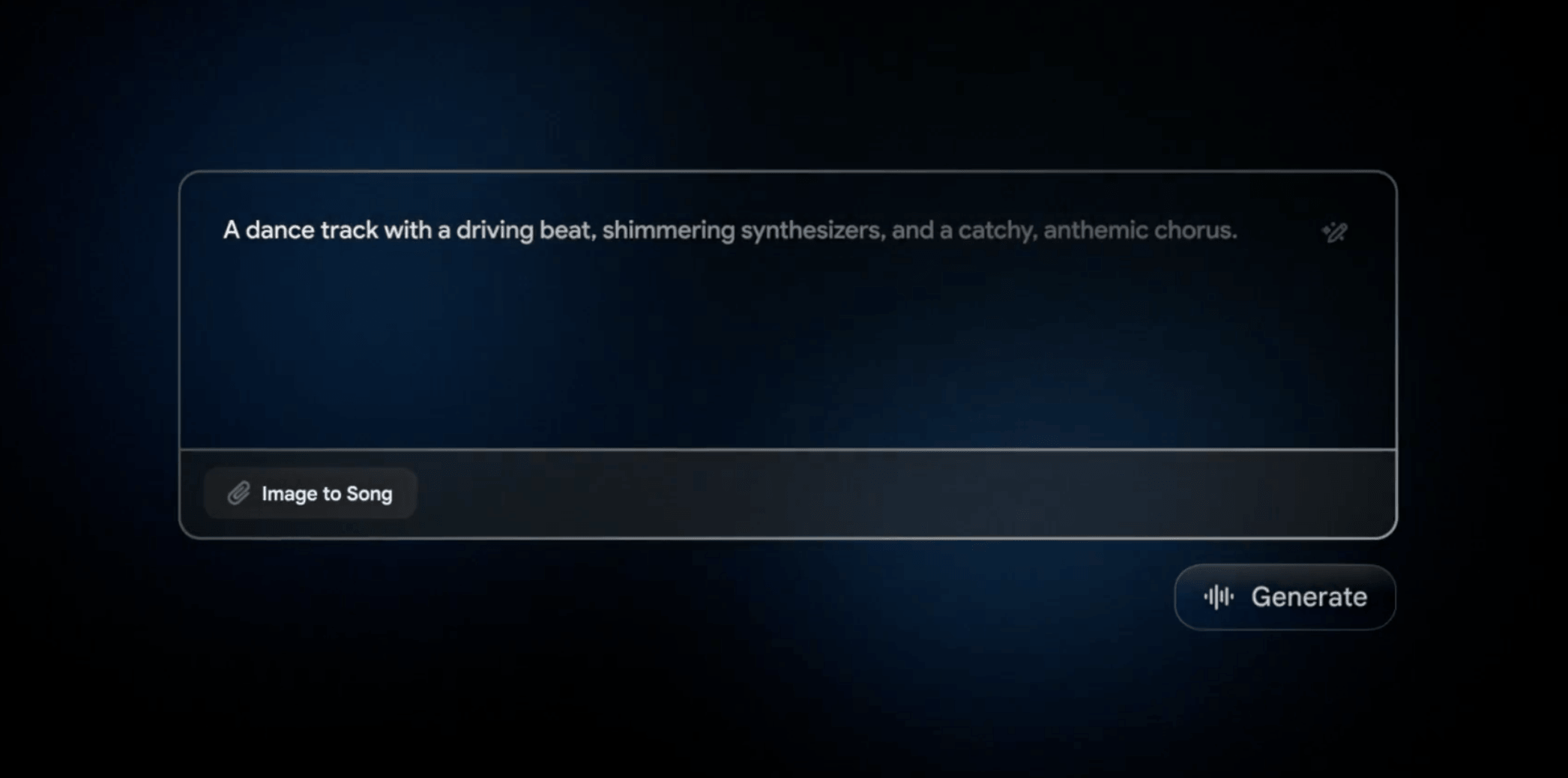
Lyria 3 Pro extends Google’s Lyria 3 music model to support full-track generation with explicit structure control. It generates tracks up to 3 minutes with prompts that define intros, verses, choruses, and bridges.
It solves the need to stitch multiple generations by letting you define song structure directly.
KeyFeatures
-
Generate up to 3-minute tracks with consistent structure across all sections
-
Prompt song layout explicitly, like intro → verse → chorus → bridge
-
Maintain continuity across transitions instead of producing disconnected audio segments
-
Accept text prompts that describe style, structure, and musical elements
How to Use
-
Call Gemini API with structured prompts to generate audio outputs
-
Deploy via Vertex AI for scalable production workloads
-
Prototype inside Google AI Studio before integrating into your stack
-
Attach generated music in tools like Google Vids or backend pipelines
|
|
|
|
Presented by Bright Data
|
|
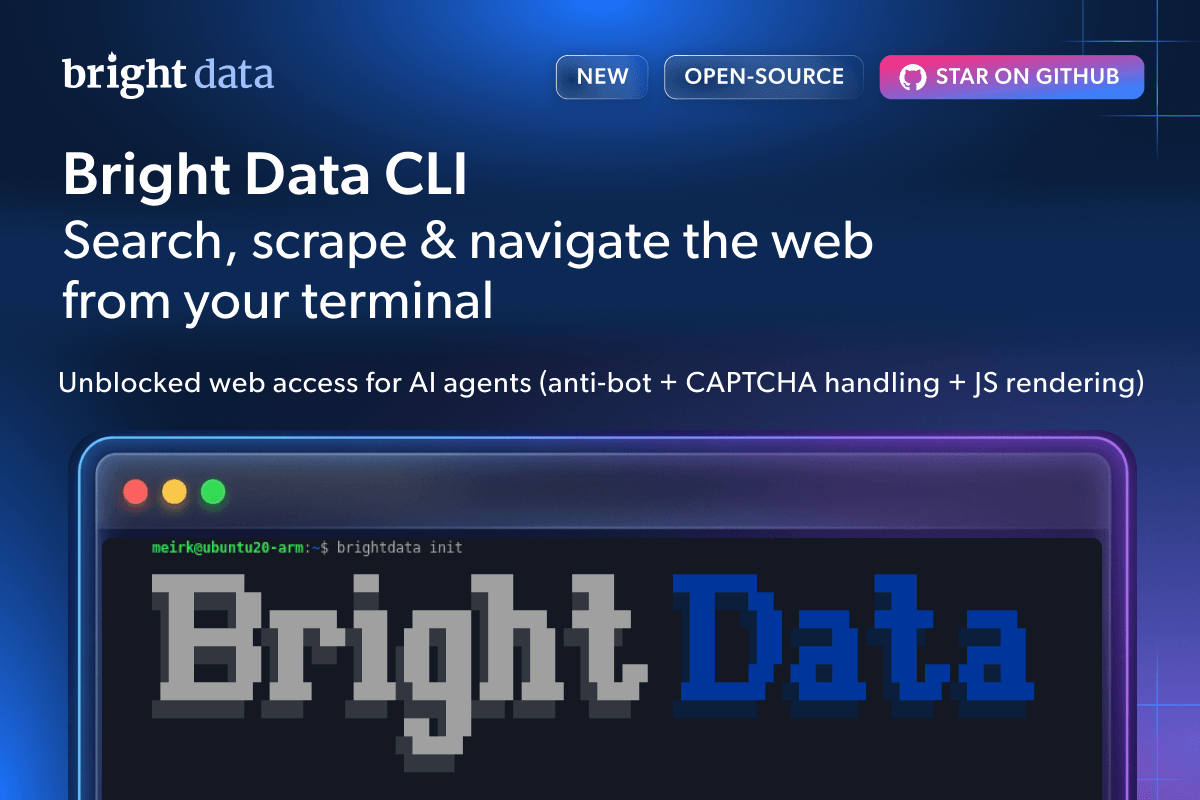
The CLI That Lets AI Agents Browse Anything
|
|
Open-source CLI with anti-bot bypass, CAPTCHA solving, and JS rendering built in.
One command returns clean markdown, JSON, or screenshots.
40+ data pipelines for LinkedIn, Reddit, X & more - plus skills for Claude Code & Cursor.
|
|
|
|
partner with us
|
|
Top News
|
|
|
|
Cursor now lets you run cloud agents inside your own infrastructure instead of Cursor-managed environments
|
|
1,727 Likes
|
|
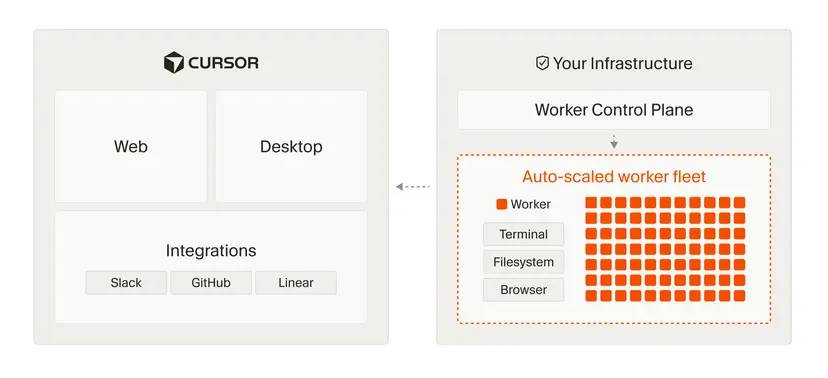
This update targets teams that cannot move code, secrets, or build artifacts outside internal networks due to security rules. You still use Cursor’s agent system, but execution happens on your machines, not theirs.
Agents act like remote developers with their own isolated environments. Each agent can clone your repo, install dependencies, write code, run tests, and push changes for review.
Cursor handles planning and model inference, while your local workers execute the steps.
Key features
- Runs agents inside your network; code, secrets, and artifacts never leave infrastructure
- Uses outbound HTTPS only; no inbound ports, VPNs, or firewall changes required
- Supports parallel agents with isolated environments for independent task execution
- Provides Kubernetes support, worker pools, and autoscaling via deployment configs
- Includes plugins, subagents, and multi-model support within the same agent system
|
|
|
At Alpha Signal, our mission is to build a sharp, engaged community focused on AI, machine learning, and cutting-edge language models, helping over 200,000 developers stay informed and ahead. We’re passionate about curating the best in AI, from top research and trending technical blogs to expert insights and tailored job opportunities. We keep you connected to the breakthroughs and discussions that matter, so you can stay in the loop without endless searching. We also work closely with partners who value the future of AI, including employers and advertisers who want to reach an audience as passionate about AI as we are.
Our partnerships are based on shared values of ethics, responsibility, and a commitment to building a better world through technology.Privacy is a priority at Alpha Signal. Our Privacy Policy clearly explains how we collect, store, and use your personal and non-personal information. By using our website, you accept these terms, which you can review on our website. This policy applies across all Alpha Signal pages, outlining your rights and how to contact us if you want to adjust the use of your information. We’re based in the United States. By using our site, you agree to be governed by U.S. laws.
|
|
|
Looking to promote your company, product, service, or event to 250,000+ AI developers?
|
|
|
|
|
