|
Hey,
Your daily briefing is ready. You can finally take a break from the AI firehose.
Our algos spent the night splitting signal from noise and pulled the top news, models, papers, and repos.
Here’s the must-read:
|
|
Together with:
|

|
|

|
Today's Author
Lior Alexander. Founder of AlphaSignal and former ML Engineer.
Previously built ML systems at Iguazio, Guesty, Enphase, Mila.
|
|
Top News
|
|
|
|
Anthropic expands Claude context window to 1M tokens and raises multimodal limit to 600 images
|
|
25,394 Likes
|
|
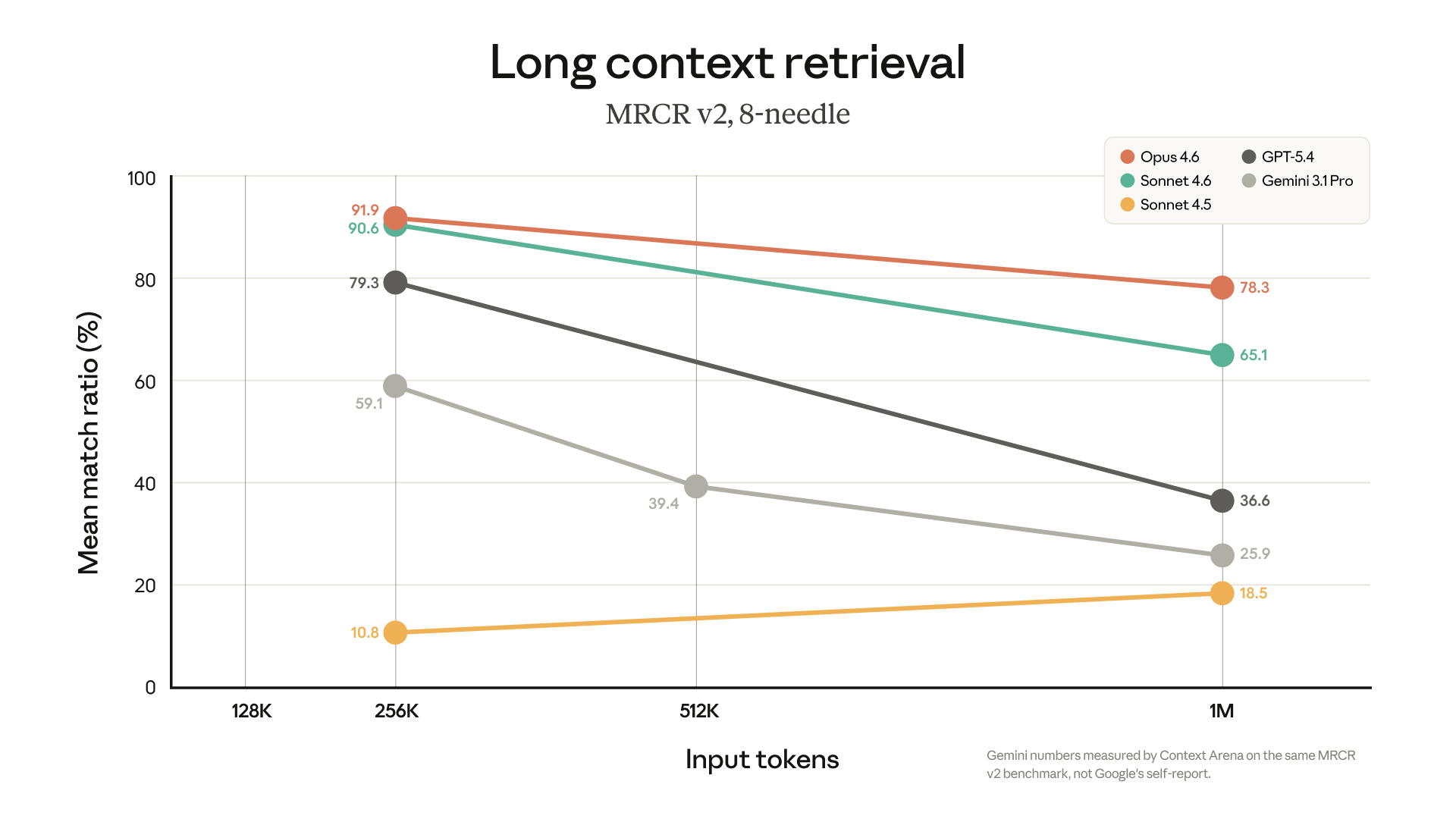
Anthropic makes the 1 million token context window generally available for Claude Opus 4.6 and Claude Sonnet 4.6 across its platform and developer tools.
The update removes the long-context pricing multiplier and applies the same per-token rate across the entire window. You can now send extremely large prompts without changing API calls.
Keyfeatures
-
1M token context window, allowing entire codebases, long chats, or large datasets in one prompt.
-
Standard token pricing across the full window with no long-context premium applied.
-
Up to 600 images or PDF pages allowed in a single multimodal request.
-
No beta headers required; requests above 200K tokens run automatically.
Evaluations
-
Opus 4.6 scores 78.3% on MRCR v2, which measures recall of hidden details in long documents.
-
Sonnet 4.6 scores 68.4% on GraphWalks BFS, testing reasoning across facts spread through large contexts.
Availability
-
Opus 4.6 with full 1M context runs as the default model in ClaudeCode.
-
Available to Max, Team, and Enterprise plan users with no configuration required.
-
Opus 4.6 pricing: $5 input and $25 output per million tokens.
-
Sonnet 4.6 pricing: $3 input and $15 output per million tokens.
|
|
|
|
Presented by Sonar
|
|
The hidden reality of AI-driven development
|
|
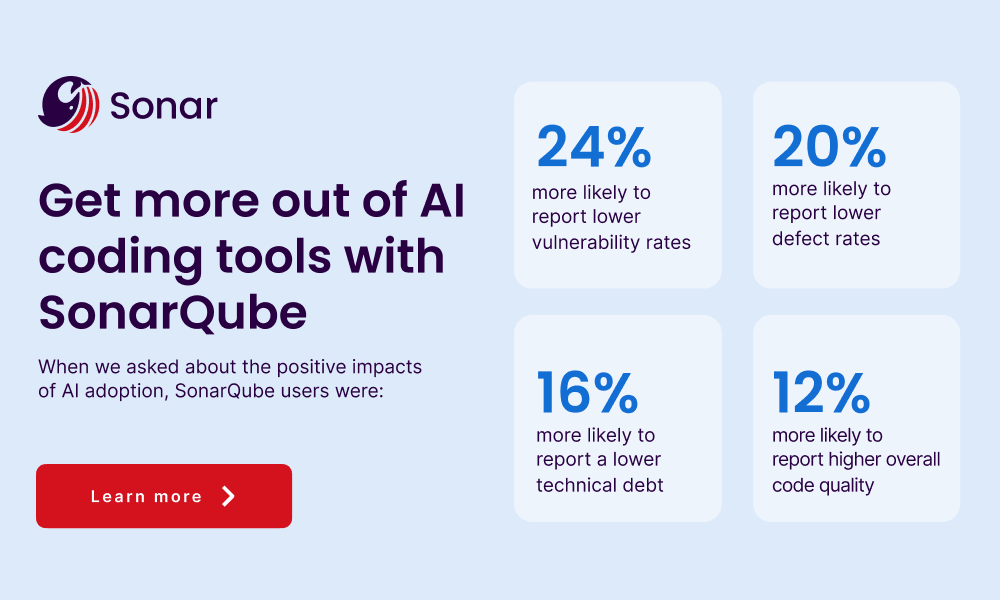
There is a new "velocity tax" in software development. As AI adoption grows, your teams aren't necessarily working less - they are spending 25% of their week fixing and securing AI-generated code.
This hidden cost creates a verification bottleneck that stalls innovation.
Sonar provides the automated, trusted analysis needed to bridge the gap between AI speed and production-grade quality.
|
|
|
|
partner with us
|
|
Top Paper
|
|
|
|
Moonshot AI introduces Attention Residuals, letting transformer layers look back at earlier layers instead of adding everything
|
|
6,528 Likes
|
|
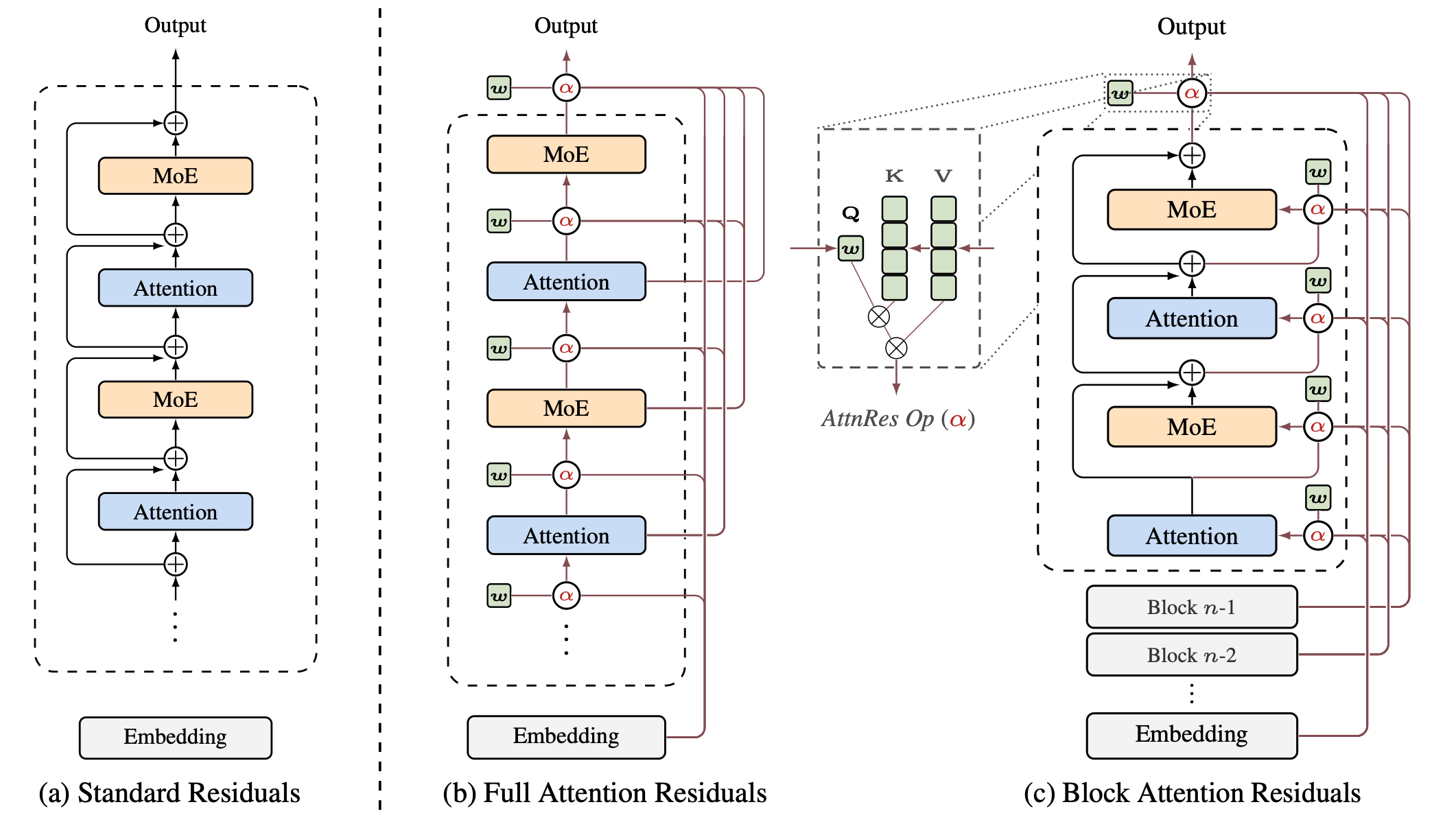
Moonshot AI presents Attention Residuals (AttnRes), a method that changes how deep neural networks combine information across layers.
Most transformer models rely on residual connections that simply add each layer’s output to the previous one. That design works well, but it treats every past layer equally and causes hidden states to grow larger as depth increases.
The team reframes depth as a form of attention. Instead of blindly adding layer outputs, AttnRes lets each layer look back and choose which earlier representations to use.
The method turns depth aggregation into a small attention mechanism over previous layers. Experiments show models with AttnRes reach the same training loss using 1.25× less compute than baseline models.
Key features
-
Replaces fixed residual rule with softmax attention across earlier layer outputs.
-
Uses a learnable pseudo-query vector to compute attention weights over previous layers.
-
Introduces Block AttnRes, which groups layers and attends to compressed block summaries.
-
Reduces memory cost from O(Ld) to O(Nd) during cross-layer attention.
|
|
|
|
Top News
|
|
|
|
Z.ai launches GLM-5-Turbo and ZClawBench to evaluate models across real OpenClaw agent execution tasks
|
|
2,591 Likes
|
|
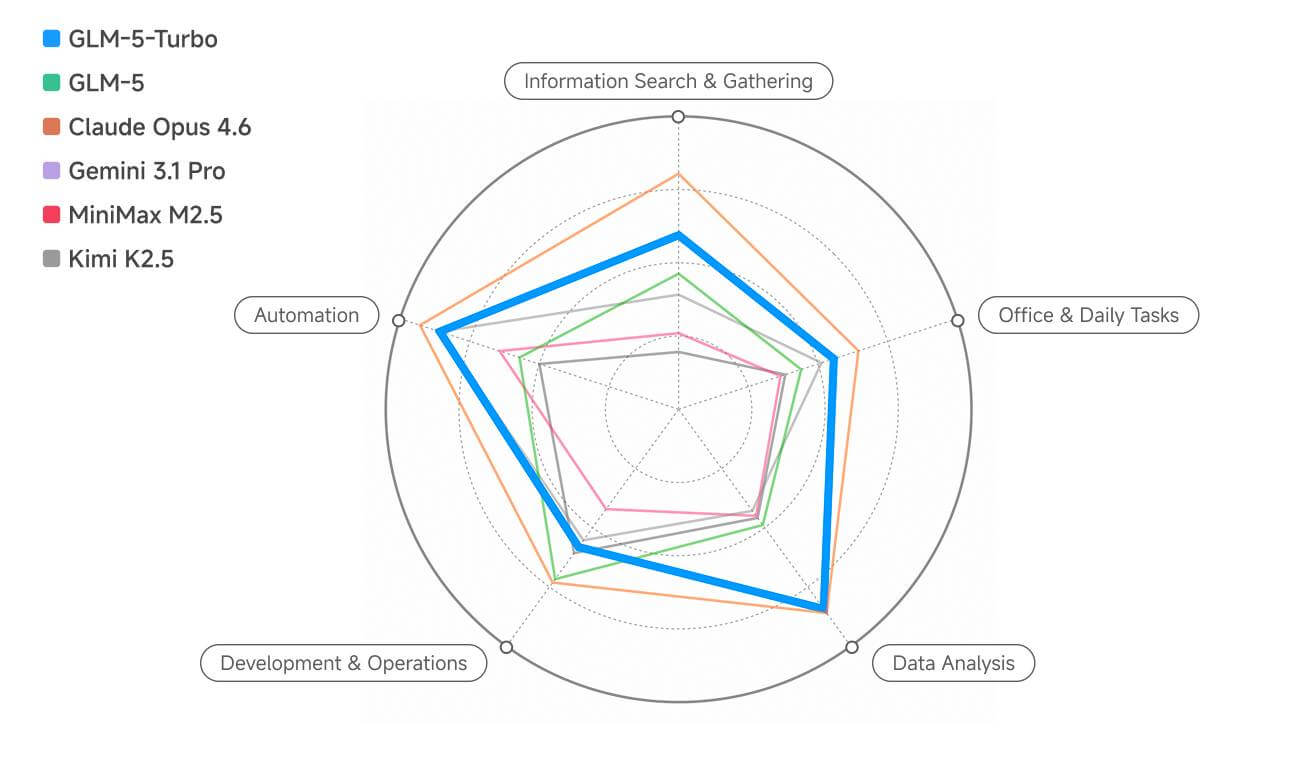
Z.ai introduces GLM-5-Turbo, a high-speed variant of GLM-5 designed for agent environments such as OpenClaw.
Instead of focusing on chat, the model targets systems where AI plans steps, calls tools, and completes multi-step tasks automatically. It trains on real agent workflows so the model can break complex instructions into smaller actions and execute them reliably.
The release also introduces ZClawBench, a benchmark designed to evaluate OpenClaw-style agent workflows. It measures end-to-end task execution across coding, environment setup, retrieval, and data analysis scenarios.
Keyfeatures
-
200K context window stores long instructions, codebases, and multi-step task plans.
-
128K output tokens allow large structured responses from complex workflows.
-
Function calling connects the model to external tools and automation systems.
-
Structured outputs like JSON support integration with software pipelines and services.
-
Context caching stores repeated prompts to reduce compute during long sessions.
Availability
-
Pro users receive GLM-5-Turbo during the March 2026 rollout.
-
Lite users receive GLM-5 in March and GLM-5-Turbo access in April.
-
Early access is available through a Z.ai application form.
-
You can access the model through the Z.ai API or OpenRouter routing.
- ZClawBench dataset and full evaluation trajectories are publicly available.
|
|
|
At Alpha Signal, our mission is to build a sharp, engaged community focused on AI, machine learning, and cutting-edge language models, helping over 200,000 developers stay informed and ahead. We’re passionate about curating the best in AI, from top research and trending technical blogs to expert insights and tailored job opportunities. We keep you connected to the breakthroughs and discussions that matter, so you can stay in the loop without endless searching. We also work closely with partners who value the future of AI, including employers and advertisers who want to reach an audience as passionate about AI as we are.
Our partnerships are based on shared values of ethics, responsibility, and a commitment to building a better world through technology.Privacy is a priority at Alpha Signal. Our Privacy Policy clearly explains how we collect, store, and use your personal and non-personal information. By using our website, you accept these terms, which you can review on our website. This policy applies across all Alpha Signal pages, outlining your rights and how to contact us if you want to adjust the use of your information. We’re based in the United States. By using our site, you agree to be governed by U.S. laws.
|
|
|
Looking to promote your company, product, service, or event to 250,000+ AI developers?
|
|
|
|
|
