|
Hey,
Your daily briefing is ready. You can finally take a break from the AI firehose.
Our algos spent the night splitting signal from noise and pulled the top news, models, papers, and repos.
Here’s the must-read:
|
|
Together with:
|
|
|

|
Today's Author
Lior Alexander. Founder of AlphaSignal and former ML Engineer.
Previously built ML systems at Iguazio, Guesty, Enphase, Mila.
|
|
Top Repo
|
|
|
|
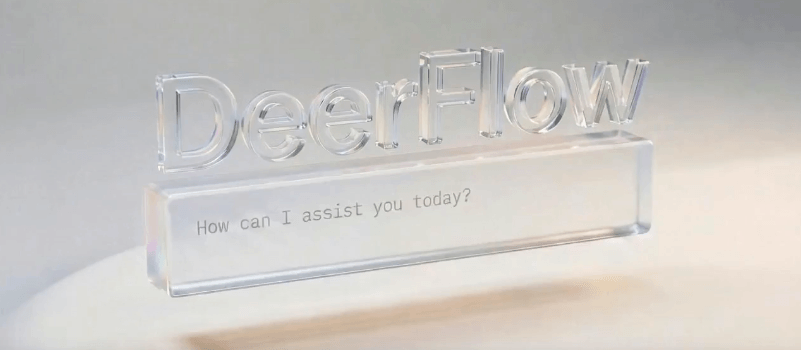
ByteDance releases DeerFlow 2.0, an open-source system where each AI agent runs tasks in its own isolated environment
|
|
6,468 Likes
|
|
DeerFlow 2.0 is a multi-agent framework that lets you run complex workflows through coordinated agents instead of one overloaded model. It solves shared-context issues by isolating each agent with its own memory, tools, and execution environment.
You give one prompt, and the system plans, executes, and returns a complete result.
What it does
You send a task, and a lead agent breaks it into steps. Sub-agents handle each step in parallel, then return structured outputs that get merged.
- Lead agent decomposes tasks and assigns scoped work to sub-agents
- Sub-agents run independently with isolated context and tool access
- Docker sandbox provides filesystem, bash execution, and code runtime
- Skills load on demand, defined as simple Markdown workflows
How to use it
You clone the repo, configure API keys, and run via Docker or locally.
- Supports GPT, Claude, Gemini, DeepSeek through OpenAI-compatible APIs
- Requires models with tool-calling and long context for multi-step tasks
- Add custom tools via MCP servers or Python functions
- Use built-in skills for research, reports, slides, and web generation
|
|
|
|
Presented by Bright Data
|
|
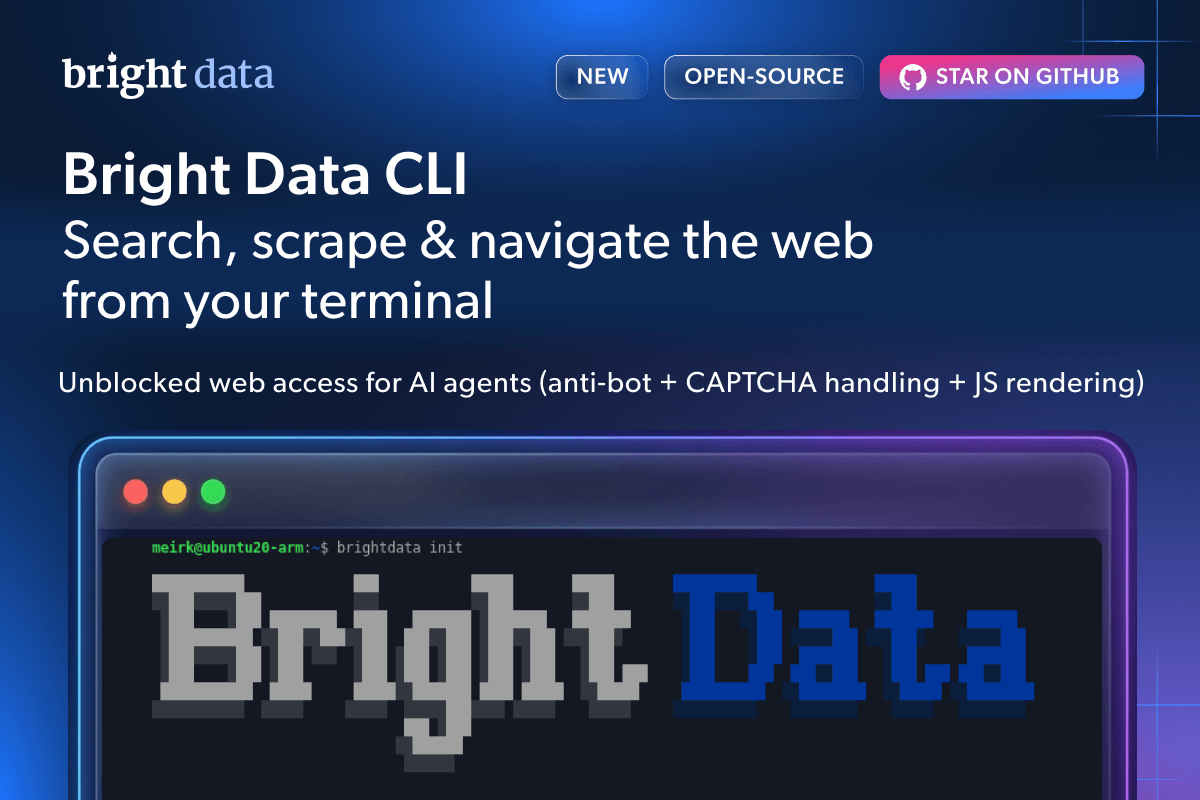
One CLI to Scrape, Search & Screenshot Any URL
|
|
The Open-source CLI that gives AI coding agents full web access without getting blocked:
-
One command returns clean markdown, JSON, or screenshots from any URL
-
Anti-bot bypass, CAPTCHA solving, and JS rendering handled automatically
-
Includes web search and 40+ ready-made data pipelines (LinkedIn, Reddit, X, etc.)
-
Works in CI, shell scripts, and as MCP tool
-
Includes skills for Claude Code, Cursor, and other AI agents
|
|
|
|
partner with us
|
|
Top Paper
|
|
|
|
Meta publishes V-JEPA 2.1 that predicts every part of video for better understanding of scenes
|
|
3,621 Likes
|
|
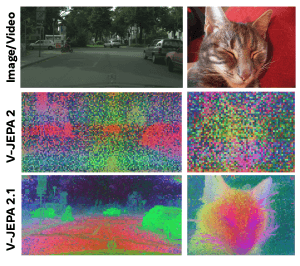
Yann LeCun and team introduce V-JEPA 2.1, a self-supervised model for images and videos. It predicts every patch across frames and multiple layers instead of only masked regions.
This change improves how the model understands what is where over time, with a +20 point increase in robotic grasp success rate.
What changed
The model shifts from partial prediction to full-scene learning.
- Predicts every patch, not just masked ones, improving spatial coverage across frames
- Applies supervision at multiple layers, not only final outputs, improving feature depth
- Uses shared tokenization for images and videos, enabling one unified training pipeline
How it works
The model learns representations without labels using prediction in latent space.
- Convert frames into patch tokens and mask parts of the input sequence
- Predict latent features for all tokens instead of reconstructing pixels directly
- Apply loss across all tokens and intermediate layers for stronger supervision
|
|
|
|
Presented by Lambda
|
|
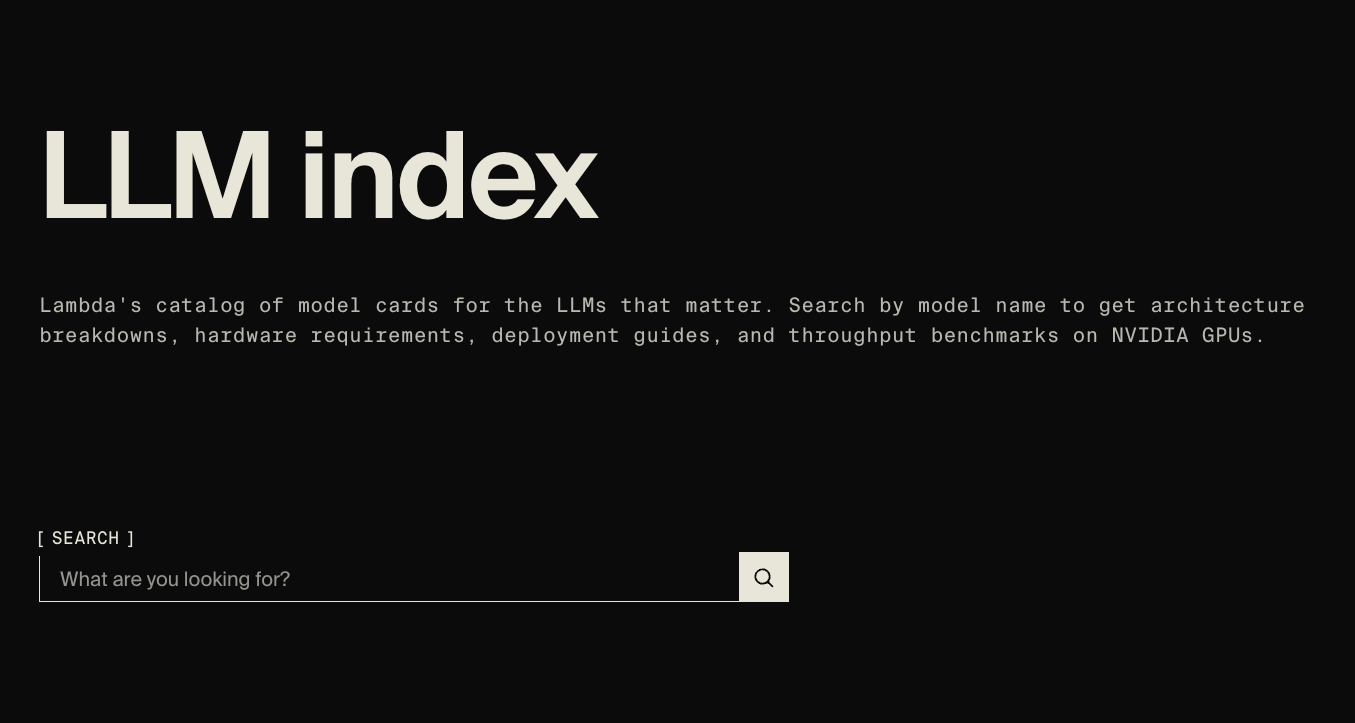
Open-weight arrivals: Lambda's benchmark results
|
|
Lambda model cards are single-page reports built around the metrics that matter in production.
Each card includes:
-
Model overview and specs
-
Throughput and latency numbers on NVIDIA A100, H100, and B200 GPUs
-
Side-by-side comparisons for vLLM and SGLang
-
Launch commands and benchmark scripts to reproduce results on your cluster
|
|
|
|
partner with us
|
|
Top News
|
|
|
|
OpenAI adds container pooling to Responses API, reusing environments and reducing setup latency for agent workflows
|
|
2,148 Likes
|
|
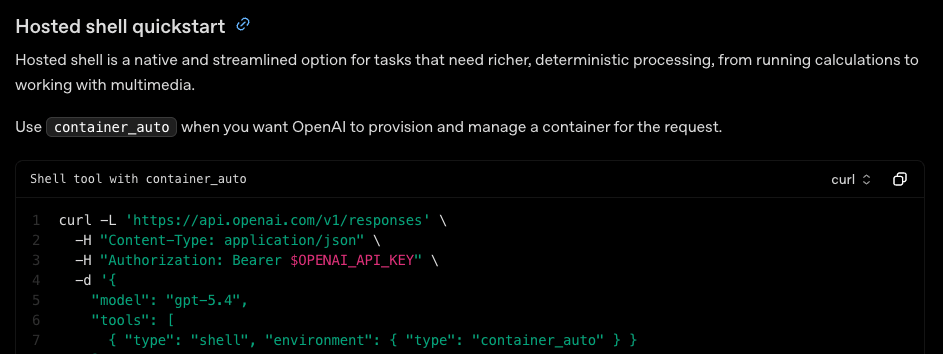
OpenAI updates the Responses API with container pooling, which reuses execution environments across requests. Instead of starting a new container each time, the system routes work to an existing one.
This cuts setup time by about 10x and keeps workflows moving without repeated initialization.
What it does
Reuses a running container so tools execute without rebuilding the environment each time.
- A container is a lightweight runtime with preinstalled languages and tools
- Requests reuse this runtime instead of creating a new one for every step
- The environment stays active briefly, then expires after inactivity
Key features
Focuses on reducing repeated setup and maintaining continuity across steps.
- Reuses warm containers, removing repeated environment startup across agent tool calls
- Supports shell, code interpreter, and skills in the same running environment
- Keeps files so later steps can access earlier outputs
- Runs on a Debian-based system with Python, Node.js, Java, and more
|
|
|
At Alpha Signal, our mission is to build a sharp, engaged community focused on AI, machine learning, and cutting-edge language models, helping over 200,000 developers stay informed and ahead. We’re passionate about curating the best in AI, from top research and trending technical blogs to expert insights and tailored job opportunities. We keep you connected to the breakthroughs and discussions that matter, so you can stay in the loop without endless searching. We also work closely with partners who value the future of AI, including employers and advertisers who want to reach an audience as passionate about AI as we are.
Our partnerships are based on shared values of ethics, responsibility, and a commitment to building a better world through technology.Privacy is a priority at Alpha Signal. Our Privacy Policy clearly explains how we collect, store, and use your personal and non-personal information. By using our website, you accept these terms, which you can review on our website. This policy applies across all Alpha Signal pages, outlining your rights and how to contact us if you want to adjust the use of your information. We’re based in the United States. By using our site, you agree to be governed by U.S. laws.
|
|
|
Looking to promote your company, product, service, or event to 250,000+ AI developers?
|
|
|
|
|
